

19 Sep 2026 · 8 min read
Eating Through San Diego's Convoy District in 2026
A cuisine-by-cuisine guide to Convoy District: ramen, Korean BBQ, Sichuan food, bubble tea, and how to plan a multi-stop food crawl.
San Diego Convoy District Korean BBQ20 September 2026 · 9 min read
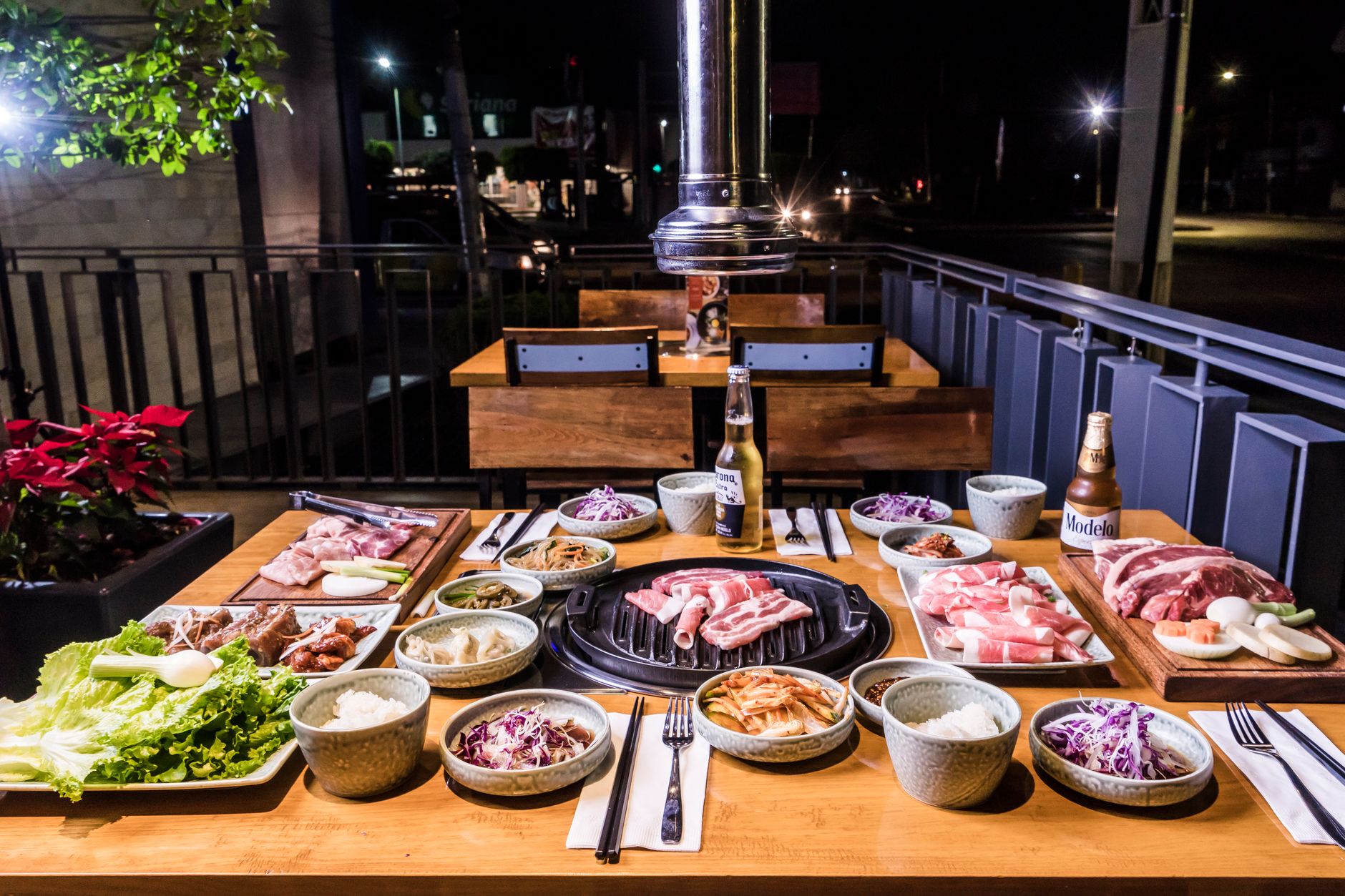
Korean BBQ is one of the few restaurant meals in Los Angeles where the menu format changes the bill more than the food does. Order the same short rib at an all-you-can-eat (AYCE) spot and an à la carte spot in Koreatown, and the two receipts for a table of four can look nothing alike. Neither one is a bad deal — they're just built around different math, and knowing which math applies before you sit down is the difference between a $35-a-head night and a $70-a-head night.
This guide breaks down what actually drives the cost of a Korean BBQ dinner for four in and around Koreatown, using real menu structures from listings in the directory, plus what to budget for on top of the food itself: tax, tip, drinks, and parking.
Koreatown is the obvious place to work this out because it has one of the densest clusters of Korean BBQ restaurants in the directory — dozens of rooms packed along Western Avenue, Wilshire Boulevard, and the side streets around 6th and 8th. That density is useful for comparison shopping: you can genuinely walk from one restaurant to another, check what's posted at the host stand, and pick based on current pricing rather than guessing from memory of a visit months ago.
Most Koreatown Korean BBQ restaurants fall into one of two pricing models.
All-you-can-eat (AYCE) restaurants charge a flat rate per person for a set time window — usually 90 minutes to two hours — and let the table order unlimited rounds of meat, banchan (side dishes), and often soup or rice from a fixed menu. Some AYCE places have two or three tiers (a base tier and a premium tier with better cuts like brisket or marinated short rib), and the premium tier costs more per person. Kids and sometimes seniors are often priced lower, and there's usually a per-person minimum — you can't order for two people and split it four ways.
Korean BBQ · Los Angeles, California
Interestingly, not every restaurant with "AYCE" in its name actually runs the flat-rate model. Bak Kung's own posted menu, for example, lists individual dish prices ranging from about $6 to $74 rather than a per-person buffet rate — worth checking before you assume a flat price applies. The lesson: always confirm the pricing model on the restaurant's own menu or by calling ahead, since names can be a leftover from a previous concept or simply a style descriptor rather than a literal AYCE deal.
A handful of factors move the bill more than anything else:
Group size affects more than the bill — it affects whether you'll be seated quickly. A table of four is the sweet spot for most Koreatown Korean BBQ rooms: large enough to justify the grill setup (some restaurants have a minimum party size for AYCE, commonly two people), small enough that you're not waiting for one of the handful of six-plus tops.
Friday and Saturday dinner hours are the busiest windows across the neighborhood, and popular AYCE rooms — the ones with thousands of reviews, like several listed in this guide — commonly run a wait without a reservation during peak hours. If the restaurant takes reservations, booking a day or two ahead for a weekend table of four is a reasonable habit; if it's walk-in only, arriving right at opening or in the gap between lunch and dinner (roughly 2–5 p.m.) tends to mean a shorter wait. Policies on reservations, walk-in seating, and whether there's a time limit even outside of AYCE service vary restaurant to restaurant, so it's worth checking the listing's phone number or website before you head over, especially for a group of four or more.
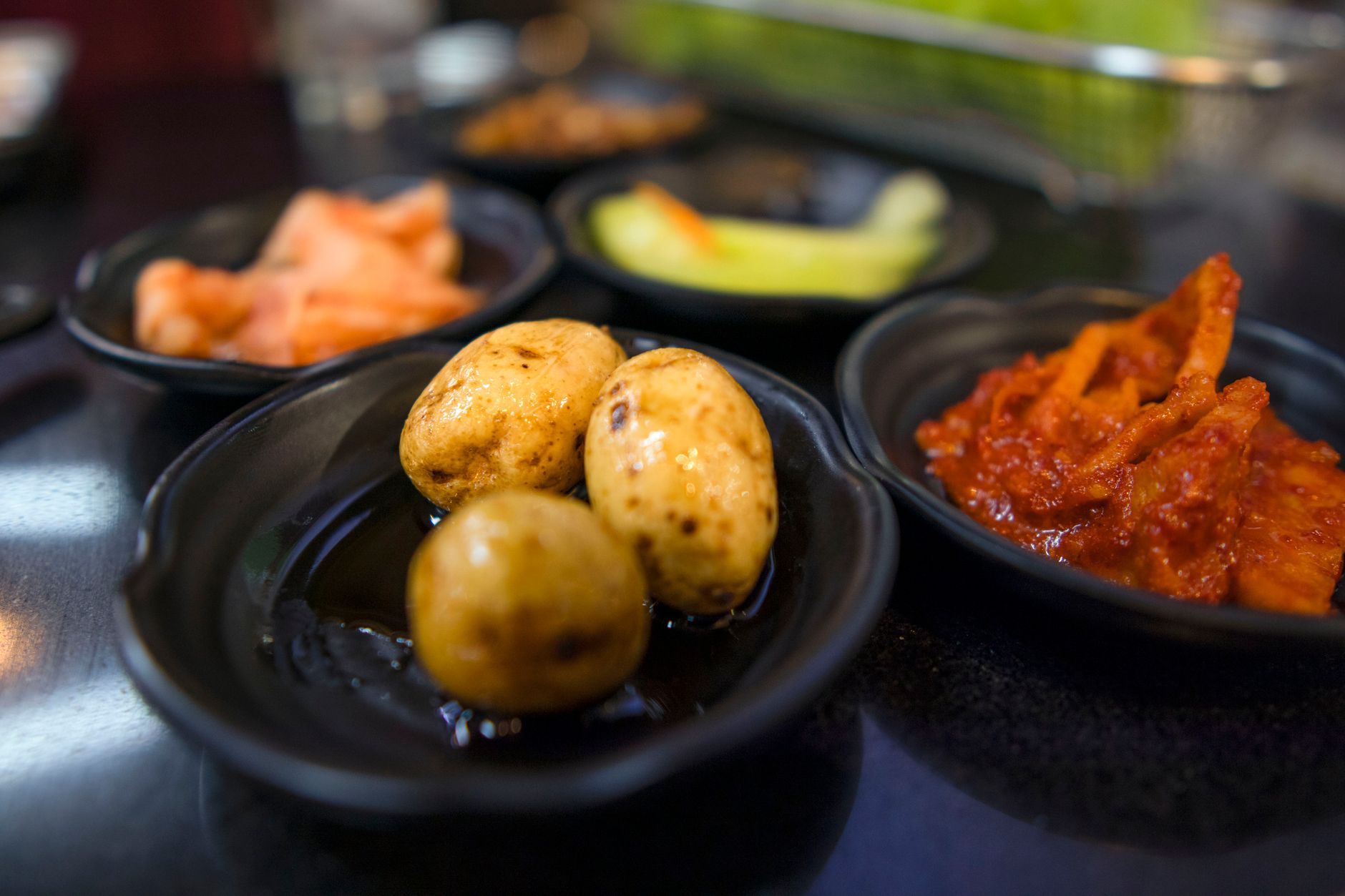
The listed menu or per-person rate is rarely the whole story. Budget for:
| AYCE | À la carte | |
|---|---|---|
| Pricing structure | Flat rate per person, time-limited | Priced per dish, no time limit |
| Best for | Big appetites, groups of 3+ | Small groups, selective orderers |
| Tiers | Often 2-3 tiers by cut quality | N/A — order exactly what you want |
| Drinks & premium sides | Usually extra | Usually extra |
| Overordering risk | Low — it's included | High — dishes add up fast |
| Underordering risk | You still pay full rate | N/A |
| Good fit for a table of four | Yes, if everyone eats a lot | Yes, if you want to control the total |
Koreatown has one of the densest concentrations of Korean BBQ in the directory, which makes it a useful place to see both pricing models side by side. A few standouts by review volume and rating:
Korean BBQ · Los Angeles, California
Quarters is one of the most-reviewed AYCE rooms in the neighborhood, with a two-tier structure that's typical of the category — a base tier and a premium tier with better cuts.
Korean BBQ · Los Angeles, California
MOOHAN runs a similar AYCE format with a strong rating across a large review base, making it a reliable comparison point for tier pricing and refill policy.
Korean BBQ · Los Angeles, California
Soowon Galbi is an à la carte Korean restaurant rather than an AYCE room, so it's a good example of ordering exactly what you want — useful for smaller groups or anyone who doesn't want to commit to a big flat-rate meal.
Korean BBQ · Los Angeles, California
Korean BBQ · Los Angeles, California
Both ORIGIN and Jin Ju sit in the same stretch of West 6th and Western, making it realistic to walk between a few options and compare posted pricing or menus in person before committing to one.
Checking each restaurant's current menu or calling ahead is the most reliable way to know exactly what a given night will cost, since AYCE tiers, lunch specials, and add-on prices change over time and aren't something this directory tracks in real time.

Koreatown and the surrounding blocks also have a strong bubble tea scene, and it's common to end a Korean BBQ dinner with a drink from a nearby shop rather than ordering dessert at the restaurant.
Bubble Tea · Los Angeles, California
It's Boba Time on Vermont Avenue sits close to several of the AYCE rooms listed above, making it an easy add-on stop after dinner. A round of bubble tea for four is a modest add to the night's total compared to the meal itself, but it's still worth factoring in if you're estimating a full outing rather than just the restaurant bill.
You can browse the full list of Korean BBQ restaurants at /c/korean-bbq/california/los-angeles and bubble tea shops at /c/bubble-tea/california/los-angeles, or see everything listed in the city at /us/california/los-angeles.
If you've priced out a hot pot night or a dim sum brunch for the same size group elsewhere in the directory, the underlying logic here will feel familiar. Hot pot restaurants often run a similar flat-rate-per-person model to AYCE Korean BBQ, built around the same idea: a shared cooking format works best when the whole table commits to one pricing structure rather than splitting an à la carte order unevenly. Dim sum, by contrast, is closer to the à la carte Korean BBQ model — you're charged per dish or per cart item, so the bill scales with how much (and how extravagantly) the table orders, not with a flat per-person rate.
The practical takeaway carries over directly: for any shared-format meal — hot pot, dim sum, or Korean BBQ — ask which pricing model a restaurant uses before you sit down, not after the first round of dishes arrives. A quick question to the host or a glance at the posted menu tells you whether you're walking into a flat-rate night or a per-dish one, and that's the single biggest lever on what a table of four actually pays.
Korean BBQ doesn't travel the same way it's eaten in the restaurant — the tabletop grill is the point — but some Koreatown spots do offer takeout marinated meat and banchan for people who want to grill at home, and a few list delivery through third-party apps.
If you go the delivery route, budget for the delivery platform's service fee, delivery fee, and a separate tip on top of the food cost — these are set by the app, not the restaurant, and change often, so check current fees in the app before ordering rather than assuming they match dine-in pricing. Takeout ordered directly from the restaurant avoids the platform fees but obviously skips the tabletop-grilling experience that's the main reason people go out for Korean BBQ in the first place.
For a table of four in Koreatown, the single biggest decision isn't which restaurant — it's AYCE or à la carte. Big appetites and a group that wants to keep ordering rounds of meat generally come out ahead on a two-hour AYCE tier; smaller groups or picky eaters usually spend less ordering exactly what they want à la carte. Either way, tax, tip, drinks, and parking are separate from whatever price is posted on the menu, so build those into your estimate before you go — and when in doubt, check the restaurant's current menu or call ahead, since AYCE tiers and lunch specials are the parts of the bill most likely to have changed since your last visit.
19 Sep 2026 · 8 min read
A cuisine-by-cuisine guide to Convoy District: ramen, Korean BBQ, Sichuan food, bubble tea, and how to plan a multi-stop food crawl.
San Diego Convoy District Korean BBQ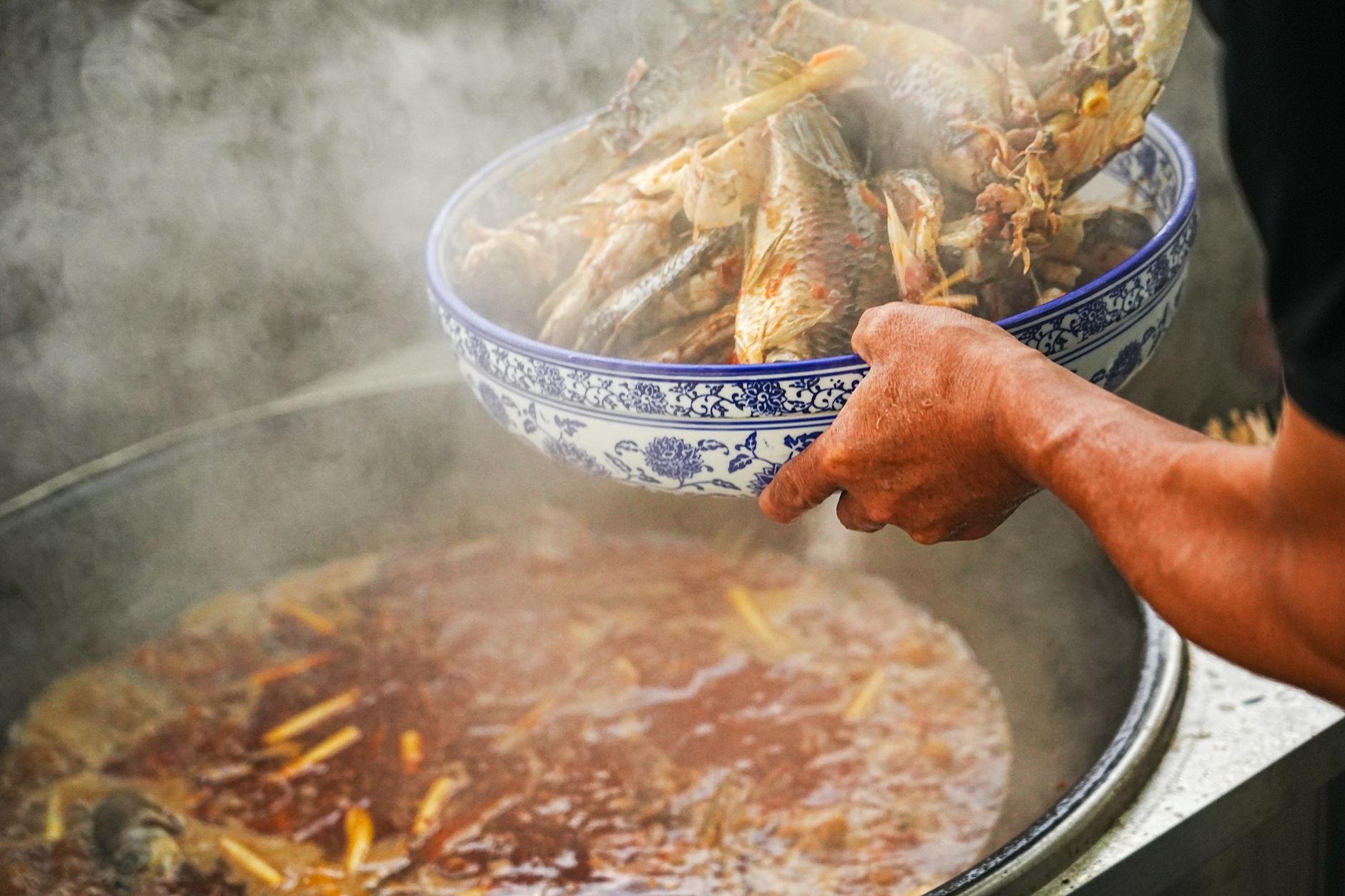
18 Sep 2026 · 9 min read
A practical LA guide to hosting hot pot at home: what to buy, where to shop, and when it is easier to book a table instead.
hot pot Los Angeles how-to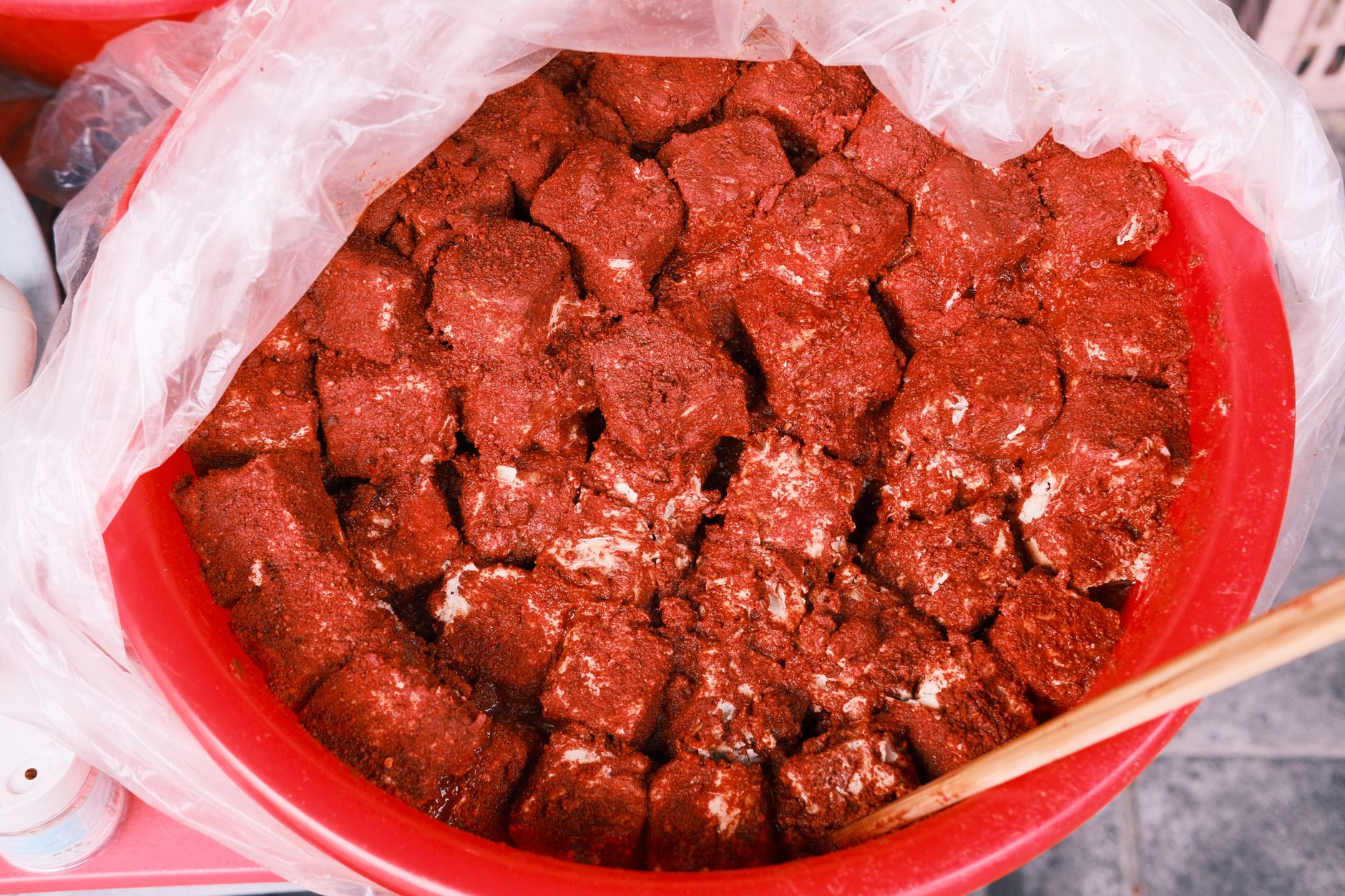
17 Sep 2026 · 8 min read
What actually separates Cantonese, Sichuan, and Hunan cooking, with real California restaurants to taste the differences yourself.
Chinese cuisine Cantonese Sichuan