


20 Sep 2026 · 9 min read
What a Korean BBQ Dinner for Four Really Costs in LA in 2026
AYCE vs. a la carte Korean BBQ pricing in Koreatown, LA: what drives the bill, hidden costs, and real listings to compare.
Korean BBQ Los Angeles Koreatown18 September 2026 · 9 min read
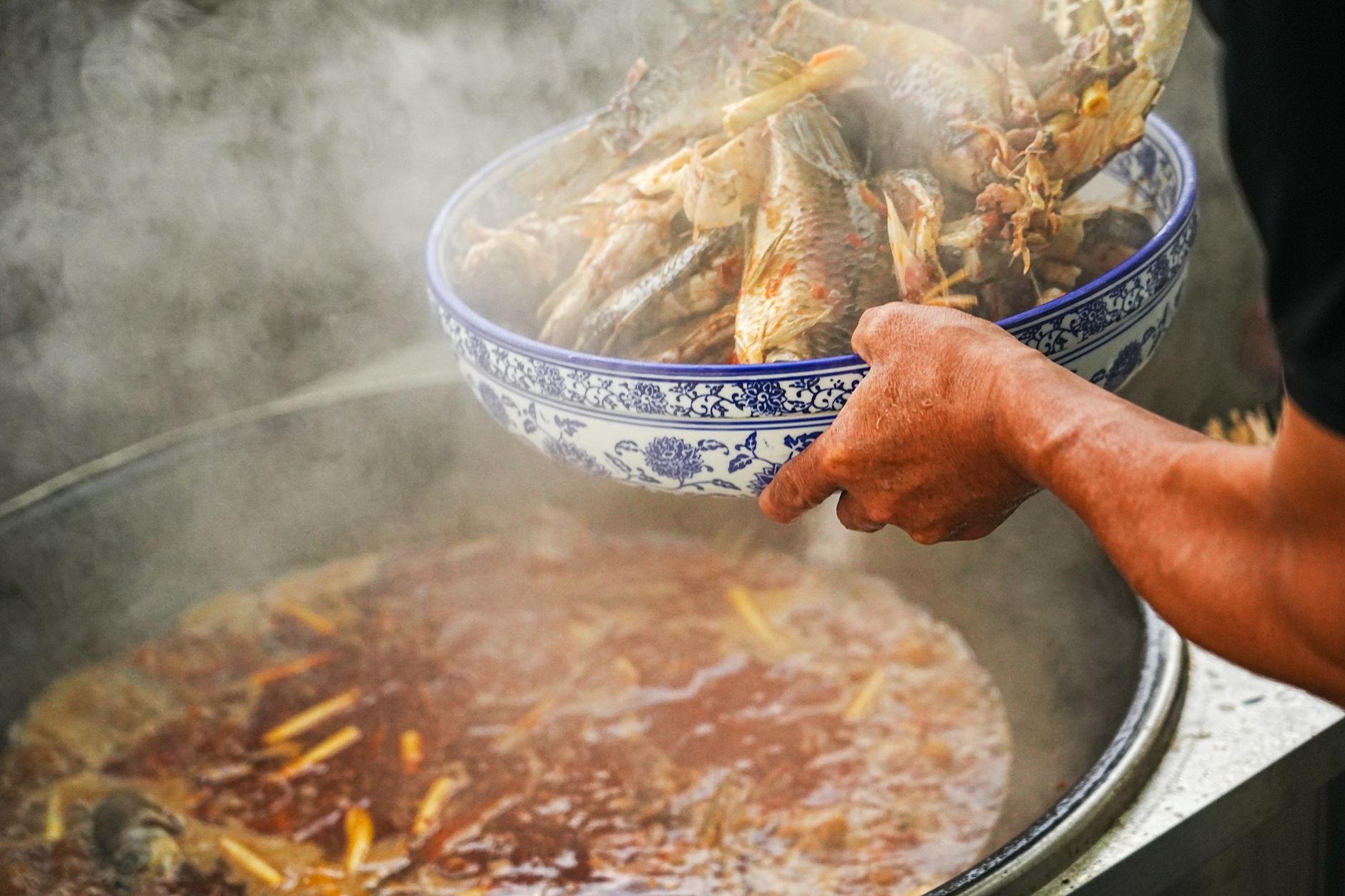
Hot pot is the rare restaurant meal that translates almost perfectly to a home kitchen table. You need a pot, a heat source, a broth, and a spread of things to cook in it — everything else is optional. In a city as spread out as Los Angeles, that also makes it one of the easiest ways to get a group together without booking a table weeks out or splitting up across two cars for parking. It's also one of the few group meals where the cooking happens communally at the table instead of in a kitchen someone is stuck standing over, which changes the shape of the evening in a way most other dinner-party formats don't.
This guide walks through the actual shopping and setup, using grocery stores, a seafood market and hot pot restaurants that exist in the directory, plus a few honest notes on when a restaurant booking still beats staying home.
A sit-down hot pot dinner for six or eight people is one of the harder reservations to land on a weekend night in Los Angeles — most dedicated hot pot spots run small dining rooms with a handful of large-format tables, and those go first. Hosting at home removes the wait, lets people linger for three hours without anyone hovering, and gives you full control over spice level, which matters if your group has both mala diehards and people who can't handle any heat.
The tradeoff is real, too: someone has to shop, someone has to clean the table afterward, and a divided pot at home usually means one broth split two ways rather than the four-way splits some restaurants offer. None of that is a dealbreaker. It just means the planning happens before anyone sits down, not after.
The two pieces of equipment that make or break a home hot pot night are a divided hot pot insert (so you can run a mild broth on one side and a spicy mala broth on the other) and a portable induction or butane burner that sits safely in the middle of the table. Most Asian grocery stores in the city carry both as seasonal or year-round stock, alongside the long chopsticks and wire mesh strainers used to fish ingredients out of the broth. Lay down a heat-safe trivet or splash mat under the burner before anyone sits down — hot pot broth splatters more than most home cooks expect, and a cotton tablecloth will not survive the night.
Plan on one burner and one pot for every four to six guests. Any more than that at a single pot and people spend the whole meal waiting for their turn to cook something.
You don't need to make broth from scratch to have a good night. Packaged hot pot broth bases — mild bone broth, tomato, mushroom, and the various mala and Sichuan chili oil bases — are sold in concentrated pouches or blocks at Asian grocery stores across LA, and a single block usually seasons a full pot once diluted with water or a light stock. Buying two different bases and running them on either side of a split pot is the easiest way to keep a table happy without anyone needing to negotiate spice level.
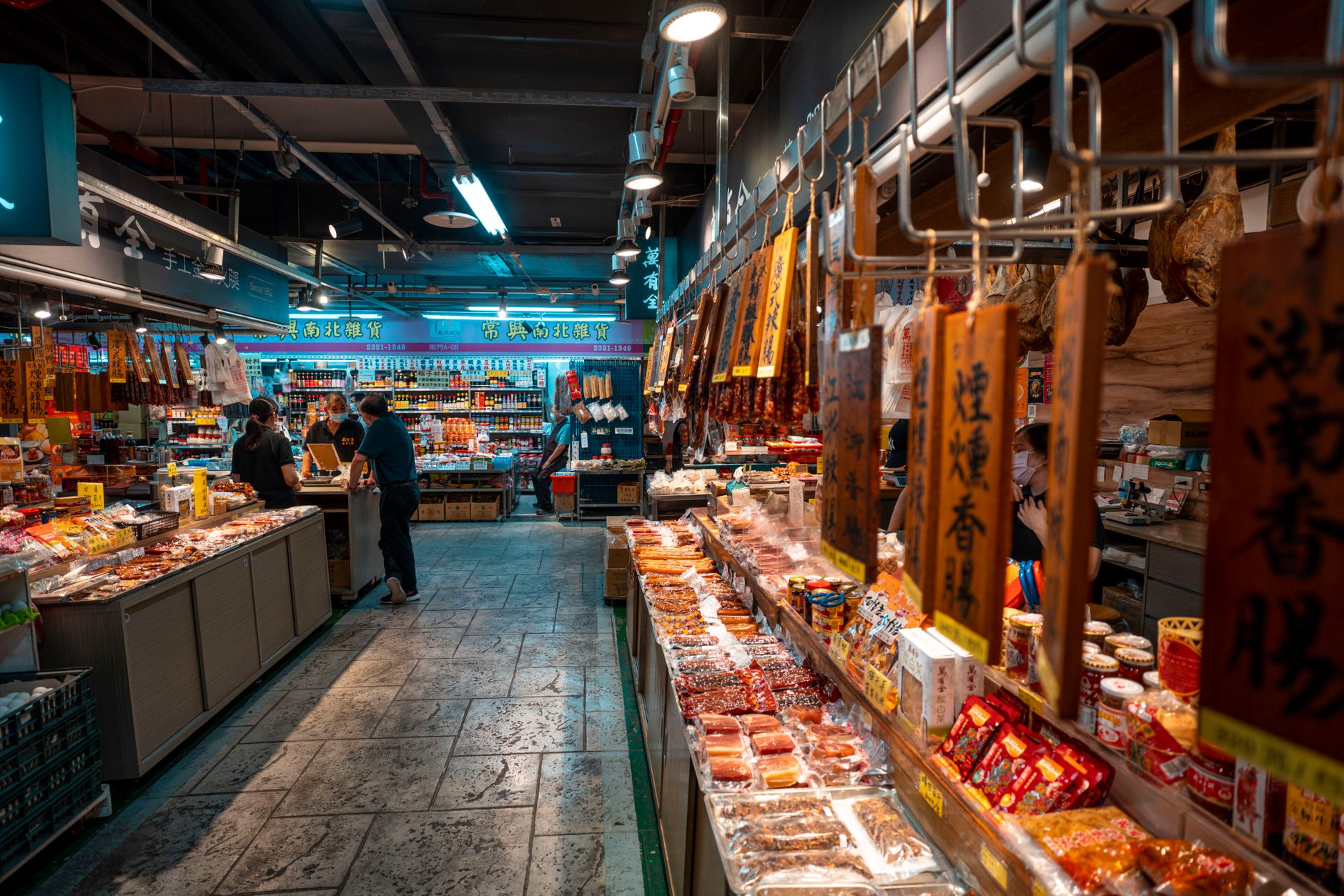
Thin-sliced beef, pork belly, lamb shoulder and fish balls are the backbone of most hot pot spreads, and they're sold pre-sliced and frozen at grocery stores built for exactly this kind of cooking. Zion Market, a Korean grocery store on S Oxford Ave in Koreatown, carries household goods alongside its food selection and is rated 4.2 from nearly 2,000 reviews — it's the kind of one-stop shop where you can pick up thin-sliced meat, tofu, noodles and a broth base in a single trip.
Asian Grocery Stores · Los Angeles, California
A few blocks away, H K Market on N Western Ave is rated 4.2 across more than 2,200 reviews, open daily from 7 am to 9:45 pm, which makes it a realistic same-day stop even if you decide to host on short notice.
Asian Grocery Stores · Los Angeles, California
If you'd rather shop where a lot of Los Angeles hot pot regulars shop, either of these grocery stores works as a single stop for meat, tofu, frozen dumplings and pantry basics like sesame paste and soy sauce.
Shrimp, clams, crab legs and fish maw are hot pot staples that most home cooks skip because they assume fresh seafood means a special trip. Southern California Crab Market on W Manchester Ave is a wholesale seafood market carrying king crab, snow crab, shrimp, fish, mussels and lobster, rated 4.9 from 112 reviews, open Monday through Saturday (closed Sunday) with no sales tax on purchases according to the listing. Wholesale seafood markets like this one are worth the detour if your group leans toward seafood-forward broths — a handful of shell-on shrimp and a couple of crab legs upgrades a pot considerably.
Seafood Markets · Los Angeles, California
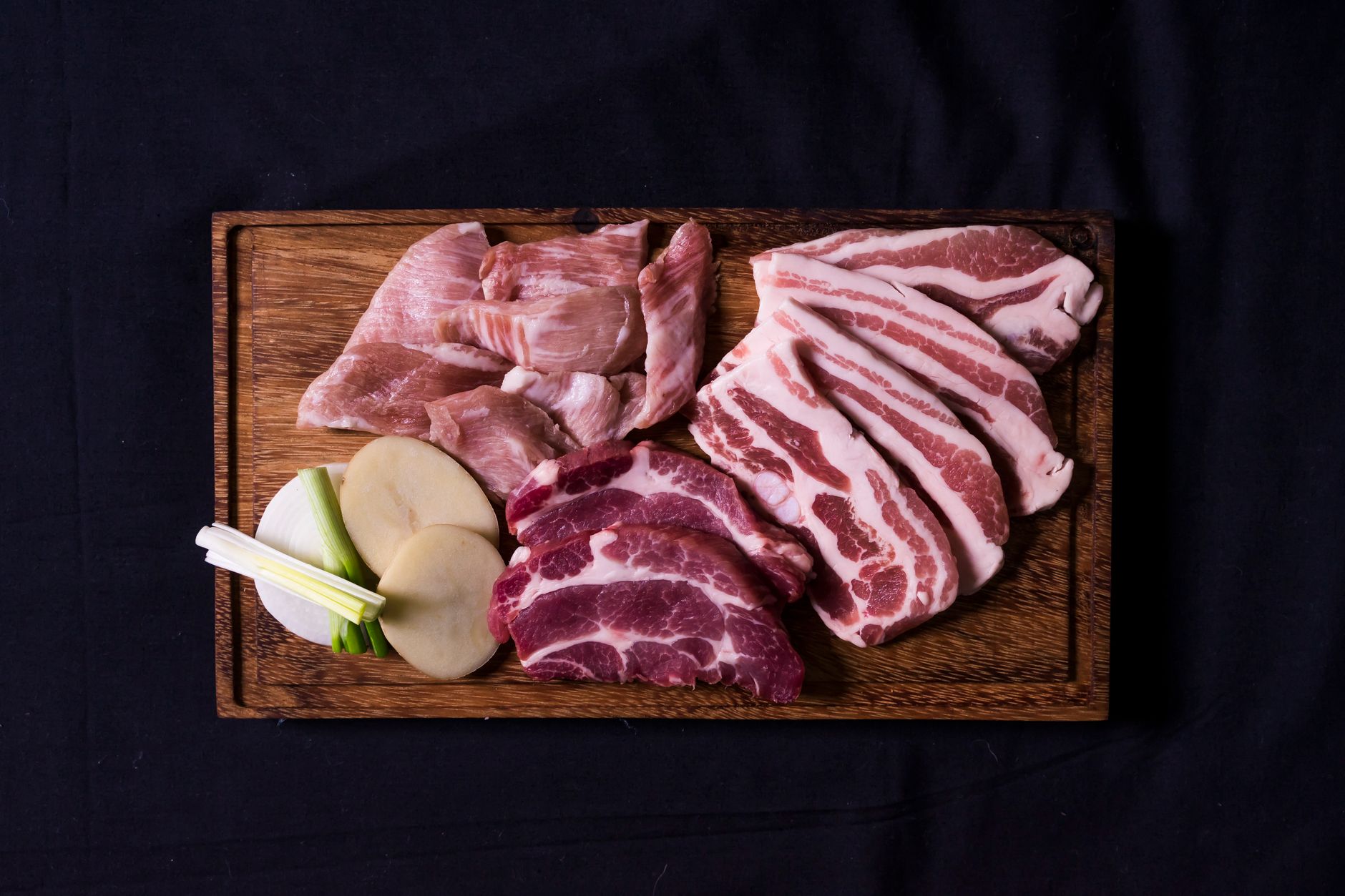
Once meat and seafood are covered, the rest of the shopping list is straightforward: napa cabbage, enoki and shiitake mushrooms, spinach, daikon, corn on the cob cut into rounds, and lotus root if you can find it. For starch, thin sweet potato noodles, instant ramen bricks and frozen dumplings all cook directly in the broth in a few minutes. Tofu comes in several forms worth having on hand — soft tofu for texture, fried tofu puffs for soaking up broth, and frozen tofu skin knots, all shelf-stable or freezer staples at the same grocery stores that carry the broth bases and sliced meat.
A rough rule of thumb for a table of six: two heads of napa cabbage, a pound of mushrooms mixed varieties, a bundle of noodles per two people, and at least one tofu product per person. Buy slightly more than you think you need — hot pot tends to stretch longer than a normal dinner, and running out of vegetables partway through the night deflates the momentum.
Hot pot moves at a slower pace than a normal home-cooked dinner, and that's part of the appeal — plan for the meal itself to run two to three hours once everyone sits down. Broth needs ten to fifteen minutes to come to a full simmer before anyone starts cooking, so put the pot on the burner and get it heating before guests arrive rather than after. Once it's going, thin-sliced meat cooks in seconds, dense vegetables like daikon and lotus root take several minutes, and noodles should go in last so they don't overcook while people are still working through meat and vegetables.
A good host stages the ingredients on platters in roughly the order they'll go into the pot — root vegetables and anything that needs longer cooking first, thin meats and leafy greens last — so the table isn't digging through a mixed pile trying to figure out what's safe to eat raw and what still needs a few more minutes. It also helps to keep a kettle of hot water nearby to top off the broth as it reduces; a pot that runs low gets salty and concentrated fast.
The broth cooks the food, but the dipping sauce is where individual taste comes in. A basic bar covers sesame paste, soy sauce, minced garlic, scallions, cilantro, chili oil and a splash of vinegar, set out in small bowls so guests mix their own. Most of these ingredients are shelf-stable pantry items sold at any of the grocery stores mentioned above, so it's worth picking them up on the same trip as the broth base and protein rather than making a separate run.
Hosting isn't always the right call — a first hot pot night with people who've never done it before, a smaller group of two or three, or a weeknight when nobody has time to shop and clean are all good reasons to book a table instead. Los Angeles has several dedicated hot pot restaurants that handle the sourcing and cleanup for you.
Qianlixiang Hot Pot Kebab on Wilshire Blvd is rated 4.3 from 109 reviews and serves both hot pot and dry pot alongside skewers, open until 11:30 pm most nights. Reviewers single out the dry pot in particular, and the restaurant runs a buffet-style ingredient selection for both hot and dry pot orders, so a table can mix styles without splitting into two orders.
Hot Pot · Los Angeles, California
WOK BAR on W 7th St describes itself as the oldest hot pot specialty restaurant in Koreatown, rated 4.1 from 164 reviews, open daily from 11 am to 10 pm. Its longevity in a neighborhood with heavy competition from newer hot pot chains is worth noting if you're choosing between a dozen options within a few blocks of each other.
Hot Pot · Los Angeles, California
For a trip out to the San Gabriel Valley, Shancheng Lameizi Hot Pot on S San Gabriel Blvd is rated 4.2 across 543 reviews — one of the more heavily reviewed hot pot spots in the area — and is open daily from 11:30 am to 11 pm, which makes it a realistic destination for a group coming from multiple parts of the county on a weeknight.
Hot Pot · San Gabriel, California
| Home hot pot | Restaurant hot pot | |
|---|---|---|
| Group size that works best | 4–8 people around one pot | Any size, tables permitting |
| Broth control | You choose and split bases yourself | Usually 2–4 broth options, sometimes a split pot |
| Wait time | None, once shopping is done | Can require a reservation on weekends |
| Cleanup | Yours | None |
| Best for | Regulars, larger groups, longer hangouts | First-timers, small groups, weeknights |
| Where to shop or go | Zion Market, H K Market, Southern California Crab Market | Qianlixiang, WOK BAR, Shancheng Lameizi |
A home hot pot night in Los Angeles comes down to one shopping trip and one piece of equipment you don't already own — a divided pot and a portable burner. A single stop at a Korean or Chinese grocery store like Zion Market or H K Market covers broth base, sliced protein, tofu and noodles, and a short detour to a wholesale seafood market like Southern California Crab Market upgrades the pot considerably if your group eats seafood. Save the restaurant booking for nights when the group is small, first-timers are at the table, or nobody has time to shop — Los Angeles and the San Gabriel Valley both have hot pot restaurants that will happily do the work for you.
20 Sep 2026 · 9 min read
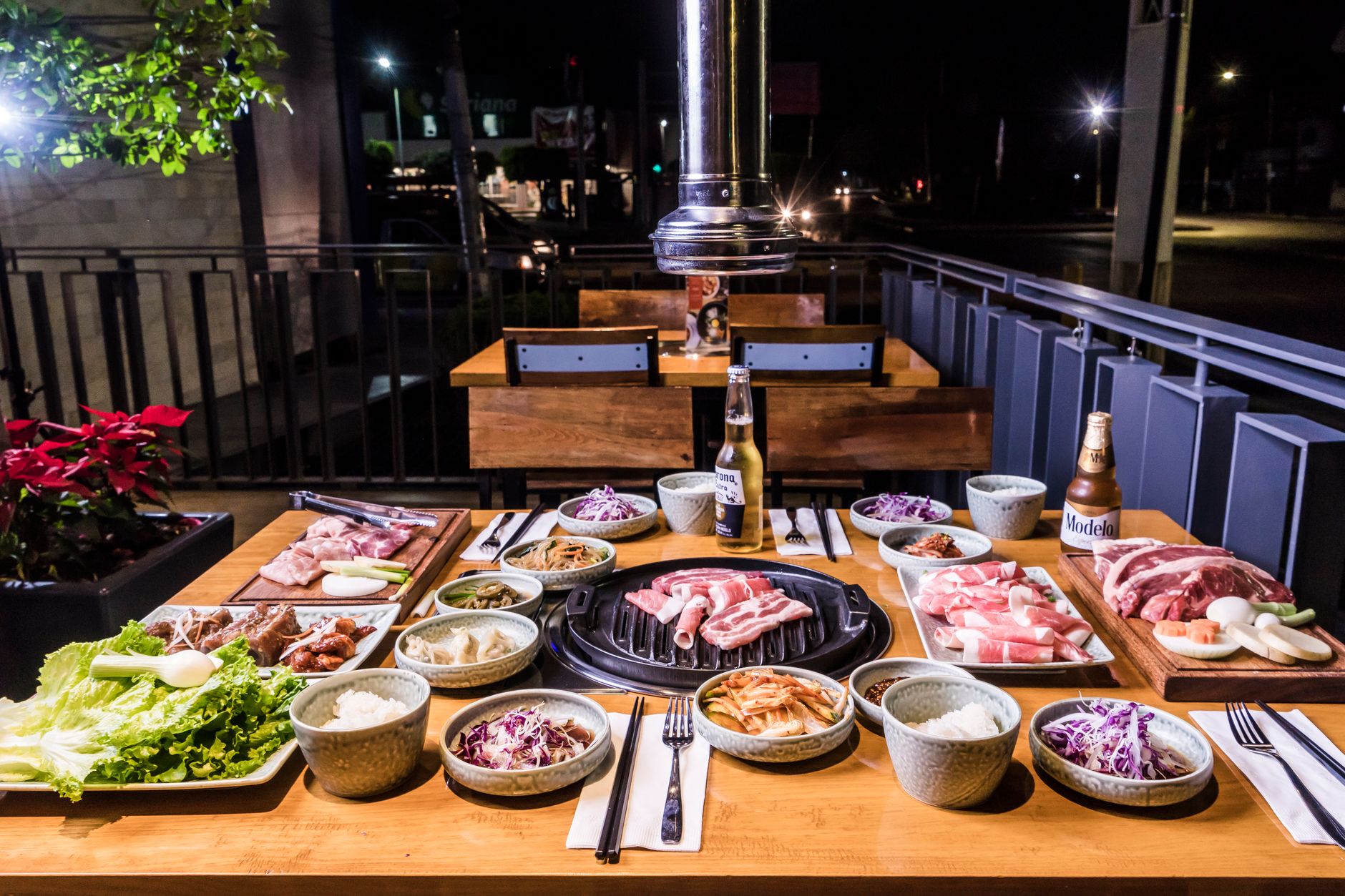
AYCE vs. a la carte Korean BBQ pricing in Koreatown, LA: what drives the bill, hidden costs, and real listings to compare.
Korean BBQ Los Angeles Koreatown
19 Sep 2026 · 8 min read
A cuisine-by-cuisine guide to Convoy District: ramen, Korean BBQ, Sichuan food, bubble tea, and how to plan a multi-stop food crawl.
San Diego Convoy District Korean BBQ
17 Sep 2026 · 8 min read
What actually separates Cantonese, Sichuan, and Hunan cooking, with real California restaurants to taste the differences yourself.
Chinese cuisine Cantonese Sichuan