

20 Sep 2026 · 9 min read
What a Korean BBQ Dinner for Four Really Costs in LA in 2026
AYCE vs. a la carte Korean BBQ pricing in Koreatown, LA: what drives the bill, hidden costs, and real listings to compare.
Korean BBQ Los Angeles Koreatown17 September 2026 · 8 min read
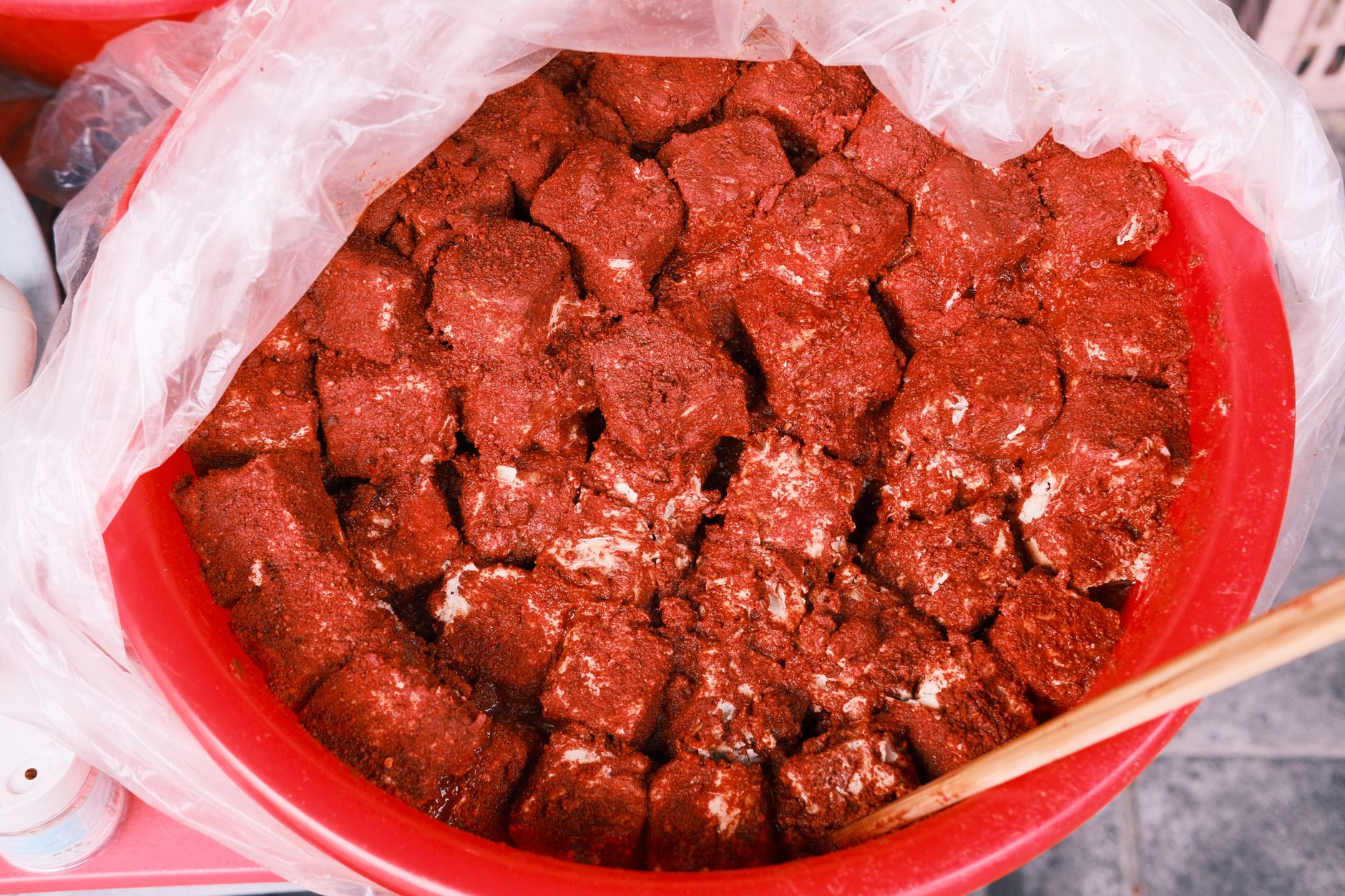
Order "Chinese food" in most American towns and you get a single, blended menu. Spend a weekend eating through San Francisco's Chinatown and the San Gabriel Valley east of Los Angeles, though, and you'll notice the menus stop agreeing with each other. One restaurant plates delicate steamed dumplings and roast meats over rice. Another serves fish-fragrant eggplant and a broth that leaves your lips buzzing. A third piles on dried chilies until the dish looks less like food and more like a bonfire. These are three different regional cuisines — Cantonese, Sichuan, and Hunan — each with its own techniques, seasonings, and history, and California has enough of all three that you can taste the difference in a single afternoon.
The blending happened for historical reasons, not culinary ones. The first large wave of Chinese immigrants to the US, starting in the mid-1800s, came overwhelmingly from Guangdong province, so Cantonese food became the default "Chinese restaurant" template across the country for over a century — the sweet-and-sour pork, chow mein, and egg foo young that show up on Americanized menus everywhere are Cantonese-derived dishes adapted for a non-Chinese customer base. Sichuan and Hunan cuisines only became widely available in the US after immigration law changed in 1965 and later waves of immigrants arrived directly from those provinces and other parts of mainland China, often settling in specific metro areas rather than spreading evenly across the country. That's why Sichuan and Hunan restaurants are still concentrated in a handful of regions — including California — while Cantonese-style Chinese restaurants exist in nearly every American town, often run by the same families for multiple generations.
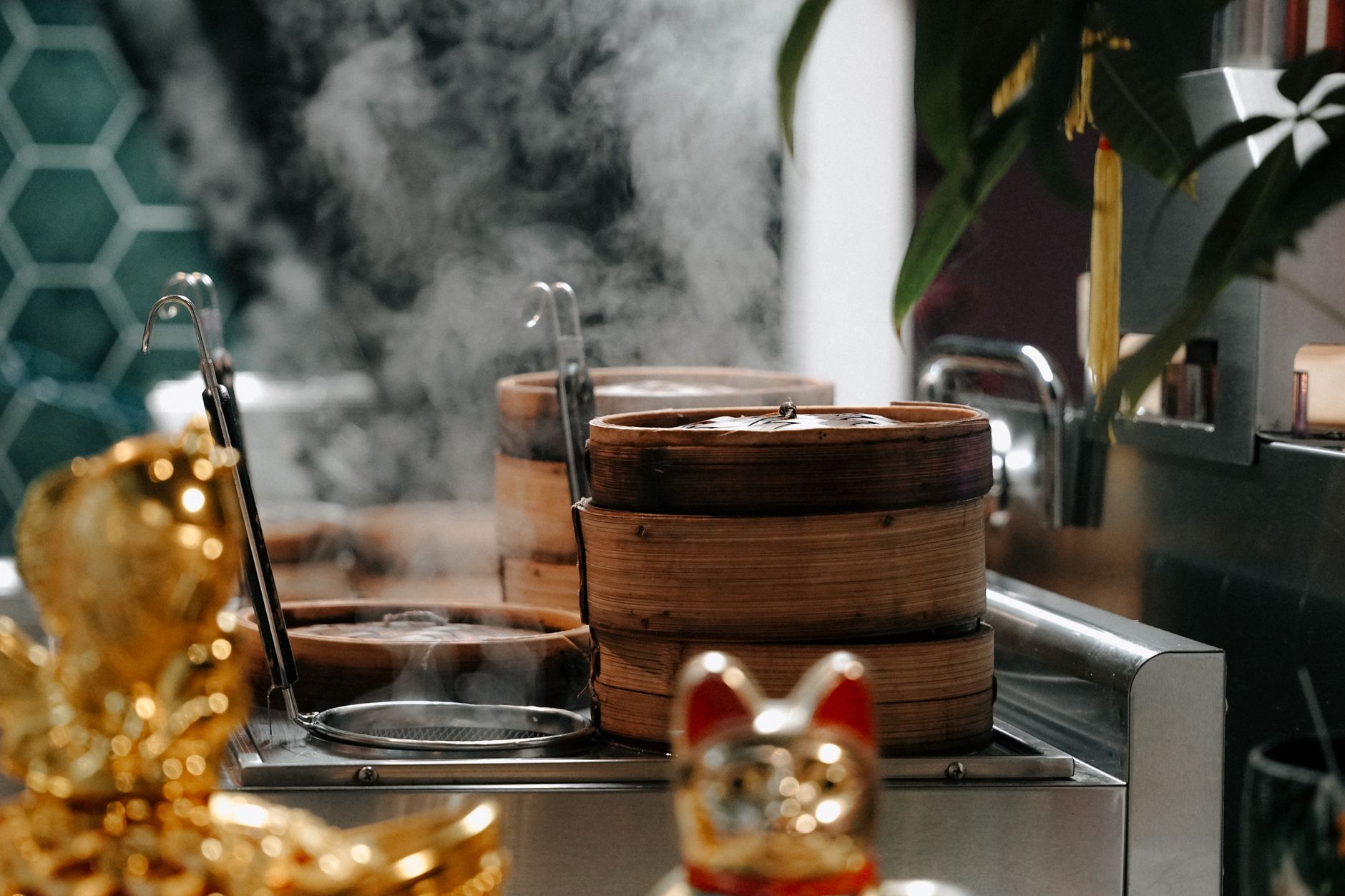
Cantonese food, from China's southern Guangdong province and Hong Kong, is the cuisine that shaped what most Americans think "Chinese restaurant" means, because it's what most 19th- and 20th-century Chinese immigrants to the US brought with them. Its hallmarks are freshness and restraint: steaming, quick stir-frying, and roasting rather than heavy sauces or dried spice, with salt, a little sugar, soy sauce, and aromatics like ginger and scallion doing most of the seasoning work. Dim sum — small steamed or fried dishes served from carts or order sheets — is a Cantonese invention, and so is the barbecue-counter tradition of glossy roast duck, char siu pork, and soy-sauce chicken hanging in restaurant windows.
Cantonese Restaurants · San Francisco, California
In San Francisco's Chinatown, Hong Kong Clay Pot Restaurant is a good entry point: its category on the directory is Cantonese Restaurants, and its menu leans on clay-pot dishes — proteins and vegetables slow-cooked in a lidded pot — that show the cuisine's comfort-food side rather than its banquet side. For a more formal dim sum room nearby, Palette Tea House on North Point Street serves the classic steamed and fried small plates in a sit-down setting rather than the cart format, which makes it easier to order exactly what you want instead of grabbing whatever rolls by.
Cantonese Restaurants · San Francisco, California
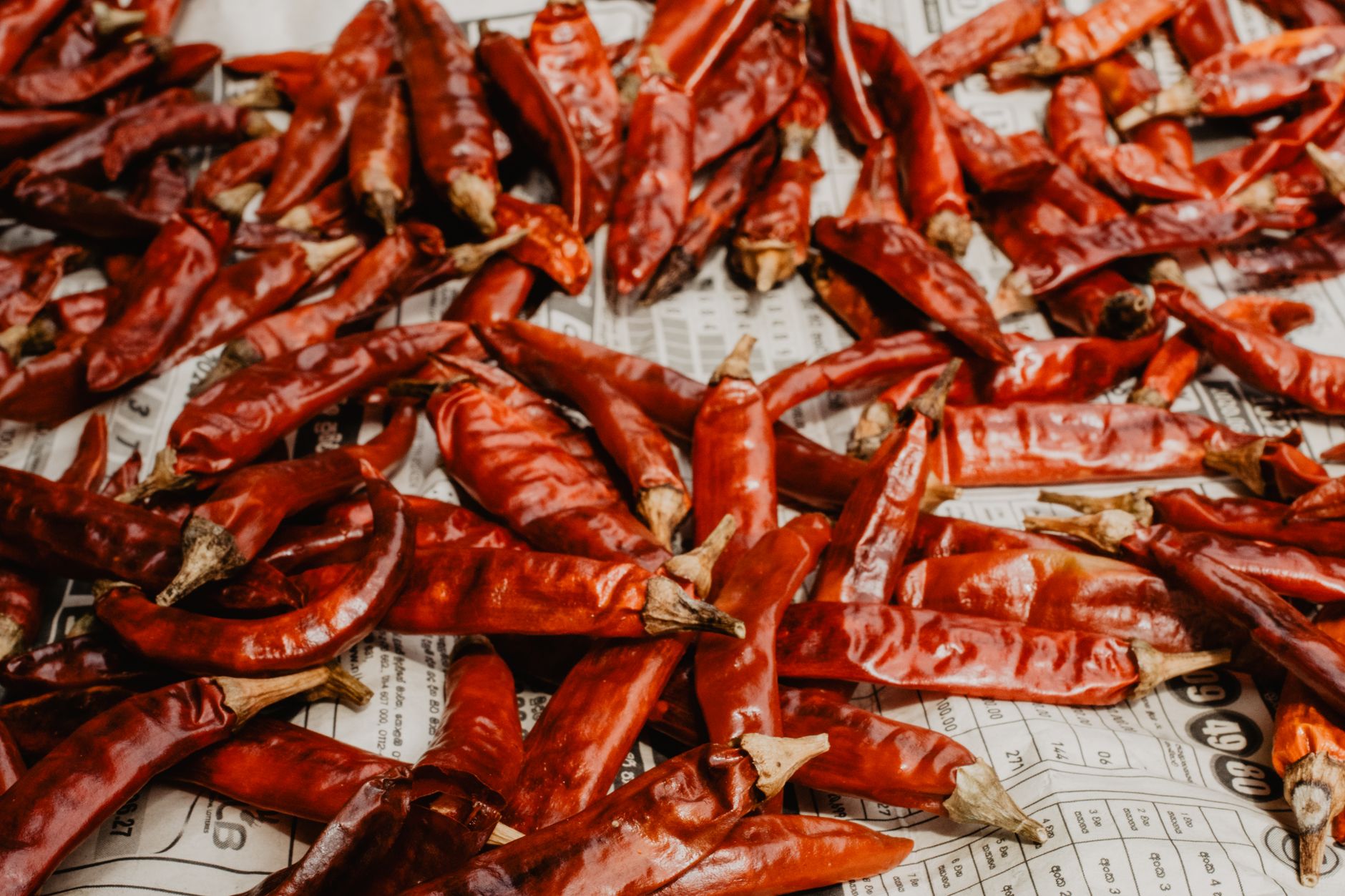
Sichuan cuisine, from the mountainous province of the same name in southwest China, is built around a flavor combination that doesn't exist in Cantonese cooking at all: mala, the numbing-and-spicy pairing of Sichuan peppercorn and dried chili. The peppercorn (not related to black or white pepper) produces a tingling, slightly electric sensation on the tongue, while the chilies bring straightforward heat; together they let a dish be intensely flavorful without being one-dimensionally hot. Sichuan food also uses fermented broad-bean paste (doubanjiang), garlic, and Chinkiang black vinegar to build layered, often oily sauces — think mapo tofu, dan dan noodles, or whole fish braised in chili oil.
Szechuan & Hunan · Los Angeles, California
mala class in Los Angeles's Highland Park neighborhood is a small, highly rated spot (4.9 stars on the directory at last check) that leans into the numbing side of the equation rather than diluting it for a general audience. For a larger, more traditional Sichuan menu, Delicious Chengdu in Temple City — named for Sichuan's provincial capital — is a San Gabriel Valley staple with a long list of cold appetizers, dry-fried dishes, and hot pots.
Szechuan & Hunan · Temple City, California
Hunan cuisine, from the province just east of Sichuan, is often confused with it because both are famously spicy — but Hunan food skips the numbing peppercorn almost entirely and instead builds heat through fresh and dried chilies, often paired with a sourer, more pungent profile than Sichuan's oilier sauces. Hunan cooking also relies more on smoking and curing (smoked or cured pork and fish show up often) and on stir-frying at very high heat, which gives many dishes a slightly charred, "wok hei" edge. If Sichuan food makes your mouth tingle, Hunan food is more likely to just make you sweat.
Szechuan & Hunan · San Francisco, California
Sohunan of Henry's Hunan, on Sacramento Street in San Francisco's Financial District, is one of the more accessible places in the city to try the style — its menu includes the smoked ham and chili dishes that distinguish Hunan cooking from its numbing neighbor to the west, without requiring you to seek out a Hunan-specific enclave the way you might for Sichuan or Cantonese food.
None of these cuisines is "hotter" or "better" than the others — they're solving different problems with different ingredients. The table below is a quick reference for what to expect before you sit down.
| Cantonese | Sichuan | Hunan | |
|---|---|---|---|
| Signature flavor | Fresh, mild, subtly sweet | Mala (numbing + spicy) | Sour and hot, no numbing |
| Key seasonings | Soy sauce, ginger, scallion | Sichuan peppercorn, dried chili, doubanjiang | Fresh/dried chili, vinegar, smoked meats |
| Common techniques | Steaming, roasting, quick stir-fry | Braising, dry-frying, oil-based sauces | High-heat stir-fry, smoking, curing |
| Signature dishes | Dim sum, roast duck, clay pots | Mapo tofu, dan dan noodles, hot pot | Smoked ham, chairman's chicken, chili-fish |
| Where it's common in CA | San Francisco Chinatown, Bay Area suburbs | San Gabriel Valley, Bay Area | Fewer standalone restaurants; often on mixed menus |
California's two biggest Chinese food hubs approach these regional cuisines differently. San Francisco's Chinatown and its surrounding neighborhoods skew Cantonese, a legacy of the immigration patterns that built the neighborhood in the first place, though newer Sichuan and Hunan spots have opened around the Financial District and the Richmond. The San Gabriel Valley, east of downtown Los Angeles across cities like Monterey Park, Alhambra, and Temple City, is where more recent immigration from mainland China — including Sichuan and other regions — has produced one of the densest, most regionally diverse concentrations of Chinese restaurants in the country.
Cantonese Restaurants · Monterey Park, California
J J Hong Kong Cafe in Monterey Park keeps the Cantonese cha chaan teng (Hong Kong-style cafe) tradition alive with a menu that mixes Cantonese comfort dishes with Hong Kong-influenced Western items, and it's open late into the night, which matters if you're food-touring the area after dinner elsewhere. A few minutes away in Alhambra, Sichuan Impression takes the opposite approach: a menu built almost entirely around dry-fried and mala dishes, aimed squarely at diners who already know what they're ordering.
Szechuan & Hunan · Alhambra, California
If you're planning a day trip rather than a single meal, it's worth browsing the directory's Cantonese restaurants in San Francisco and Szechuan & Hunan restaurants in Los Angeles category pages, or the general San Francisco and Los Angeles listings, to build a route rather than relying on a single recommendation.
Knowing the region changes how you should order. At a Cantonese restaurant, lean on the roast meats and clay pots as anchors and add one or two lighter vegetable or seafood dishes — the cuisine rewards balance over intensity. At a Sichuan restaurant, don't order everything "mild" by default; a lot of the point of the cuisine is the mala sensation, so at least one dish should include Sichuan peppercorn even if you dial down the chili. At a Hunan restaurant, ask about smoked or cured items specifically, since they're the dishes that set the cuisine apart from a generic "spicy Chinese" experience, and pace your rice accordingly — Hunan heat builds rather than hitting all at once.
Reservations are rarely necessary at any of these categories of restaurant outside of major holidays, though the more established Cantonese dim sum rooms can have a wait on weekend mornings. Check each listing's own hours before visiting, since Chinese restaurants — especially smaller, family-run Sichuan and Hunan spots — are more likely than chain restaurants to close for an afternoon break between lunch and dinner service, or to take an unscheduled day off.
It also helps to ask, rather than assume, when a menu doesn't specify a region. Many Chinese American restaurants — particularly outside California's biggest Chinese food hubs — still run the older, blended Cantonese-derived menu regardless of what the owners' own regional background is, and separately offer a smaller "authentic" or Chinese-language menu with Sichuan or Hunan dishes for customers who ask. If a restaurant's category on this directory says Cantonese Restaurants, Szechuan & Hunan, or a more specific label, that's based on what the business itself lists as its primary cuisine on Google, not a guarantee that every dish on the menu fits neatly into one bucket — regional lines blur in practice more than they do on paper, especially at restaurants that have been serving a mixed American clientele for decades.
Cantonese, Sichuan, and Hunan aren't three versions of the same cuisine — they're three separate culinary traditions that happen to share a language and a national border, each shaped by a different climate, history, and set of local ingredients. The fastest way to tell them apart at the table is to taste for numbing (Sichuan peppercorn means Sichuan), for smoke and sour heat without the numbing (Hunan), or for a lighter, soy-and-ginger-forward profile built around steaming and roasting (Cantonese). California's two biggest Chinese food hubs, San Francisco's Chinatown and the San Gabriel Valley, both have enough restaurants in each category that you don't have to guess — check current hours and menus on the listings above, and order with the region in mind rather than just "Chinese food."
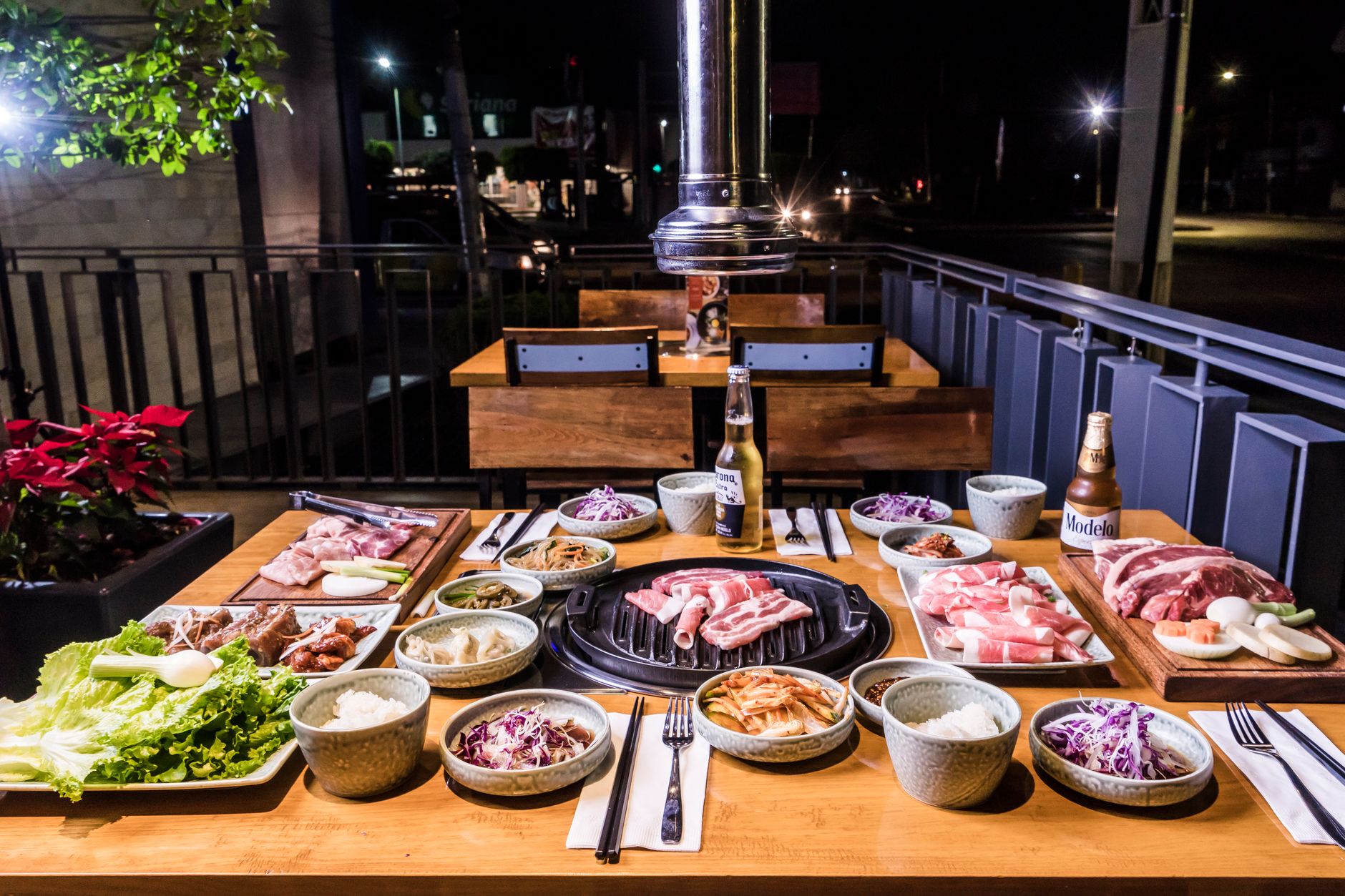
20 Sep 2026 · 9 min read
AYCE vs. a la carte Korean BBQ pricing in Koreatown, LA: what drives the bill, hidden costs, and real listings to compare.
Korean BBQ Los Angeles Koreatown
19 Sep 2026 · 8 min read
A cuisine-by-cuisine guide to Convoy District: ramen, Korean BBQ, Sichuan food, bubble tea, and how to plan a multi-stop food crawl.
San Diego Convoy District Korean BBQ
18 Sep 2026 · 9 min read
A practical LA guide to hosting hot pot at home: what to buy, where to shop, and when it is easier to book a table instead.
hot pot Los Angeles how-to