

22 Sep 2026 · 8 min read
How to Shop an Asian Grocery Store in Sacramento (2026)
A practical Sacramento guide to Asian grocery corridors, produce and seafood counters, and which market fits which shopping trip.
Sacramento Asian Grocery How-To21 September 2026 · 8 min read
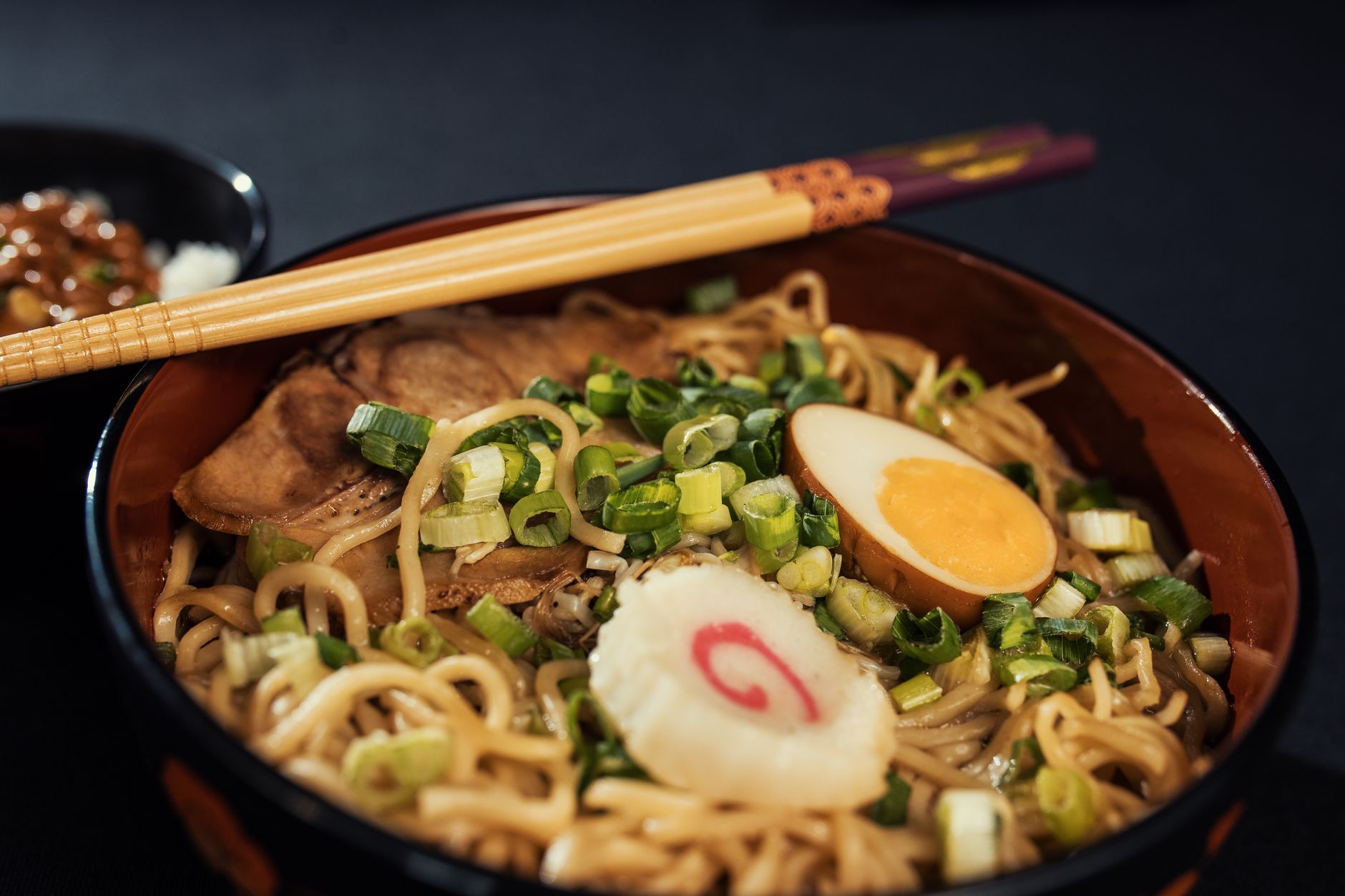
Walk down Story Road or through the Berryessa shopping plazas in San Jose on any given night and you'll pass all three: a ramen shop with a line out the door, a pho counter with steam fogging the windows, and a Thai kitchen sending out plates of basil and chili. They're often lumped together as "Asian noodle soup," but ramen, pho, and Thai noodle soups like tom yum or boat noodles come from different countries, different broths, and different rules for eating them. This guide breaks down what actually separates them, using real ramen, pho, and Thai restaurants already listed for San Jose, CA.
All three are built around a bowl, a broth, and noodles, which is where the confusion starts. But the similarities mostly stop at the shape of the dish. Ramen is a Japanese import that took its own path after arriving from China in the early 20th century, built around wheat noodles and a broth that's often simmered for a full day. Pho is Vietnamese, built on a clear, herb-forward beef or chicken broth over flat rice noodles, traditionally eaten for breakfast. Thai noodle soups cover more ground — from the sour-spicy tom yum broth to the sweeter, offal-friendly boat noodle soups sold at street stalls — and rice noodles, egg noodles, and glass noodles all show up depending on the dish. Knowing which country a bowl comes from tells you what to expect before the first sip of broth.
If you taste the broth first, you can usually identify the cuisine before you even look at the noodles. Ramen broth is typically built on a pork or chicken bone base — tonkotsu (pork bone) turns cloudy and rich after hours of boiling, while shio and shoyu bases stay clearer and are seasoned with salt or soy sauce. Most shops finish the broth with a seasoned tare and a drizzle of flavored oil, which is why ramen broth often tastes deeper and fattier than the other two.
Ramen · San Jose, California
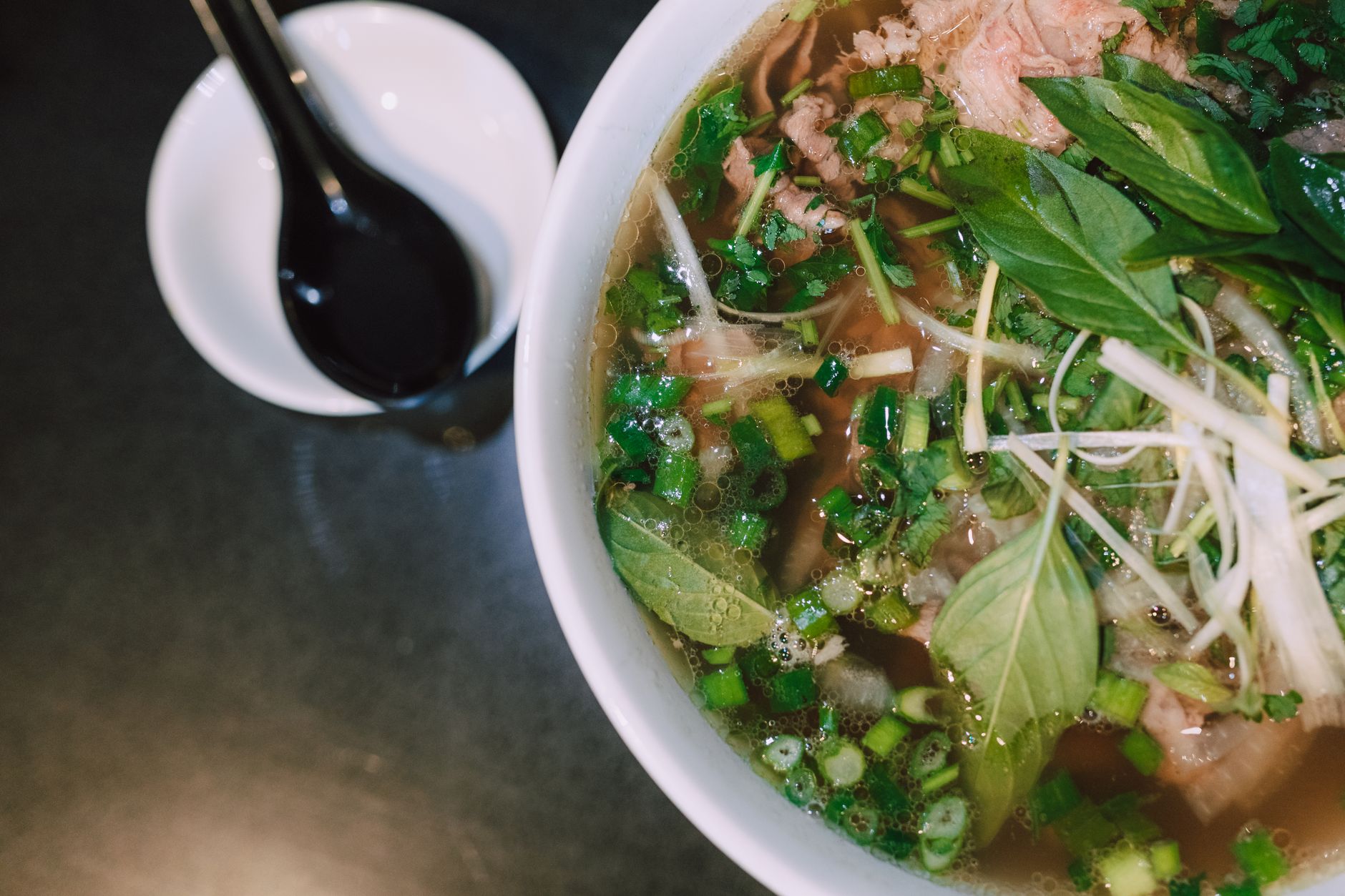
Pho broth is the opposite instinct: it's simmered with charred ginger and onion, star anise, cinnamon, and cloves, then skimmed carefully so it stays clear rather than cloudy. A good bowl should taste clean and aromatic rather than heavy, which is part of why it works as a breakfast dish in Vietnam. Thai noodle soup broths vary the most of the three — tom yum leans on lemongrass, galangal, kaffir lime leaf, and fresh chilies for a broth that's sour and spicy at once, while boat noodle broth (often dark with beef blood and warm spices) is closer in richness to ramen than to pho.
Ramen · San Jose, California
The noodle itself is a second, faster way to tell these apart. Ramen uses alkaline wheat noodles (the alkaline mineral water, kansui, is what gives them their yellow tint and springy bite), and the noodle's thickness and curl are usually chosen to match the broth style. Toppings tend to be composed rather than piled on: a marinated soft-boiled egg, chashu pork belly, nori, bamboo shoots, and scallions arranged deliberately across the top of the bowl.
Pho relies on flat rice noodles (banh pho) that are neutral in flavor, letting the broth and herbs do the work. The plate of add-ins that arrives on the side — Thai basil, bean sprouts, sawtooth herb, lime, and sliced chilies — is meant to be added at the table, which is part of what makes pho feel interactive rather than finished when it's served.
Vietnamese & Pho · San Jose, California
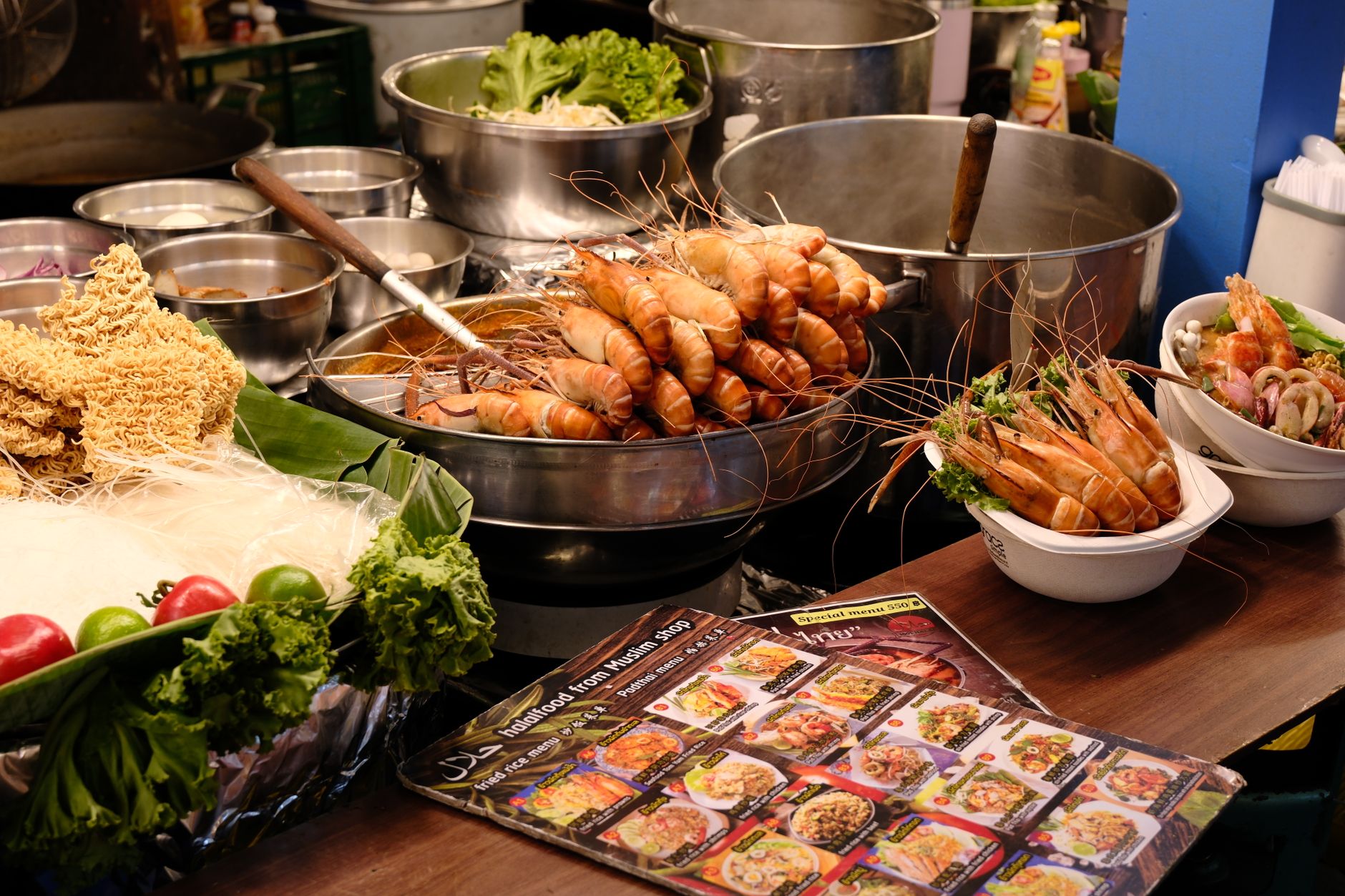
Thai noodle soups are the most flexible on this front. Rice noodles (sen), egg noodles (bami), and glass noodles all appear depending on the dish, and a single restaurant might offer several noodle choices for the same soup base. Crushed peanuts, fried garlic, and fish sauce condiments on the table let you adjust each bowl to taste, which is closer to the Vietnamese approach than the more fixed ramen bowl.
| Ramen (Japan) | Pho (Vietnam) | Thai noodle soup | |
|---|---|---|---|
| Broth base | Pork or chicken bone, long-simmered | Beef or chicken, charred aromatics, clear | Lemongrass/galangal (tom yum) or dark spiced (boat noodles) |
| Noodle | Alkaline wheat noodle | Flat rice noodle (banh pho) | Rice, egg, or glass noodle depending on dish |
| Typical protein | Chashu pork, chicken, sometimes seafood | Beef (brisket, flank, meatballs) or chicken | Pork, beef, seafood, or offal in boat noodles |
| Table add-ins | Chili oil, extra tare, sometimes garlic press | Fresh herbs, bean sprouts, lime, chili slices | Fish sauce, sugar, chili flakes, crushed peanuts |
| When it's typically eaten | Lunch or dinner | Any time, traditionally breakfast | Any time, common as a quick lunch |
San Jose's mix of neighborhoods makes it an easy place to taste all three without much driving. For ramen, Kumako Den and Ramen Takumi both draw strong local followings, and starting with a shio or shoyu bowl before trying a heavier tonkotsu is a reasonable way to calibrate your palate to the style.
Vietnamese & Pho · San Jose, California
For pho, smaller counter-service spots tend to keep the broth closer to the traditional clear style, since they're not trying to also run a broader Vietnamese menu. Pho Now and Pho Nhat Minh are both worth comparing back to back — order the same cut of beef at each and you'll notice how much the broth technique changes the final bowl even when the toppings are nearly identical.
Thai Restaurants · San Jose, California
Thai kitchens in San Jose tend to offer a house tom yum alongside more specialized soups, so it's worth asking what the kitchen is known for rather than defaulting to the first item on the soup menu. Thai Soul Kitchen and Khaosan Thai Restaurant both list a range of noodle soups beyond the standard tom yum, which is a good way to see how far the category stretches beyond what most menus outside Thailand offer.
Thai Restaurants · San Jose, California
Dietary flexibility also varies quite a bit between the three cuisines, which matters if you're ordering for a group with mixed preferences. Ramen is the least accommodating of the three by default, since the broth is almost always built on animal bones — a shop advertising a genuinely vegetarian or vegan ramen has usually built a separate kombu or mushroom-based broth from scratch rather than substituting into the standard base, so it's worth asking rather than assuming a "vegetable ramen" on the menu is broth-free of animal products. Pho restaurants more commonly offer a dedicated vegetarian version (pho chay), built on a vegetable and mushroom stock with tofu in place of beef, and it's usually a separate menu line rather than a modification of the meat broth. Thai restaurants tend to be the most flexible at the table: many soups can be made with tofu instead of meat, and fish sauce can sometimes be swapped for soy-based alternatives on request, though it's worth confirming since fish sauce is a foundational seasoning in most Thai kitchens rather than an optional garnish.
Gluten is another point worth checking. Rice noodles in both pho and most Thai noodle soups are naturally gluten-free, but ramen's wheat noodles are not, and there isn't a common gluten-free ramen substitute the way there is in pho or Thai cooking. Anyone cooking for a mixed group with dietary restrictions will generally have an easier time building a shared order around pho or Thai noodle soup than ramen, simply because of how the noodle itself is made.
A few menu cues make it faster to order with confidence instead of guessing. In a ramen shop, the broth name (tonkotsu, shio, shoyu, miso) is usually the headline item, with noodle firmness and extra toppings offered as add-ons — asking for noodles "kata" (firm) is a common enough request that most shops will accommodate it. In a Vietnamese restaurant, "pho" followed by a number or descriptor (tai, chin, nam) refers to the cut of beef, and ordering a bowl with a mix of cuts is completely normal rather than indecisive. In a Thai restaurant, dishes labeled "tom yum" are sour-spicy by default, while soups without that label may be milder — if a menu doesn't specify spice level, it's reasonable to ask, since Thai kitchens serving a broad American audience often tone down heat unless you request otherwise.
Portion sizes and pacing also differ. Ramen is meant to be eaten quickly, while the noodles are still at their intended texture, so it's the one bowl where lingering actually works against the dish. Pho and Thai noodle soups hold up longer at the table, which is part of why they're easier to share or order alongside other dishes.
Parking is worth checking ahead in denser commercial corridors, since strip-mall lots fill up fast during peak dinner hours, and a few of the smaller counter-service spots don't take reservations at all — for those, arriving right at opening or well past the dinner rush is the more reliable way to skip a wait. Families ordering for a group should note that most ramen shops serve one bowl per person with limited splitting, while pho and Thai restaurants are generally set up for shared ordering, with soups sized to split or supplement with rice plates. Menus, hours, and current prices are worth checking directly with each restaurant, since specials and pricing can change.
The fastest way to tell these three apart is to taste the broth first: a rich, fatty broth built on bones points to ramen, a clear aromatic broth points to pho, and a sour-spicy or dark spiced broth points to Thai. Once you know what you're tasting, ordering gets easier — you can ask for the right noodle firmness at a ramen counter, request a specific cut of beef at a pho spot, or ask about spice level at a Thai kitchen — and a city like San Jose, with strong options in all three categories within a few miles of each other, is a good place to run the comparison yourself.
22 Sep 2026 · 8 min read
A practical Sacramento guide to Asian grocery corridors, produce and seafood counters, and which market fits which shopping trip.
Sacramento Asian Grocery How-To
20 Sep 2026 · 9 min read
AYCE vs. a la carte Korean BBQ pricing in Koreatown, LA: what drives the bill, hidden costs, and real listings to compare.
Korean BBQ Los Angeles Koreatown
19 Sep 2026 · 8 min read
A cuisine-by-cuisine guide to Convoy District: ramen, Korean BBQ, Sichuan food, bubble tea, and how to plan a multi-stop food crawl.
San Diego Convoy District Korean BBQ