

21 Sep 2026 · 8 min read
Ramen, Pho, and Thai Soup: How to Tell Them Apart (2026)
What actually separates ramen, pho, and Thai noodle soups, with real San Jose restaurants to taste the difference yourself.
Ramen Pho Thai food22 September 2026 · 8 min read
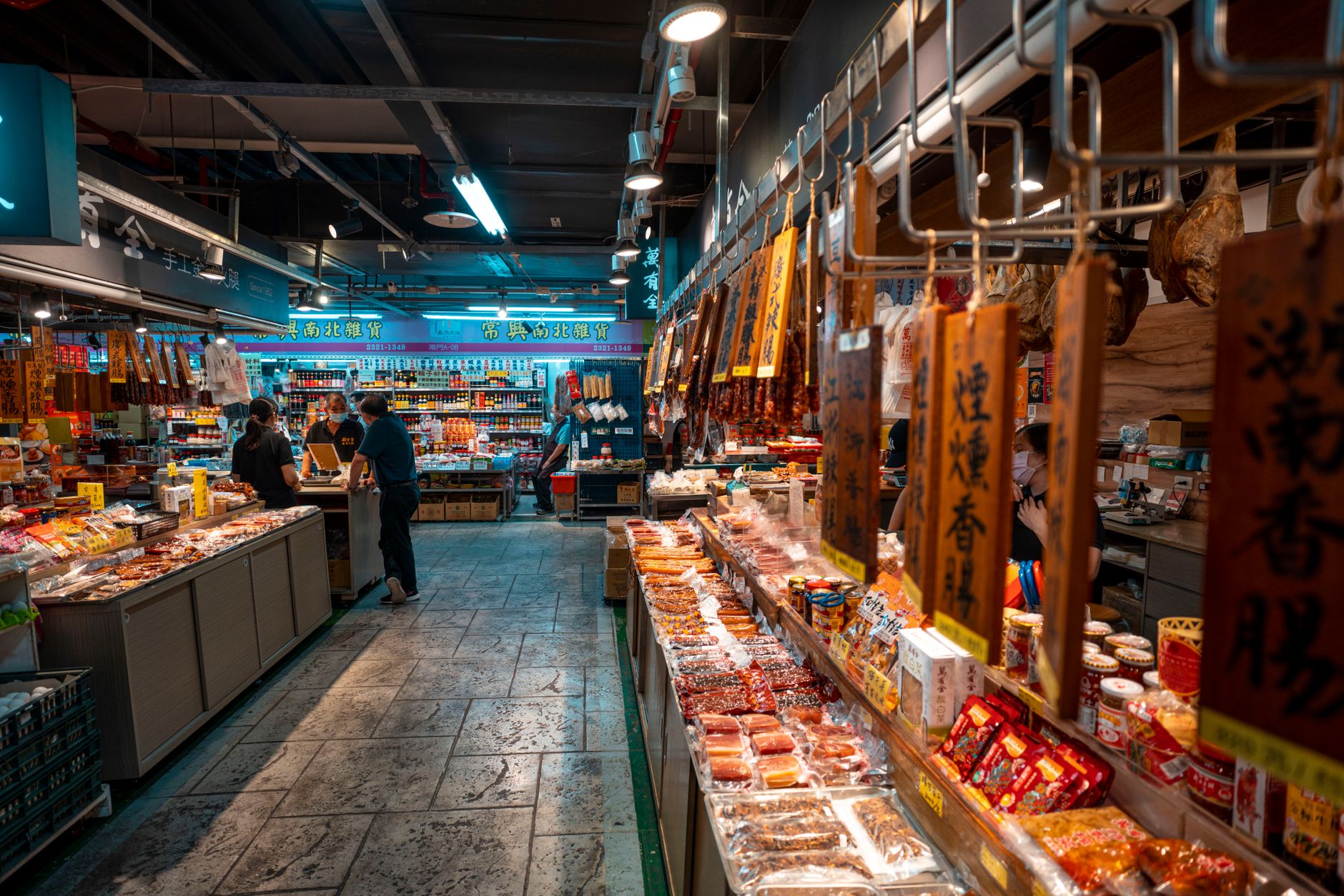
Sacramento's Asian grocery scene doesn't announce itself with a single Chinatown arch or one obvious strip. It's spread across a handful of corridors — Stockton Boulevard, Florin Road, Freeport Boulevard, and pockets of Arden-Arcade — where Chinese, Vietnamese, Filipino, and halal markets sit next to nail salons and laundromats, easy to drive past if you don't know to look. If you've only ever shopped a mainstream American supermarket, walking into one of these stores for the first time can feel disorienting: different aisles are organized by cuisine rather than by food group, the seafood counter is often the busiest section in the building, and half the snack aisle is in languages you may not read. None of that is a problem once you know what you're looking at. This guide walks through how to shop an Asian grocery store in Sacramento like you've done it before, using real stores in the city as reference points.
"Asian grocery store" is a catch-all term, but the stores underneath it aren't interchangeable. Sacramento has large general Asian supermarkets that carry a bit of everything — Chinese, Japanese, Korean, Southeast Asian — alongside smaller markets that specialize in one region's pantry.
Asian Grocery Stores · Sacramento, California
99 Ranch Market on Florin Road is the closest thing Sacramento has to a one-stop Asian supermarket: a full seafood counter, a butcher case, a large frozen section, and grocery aisles covering Chinese, Japanese, Korean, and Southeast Asian brands side by side. It's a reasonable first stop if you're not sure what you're looking for yet.
Asian Grocery Stores · Sacramento, California
Vinh Phat Supermarket on Stockton Boulevard leans Vietnamese, with a produce section built around herbs and vegetables used in pho, bún, and Vietnamese stir-fries, plus a large selection of fish sauce, rice paper, and Vietnamese snack brands that a general store might only carry one or two versions of. Knowing which kind of store you're walking into changes what you should expect to find — and which one is worth the extra drive for a specific ingredient.
Stockton Boulevard, running through the Fruitridge and Florin areas, is the single densest strip for Asian groceries in Sacramento, with Vietnamese, Chinese, and Hmong markets within a few blocks of each other. Florin Road, a short drive west, adds the city's larger-format supermarkets and several halal and East African grocers serving the surrounding neighborhoods. Freeport Boulevard, closer to Land Park, has a smaller but still useful cluster of Chinese and Southeast Asian markets.
Asian Grocery Stores · Sacramento, California
Red Sea Food Market & Halal Meat, on 65th Street near the Florin corridor, is worth knowing about specifically if you're shopping for halal meat — a category general Asian supermarkets don't always carry — alongside East African and Middle Eastern pantry staples that overlap with the broader Asian grocery aisle in useful ways. The directory's full Asian Grocery Stores listing for Sacramento covers all of these corridors in one place if you want to see what else is nearby before you head out, and the Sacramento city page lists every category of Asian restaurant and market the directory has recorded in the area.
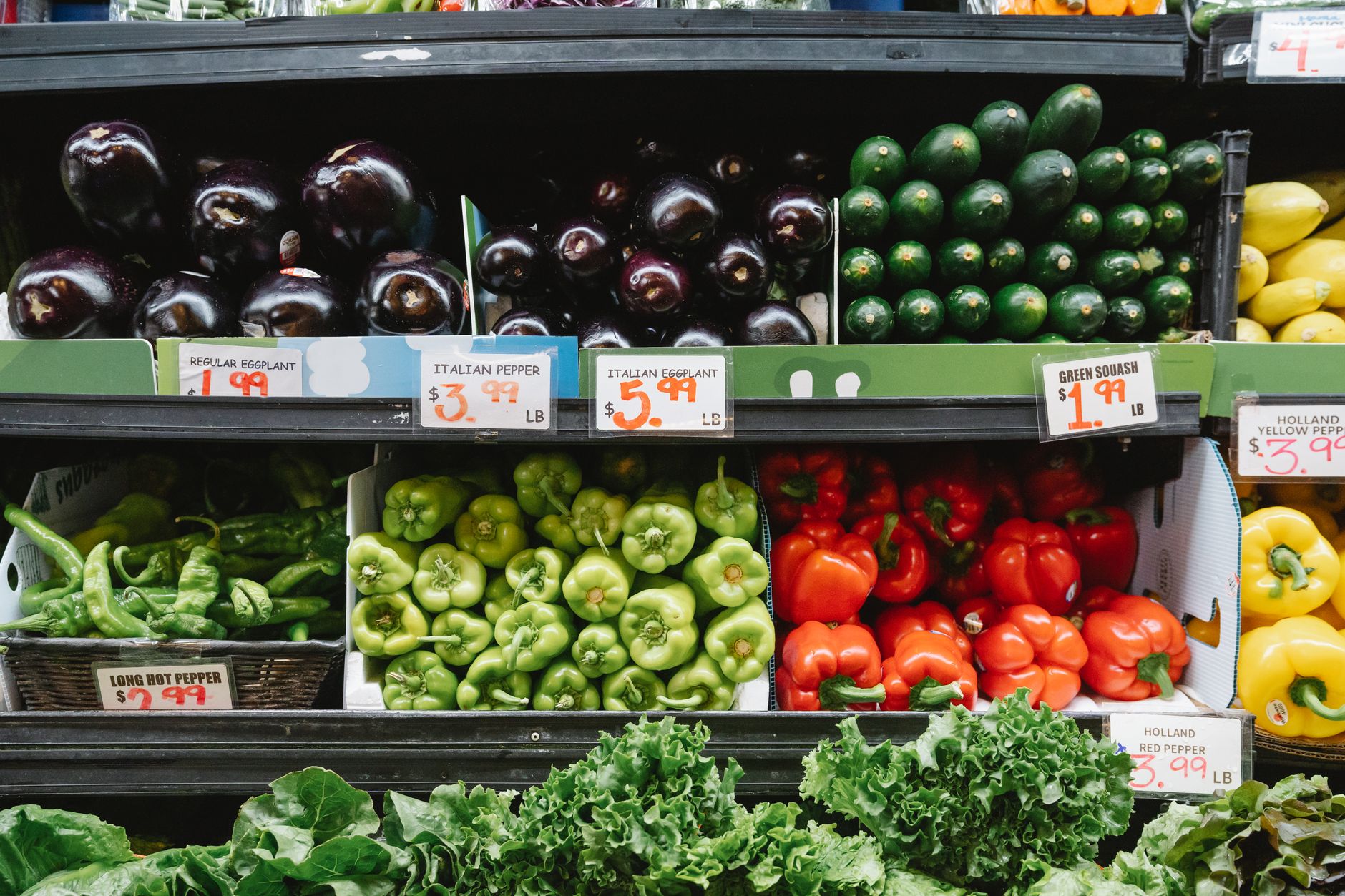
The produce section is usually the fastest way to tell what a store specializes in. A Vietnamese-leaning market will stock a wide range of fresh herbs — Thai basil, perilla leaf, rice paddy herb, saw-tooth coriander — in quantities a general grocery store never would, plus items like banana blossom, taro stems, and fresh turmeric root. A Chinese-leaning store will carry a deeper bench of leafy greens: bok choy in multiple sizes, gai lan, yu choy, and napa cabbage, often at better condition and turnover than a mainstream supermarket carries them.
The frozen aisle rewards a slower walk-through. This is usually where you'll find pre-made dumplings and wontons from multiple brands, frozen fish balls and fish cakes for hot pot, frozen durian and other fruit not available fresh locally, and pre-cut meats sliced thin specifically for hot pot or shabu-shabu. If you're new to a particular frozen category, reading the back-of-package cooking instructions before checkout is worth the extra minute, since preparation methods vary more than they do for typical frozen American food.
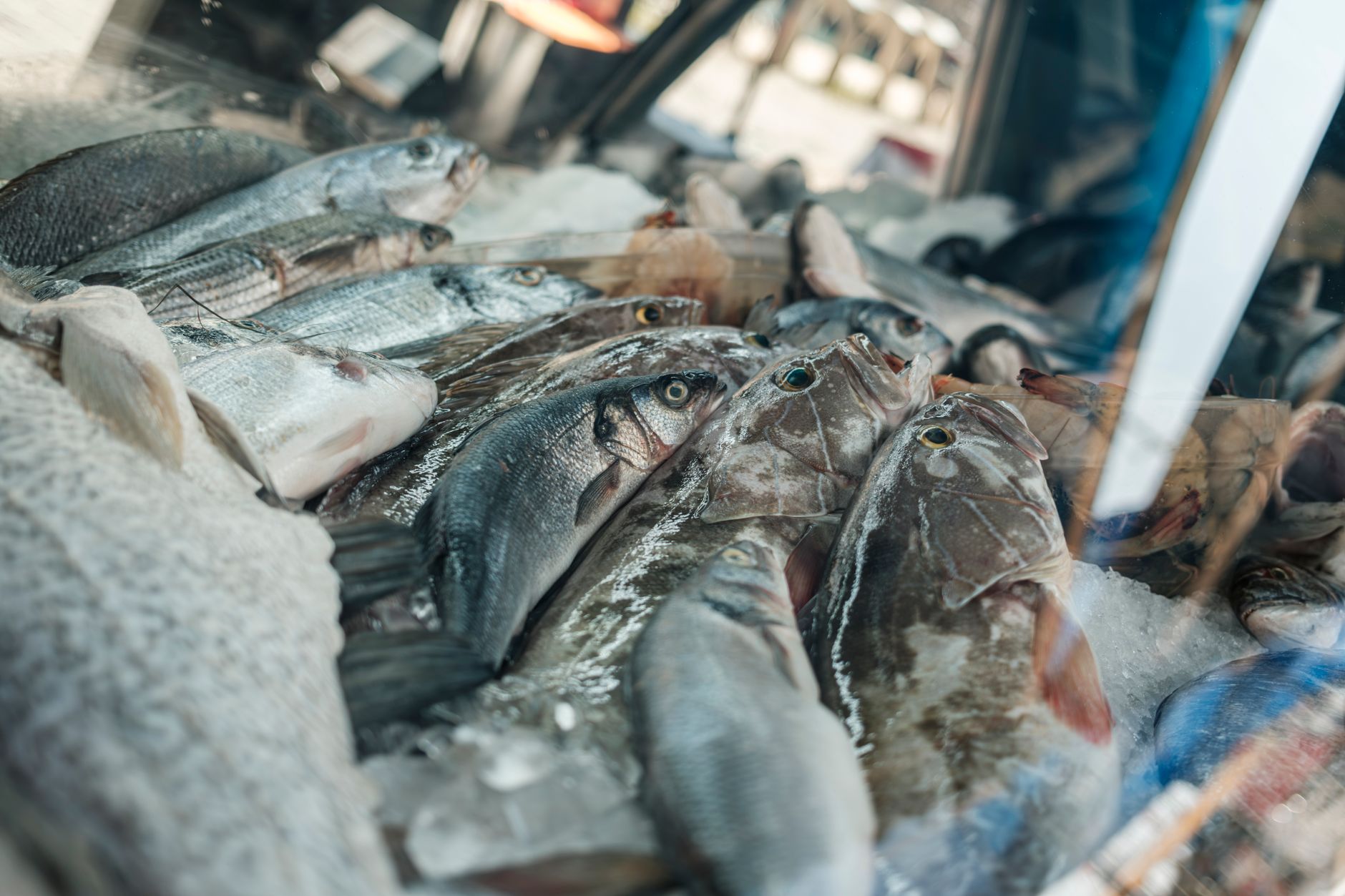
The seafood counter is often the most active part of an Asian supermarket, and it operates a little differently from a Western grocery store's seafood department. Live tanks are common for items like tilapia, crab, or lobster, and whole fish — not just fillets — are usually the default rather than the exception. Staff at the counter will often clean and cut a whole fish to order if you ask, which is worth doing if you're not confident doing it yourself at home.
Asian Grocery Stores · Sacramento, California
Wing Wa Seafood Supermarket, on Stockton Boulevard, is built specifically around this kind of seafood shopping, with a large live-tank section and a seafood counter that's typically busier than the rest of the store. If you're cooking a whole fish for the first time, a smaller specialized market like this one, where the staff are used to fielding preparation questions, can be a gentler starting point than a bigger supermarket's counter during a weekend rush.
The meat counter, separately, is where you'll find cuts not typically stocked at a mainstream grocery store: thin-sliced pork belly and beef for hot pot, whole ducks, pork bones for broth, and offal for dishes that call for it. Current prices vary by store and by day, so check current prices at the counter rather than assuming they match what you'd pay elsewhere.
The center aisles are where an unfamiliar shopper can lose the most time, simply because the range of options is so much wider than at a mainstream store. Soy sauce alone might fill half an aisle, split by region (Chinese light and dark soy, Japanese shoyu, Indonesian kecap manis) and by use (all-purpose, for dipping, for marinating). The same is true of chili products — chili oil, chili crisp, sambal, gochujang — where brand and heat level vary enough that it's worth reading labels rather than grabbing the first jar.
Snack aisles are usually organized by country of origin rather than by snack type, so Japanese, Korean, Taiwanese, and Filipino snacks each get their own section rather than being mixed together. If you're shopping for a specific childhood snack or a specific brand you've had before, it's faster to ask a staff member which aisle covers that country's products than to scan the whole store. Rice is sold by the bag in sizes well beyond what a Western grocery store offers — 25- and 50-pound bags are standard for jasmine and short-grain rice — which makes sense once you consider how central rice is to the households these stores serve.
Different trips call for different stores. This is a rough guide to which type of Sacramento market fits which kind of shopping trip, based on what each store's listing shows about its category and specialty.
| Store | Corridor | Best for |
|---|---|---|
| {{biz:99-ranch-market-sacramento}} | Florin Road | One-stop shopping across Chinese, Japanese, Korean, and Southeast Asian brands |
| {{biz:vinh-phat-supermarket-sacramento}} | Stockton Boulevard | Vietnamese herbs, produce, and pantry staples |
| {{biz:wing-wa-seafood-supermarket-sacramento}} | Stockton Boulevard | Live-tank and whole-fish seafood shopping |
| {{biz:red-sea-food-market-and-halal-meat-sacramento}} | Florin Road area | Halal meat and East African and Middle Eastern staples |
None of these is strictly "better" than the others — they're built around different pantries, and a serious home cook in Sacramento's Asian food scene typically ends up rotating between two or three of them depending on what's on the shopping list that week.
A grocery run is a natural excuse to build a bigger stop around it, since Sacramento's Asian bakeries and bubble tea shops tend to cluster near the same corridors as the markets.
Asian Bakeries · Sacramento, California
ABC Bakery is a good example: an Asian bakery carrying the sweet buns, egg tarts, and pastries common to Chinese and Hong Kong-style bakeries, the kind of stop that works well either before a grocery run, for a snack while you shop, or after, once the cold items are already in the car and you're ready for something sweet.
Bubble Tea · Sacramento, California
Boba Storie, also in Sacramento, is a straightforward bubble tea stop for the same kind of trip — useful to know about if you're planning a grocery run around a specific neighborhood and want a drink stop that doesn't require an extra detour. Pair either of these with a stop at the directory's Sacramento bubble tea listings or Asian bakery listings if you want more options in the same part of town.
A few logistics make the first visit smoother. Bring your own reusable bags if you have a preference — some smaller markets charge for bags or have a limited supply at checkout. Parking is generally straightforward at the larger supermarkets, which tend to sit in their own strip-mall lots, but can be tighter at smaller Stockton Boulevard storefronts, so budget a few extra minutes to find a spot during weekend afternoons, the busiest shopping window at most of these stores. Most accept credit and debit cards, but it's worth carrying some cash as a backup at smaller, family-run markets. And if you don't recognize an ingredient, asking a staff member is almost always faster and more reliable than guessing from the packaging — most of these stores are used to shoppers who are new to a particular cuisine, not just regulars.
Shopping an Asian grocery store in Sacramento comes down to matching the store to the trip: a general supermarket like 99 Ranch Market when you need a bit of everything, a specialized market like Vinh Phat Supermarket or Wing Wa Seafood Supermarket when you're cooking a specific cuisine or need a live seafood counter, and a smaller neighborhood market like Red Sea Food Market when halal meat is the priority. Once you know the corridors — Stockton Boulevard, Florin Road, and Freeport Boulevard — and roughly what each store specializes in, the rest is the same as grocery shopping anywhere: read labels, ask questions when you're unsure, and build in time to browse an aisle you've never stood in before.
21 Sep 2026 · 8 min read
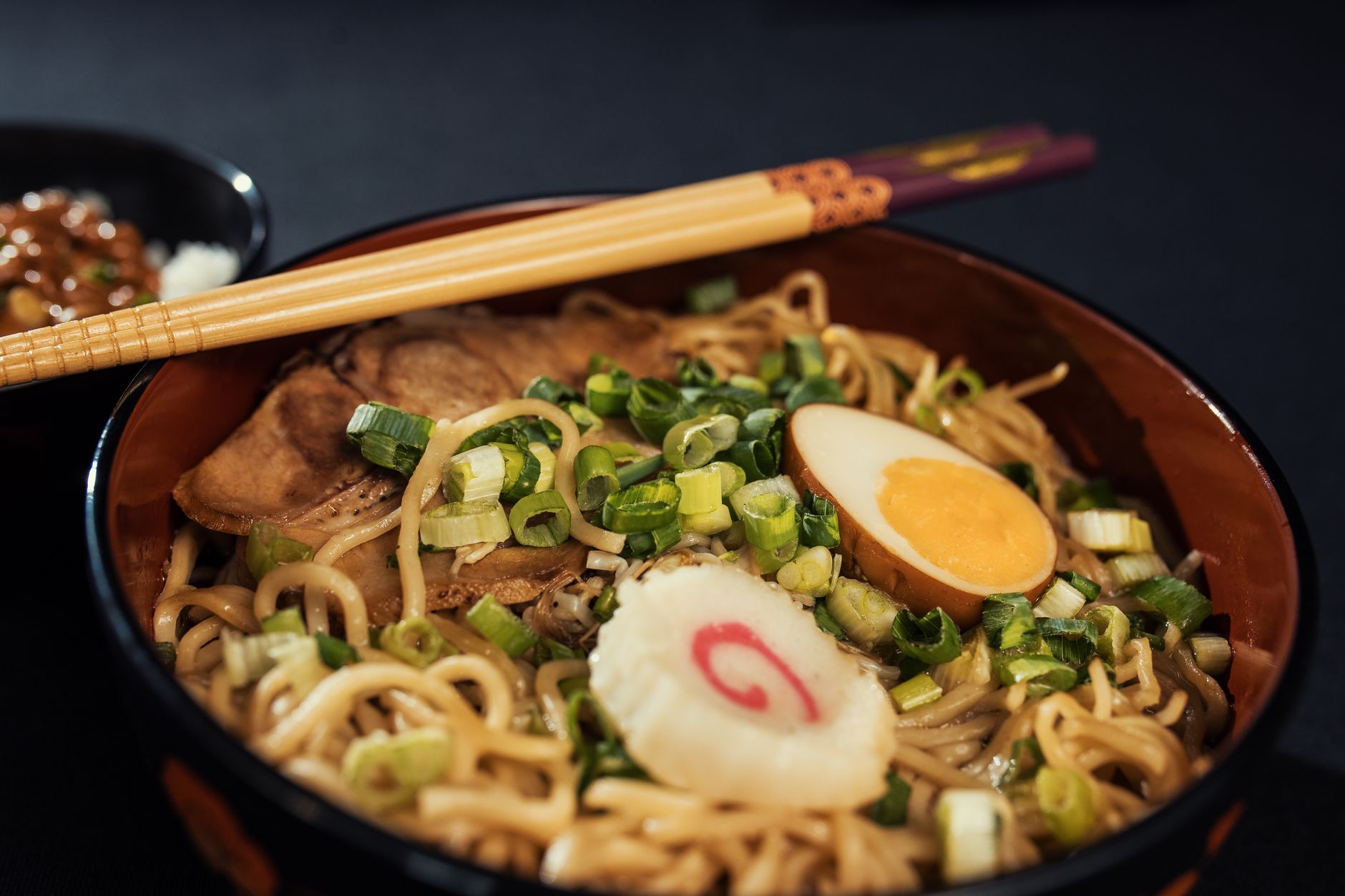
What actually separates ramen, pho, and Thai noodle soups, with real San Jose restaurants to taste the difference yourself.
Ramen Pho Thai food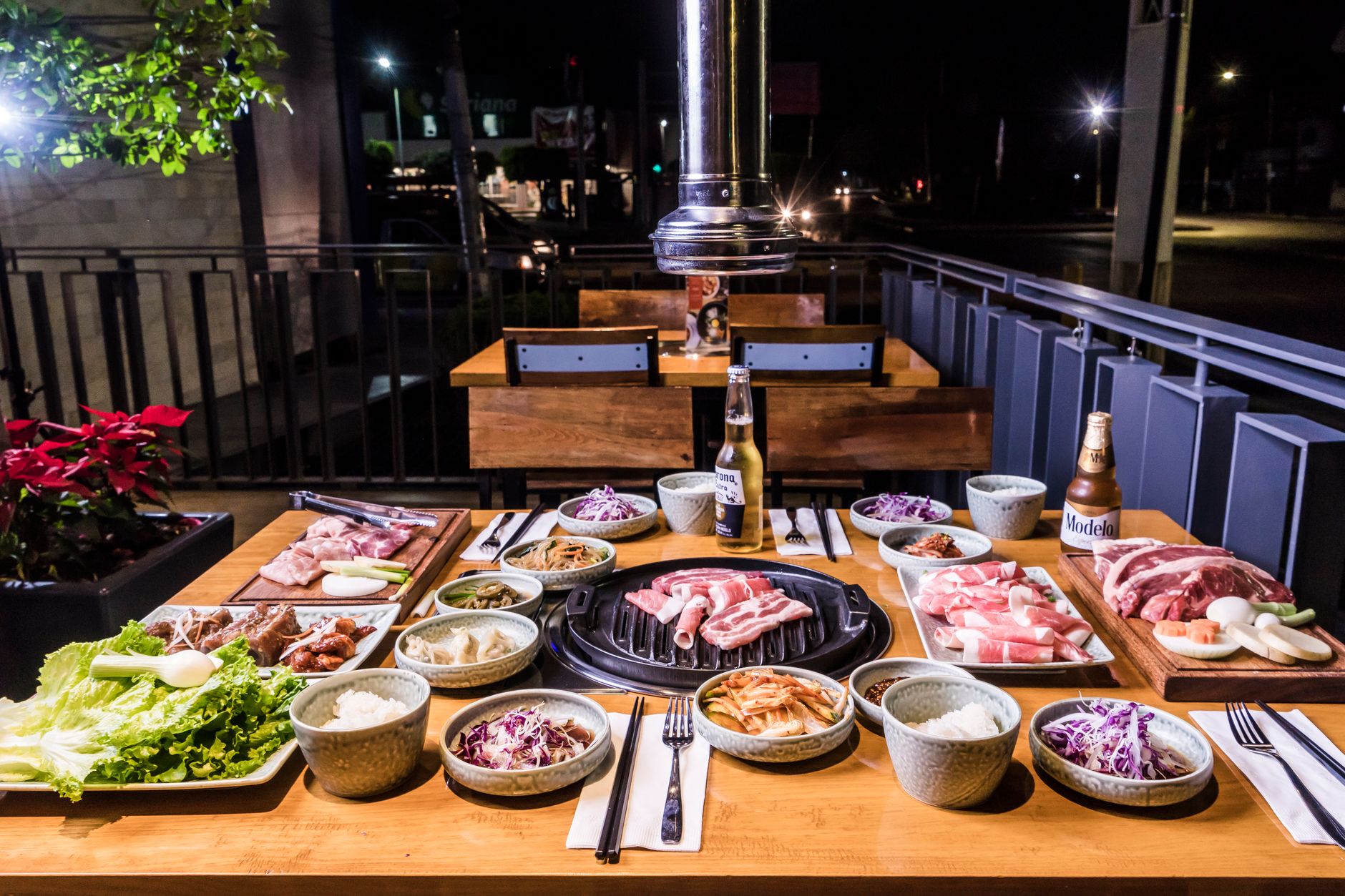
20 Sep 2026 · 9 min read
AYCE vs. a la carte Korean BBQ pricing in Koreatown, LA: what drives the bill, hidden costs, and real listings to compare.
Korean BBQ Los Angeles Koreatown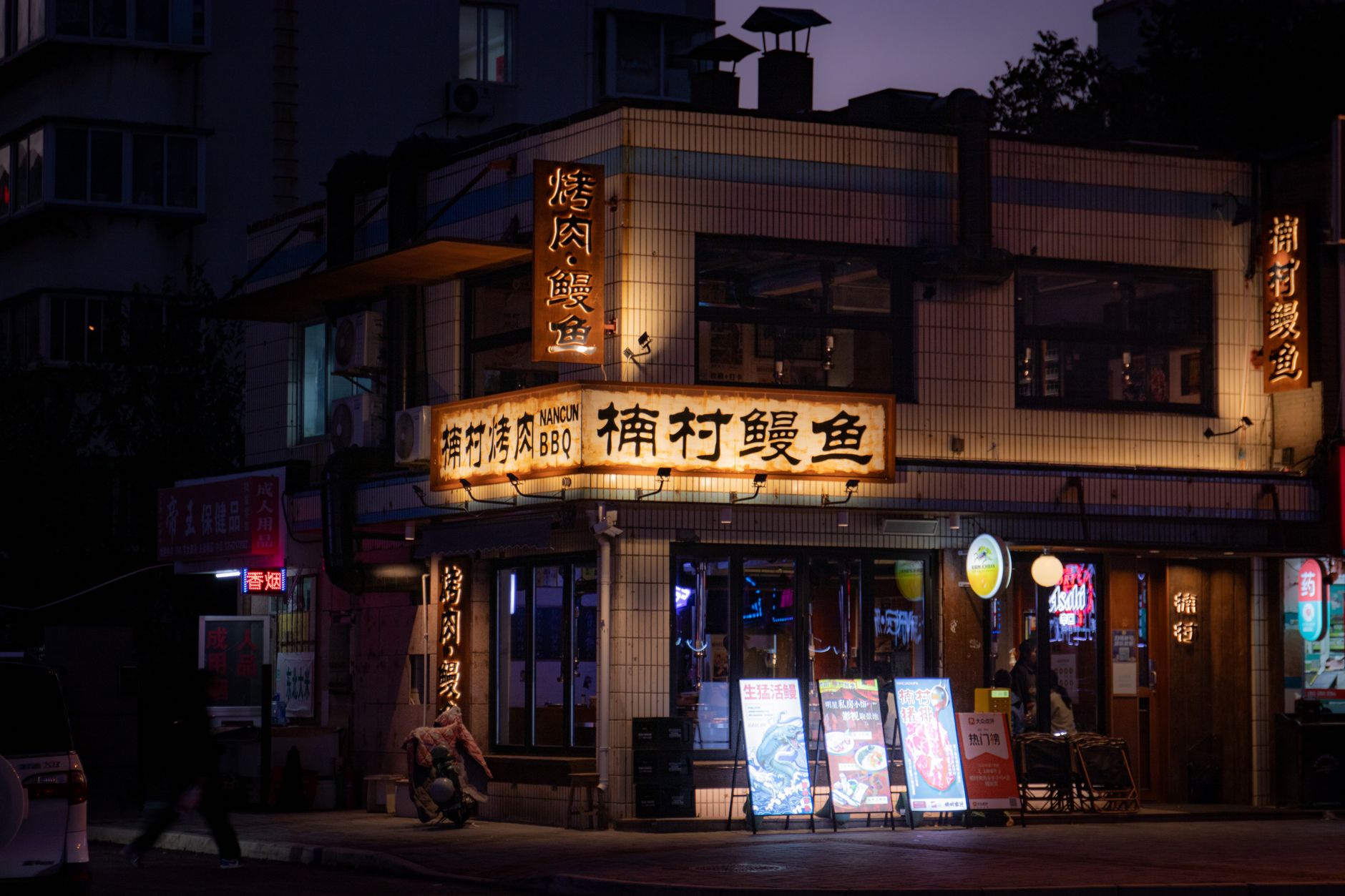
19 Sep 2026 · 8 min read
A cuisine-by-cuisine guide to Convoy District: ramen, Korean BBQ, Sichuan food, bubble tea, and how to plan a multi-stop food crawl.
San Diego Convoy District Korean BBQ