What Dim Sum for Two Really Costs in Philadelphia in 2026
06 October 2026 · 8 min read
Philadelphia's Chinatown Doesn't Get Enough Credit
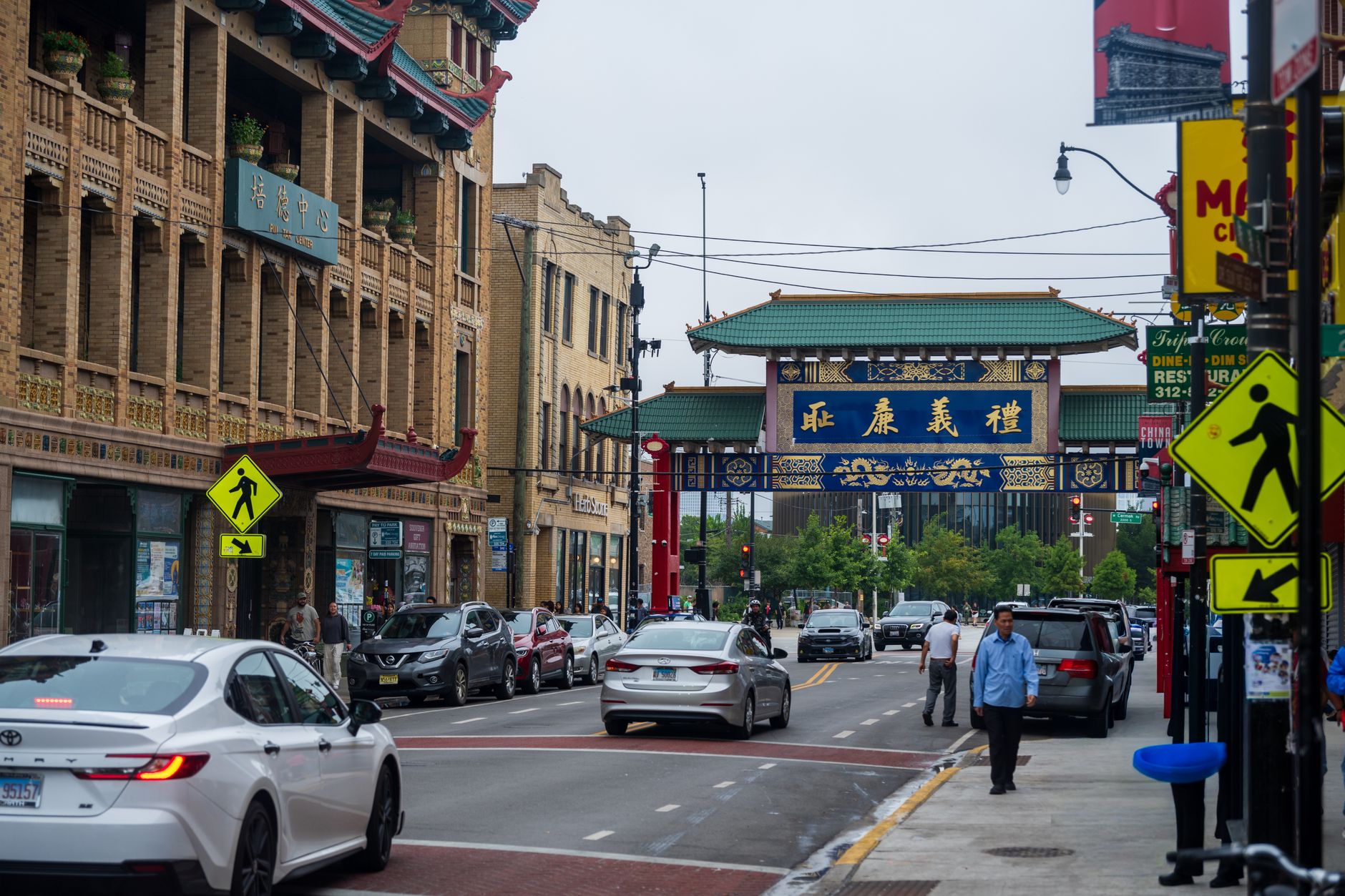
Philadelphia's Chinatown is one of the oldest continuously operating Chinatowns on the East Coast, centered on a few blocks of Race, Cherry, and Arch Streets just north of Market East. It's smaller than the Chinatowns in New York or San Francisco, but it's dense: within about four square blocks you'll find Cantonese roast meat counters, Shanghai-style dumpling houses, hot pot restaurants, bubble tea shops, and a steady flow of Chinese, Vietnamese, and Fujianese bakeries. Dim sum is one of the easiest ways to sample a lot of that range in a single sitting, which is also why it's a useful meal to budget for.
This guide walks through what actually drives a dim sum bill up or down for two people eating in Philadelphia's Chinatown and nearby listings, using real restaurants already in our directory. We're not publishing menu prices here — menus change often enough that a number printed today can be wrong by spring — but we'll point you to where to check current prices and explain the variables that matter more than any single dish's cost.
Why There's No Single "Dim Sum Price" in Philadelphia
Dim sum pricing isn't flat the way a prix-fixe menu is. Most Philadelphia Chinatown restaurants charge per dish, and dish sizes range from a few bites to a full plate meant for sharing. That means the final bill for two people is really a function of how many dishes you order, not a fixed per-person rate the way a buffet works. A couple who orders three small items and tea will pay far less than a group that orders eight dishes plus a bottle of wine, even at the same restaurant.
Dim Sum Garden on Race Street is a good example of why "dim sum" covers more ground than people expect. It's a Shanghai-style house rather than a Cantonese cart-service spot, built around xiao long bao (soup dumplings) and other dishes meant to be set in the middle of the table and shared, not ordered one-per-person. The restaurant also takes large party reservations for groups of 10 to 100, which tells you it's set up for both quick two-person lunches and bigger family gatherings — two very different bills from the same kitchen.
Cart Service vs. the Paper Order Sheet
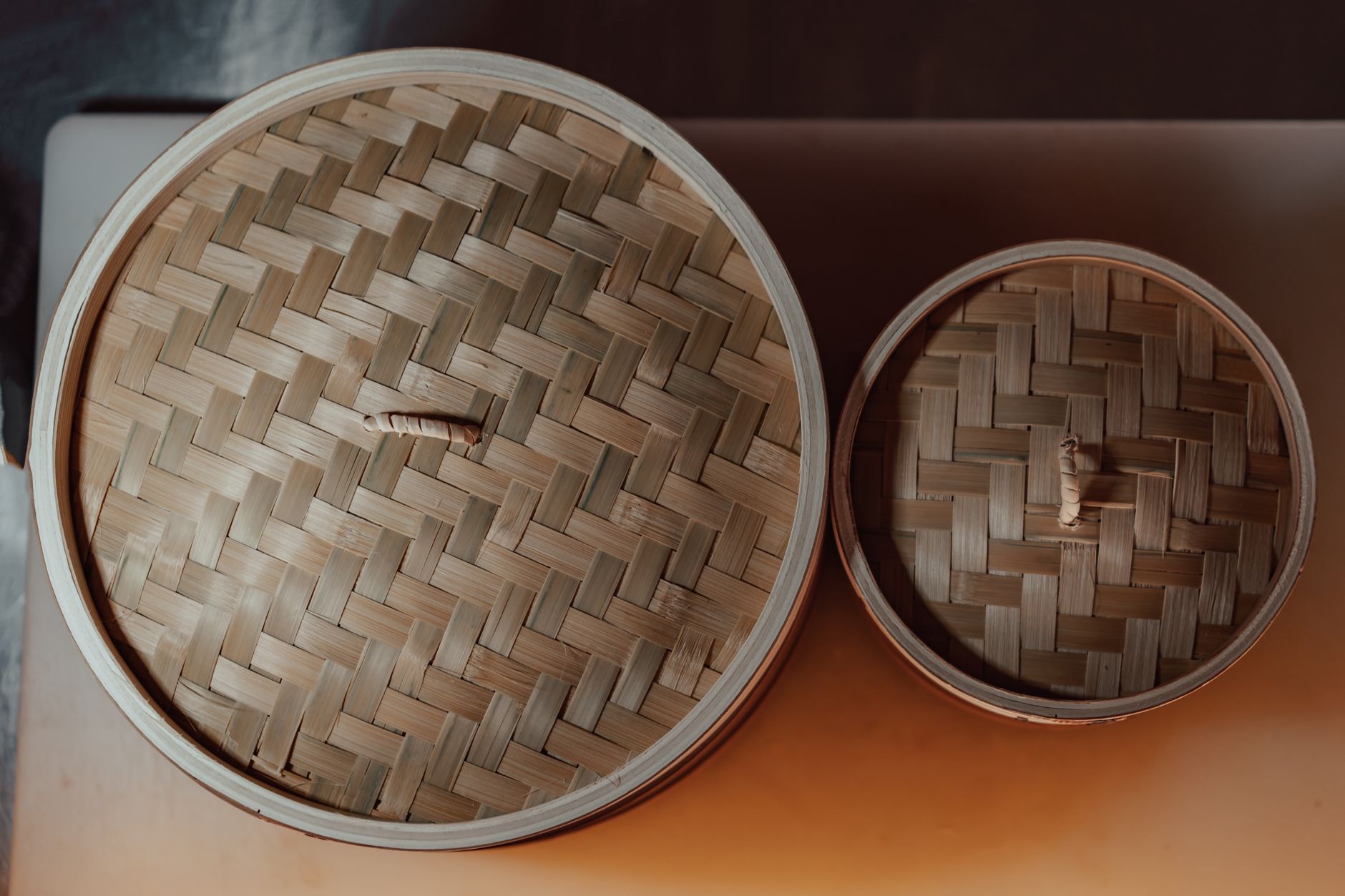
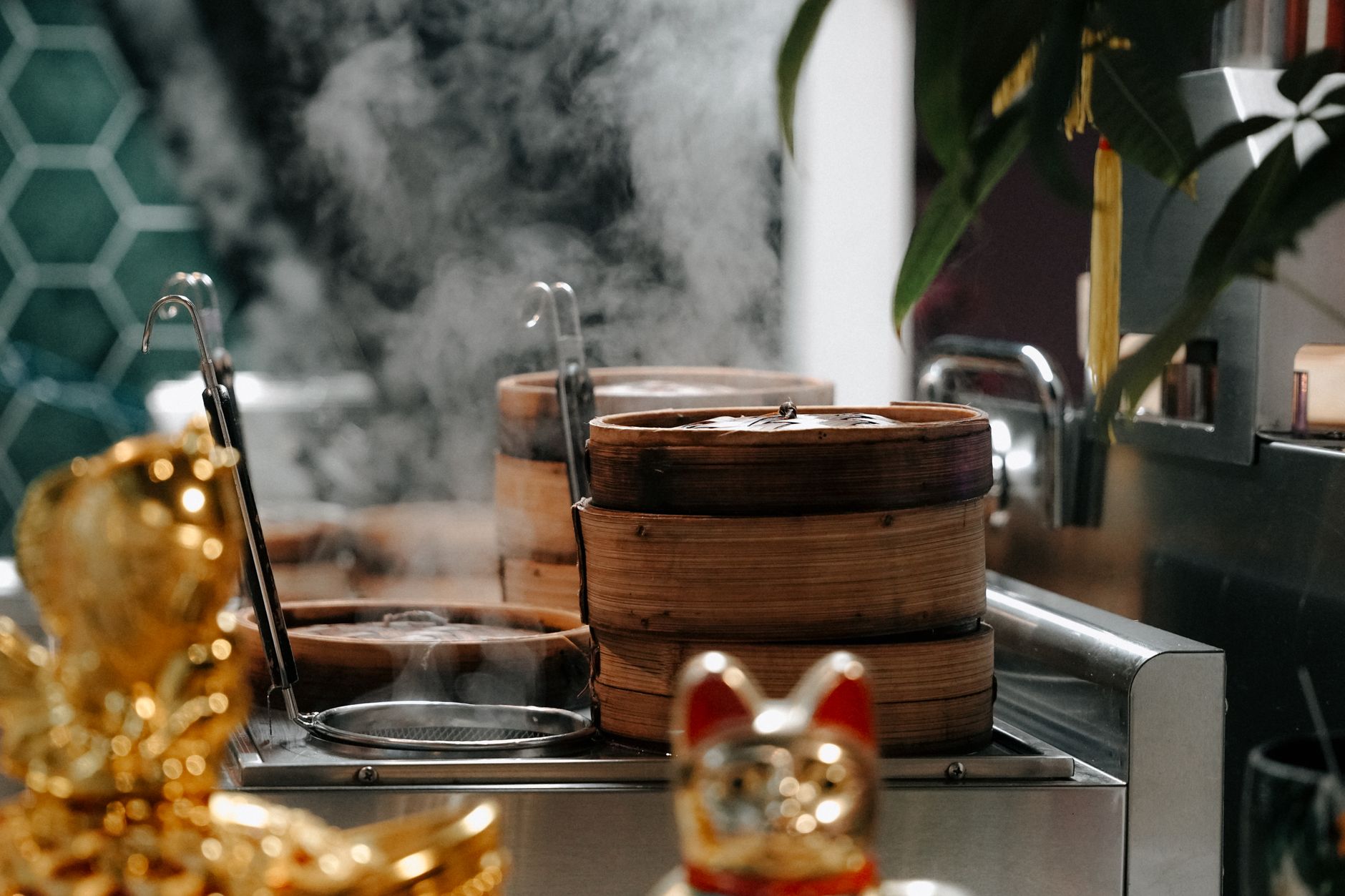
Traditional Cantonese dim sum uses rolling carts: servers wheel steamer baskets past your table and you point at what you want, with the bill tallied from how many stamps your order ticket collects. That model has gotten rarer across the country, replaced by a paper order sheet or a tablet where you check off dishes directly, which usually cuts down on wasted food and lets kitchens turn tables faster during a Saturday rush.
New Dim Sum Kingdom, right next door to Dim Sum Garden on Race Street, offers online ordering in addition to dine-in service, with extended hours that run later into the evening than most dim sum houses, which tend to wind down by early afternoon. That later closing time matters for cost planning too: a 7pm order from a dim sum restaurant may functionally be dinner pricing and portions rather than the lighter brunch pace most people associate with dim sum.
What Actually Moves the Bill for Two
A few variables matter more than which restaurant you pick:
Weekday vs. weekend. Saturday and Sunday mornings are when dim sum restaurants are busiest and most likely to be running at full menu and full staff, sometimes with a short wait. Weekday dim sum is typically calmer but a restaurant may run a reduced menu.
Dish count, not headcount. Two people who order four dishes and tea will spend less than two people who order seven dishes plus a specialty item like a whole roast duck or a lobster dish, categories that run well above standard dim sum plates almost everywhere.
Tea service. Most Cantonese-style dim sum houses charge a per-person tea fee, separate from food. It's small, but it's not always itemized clearly on an online menu, so it can be a minor surprise if you're budgeting tightly.
Tip and tax. Pennsylvania sales tax plus an 18-20% tip on a shared table bill adds up faster on dim sum than on a single entrée, simply because the subtotal is made of many small line items that each round up slightly.
Tom's Dim Sum, a few doors down on North 11th Street, is another sit-down option in the same stretch, rated 4.0 from over 1,500 Google reviews — useful context if you're comparing wait times and crowd size against the newer, higher-rated spots nearby rather than assuming rating alone tells you about price.
A Two-Person Order, Walked Through
Here's the practical version: for two people planning a real dim sum meal rather than a quick snack, four to six dishes is a common range — enough to taste variety without over-ordering. A typical mix might include one dumpling dish (shrimp or pork), one steamed bun, one rice or noodle dish, and one vegetable or soup, plus tea for both people. Add a specialty item — roast duck, a seafood dish, or a larger shared plate — and the bill moves into a higher bracket.
Nom Wah's Philadelphia location is part of a dumpling house lineage that traces back to a Doyers Street shop in New York operating since 1920, now with multiple outposts including fast-casual formats in some cities. That kind of brand history doesn't set the Philadelphia menu's prices, but it does mean the dishes on offer — dumplings and dim sum staples — are likely to be consistent with what the chain is known for elsewhere, which is useful if you've eaten at a sister location before and want to compare.
The only way to get an exact number for your table is to check the current menu on each restaurant's own site or ordering page before you go, since prices move with ingredient costs more often than most sit-down menus.
Chinatown visits rarely stop at one meal format. If dim sum is lunch, hot pot is often the dinner plan for the same group later in the trip, and boba is the in-between stop almost everyone makes regardless of what else is on the itinerary.
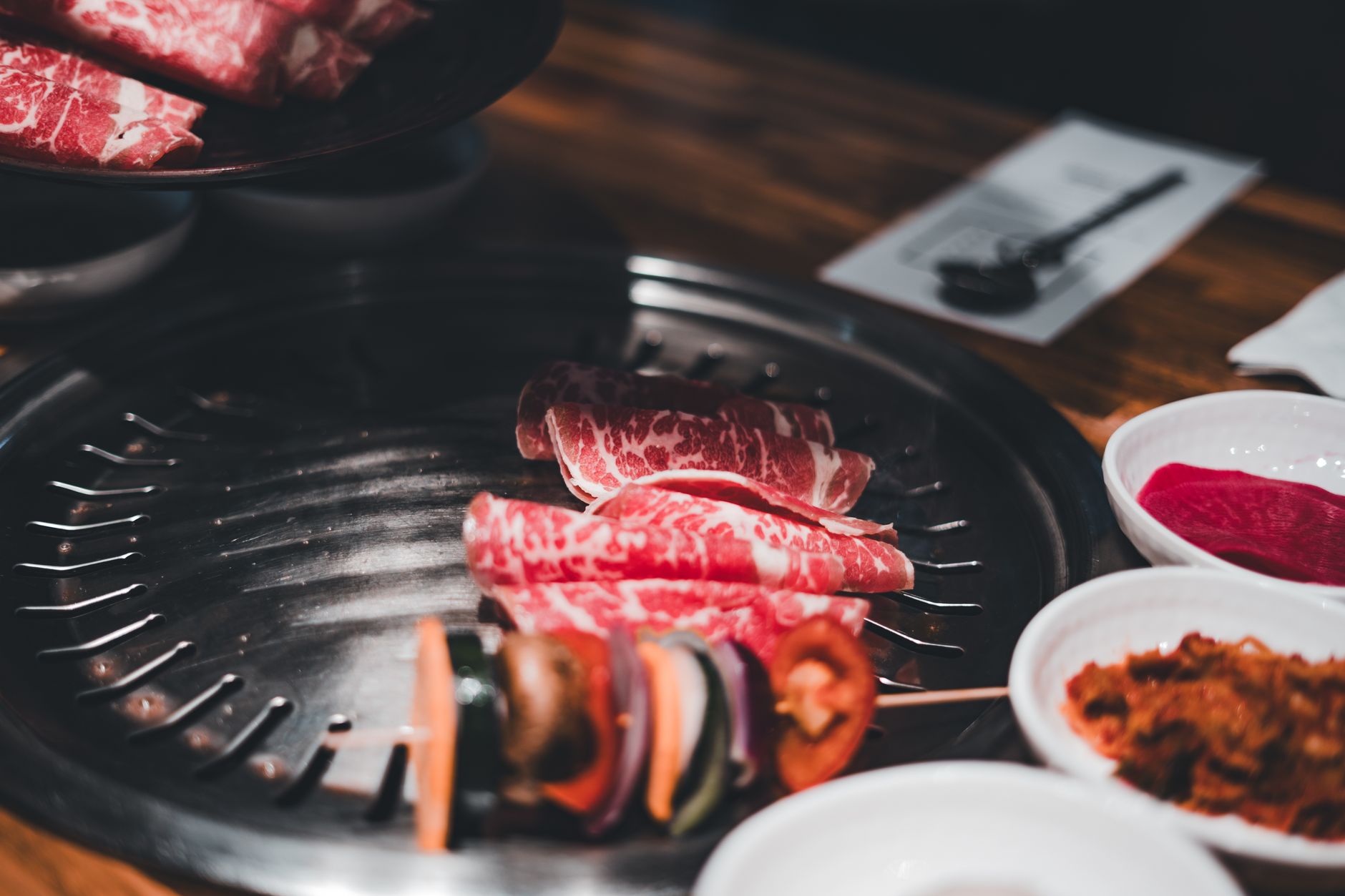
Kungfu Hotpot, on Cherry Street, is priced on a different model entirely — most hot pot restaurants charge per person for a broth base and then per item for meat, seafood, and vegetable add-ons, which makes it a poor direct comparison to dim sum's per-dish pricing but a reasonable second stop if your group wants a bigger, shared cooking experience rather than small plates.
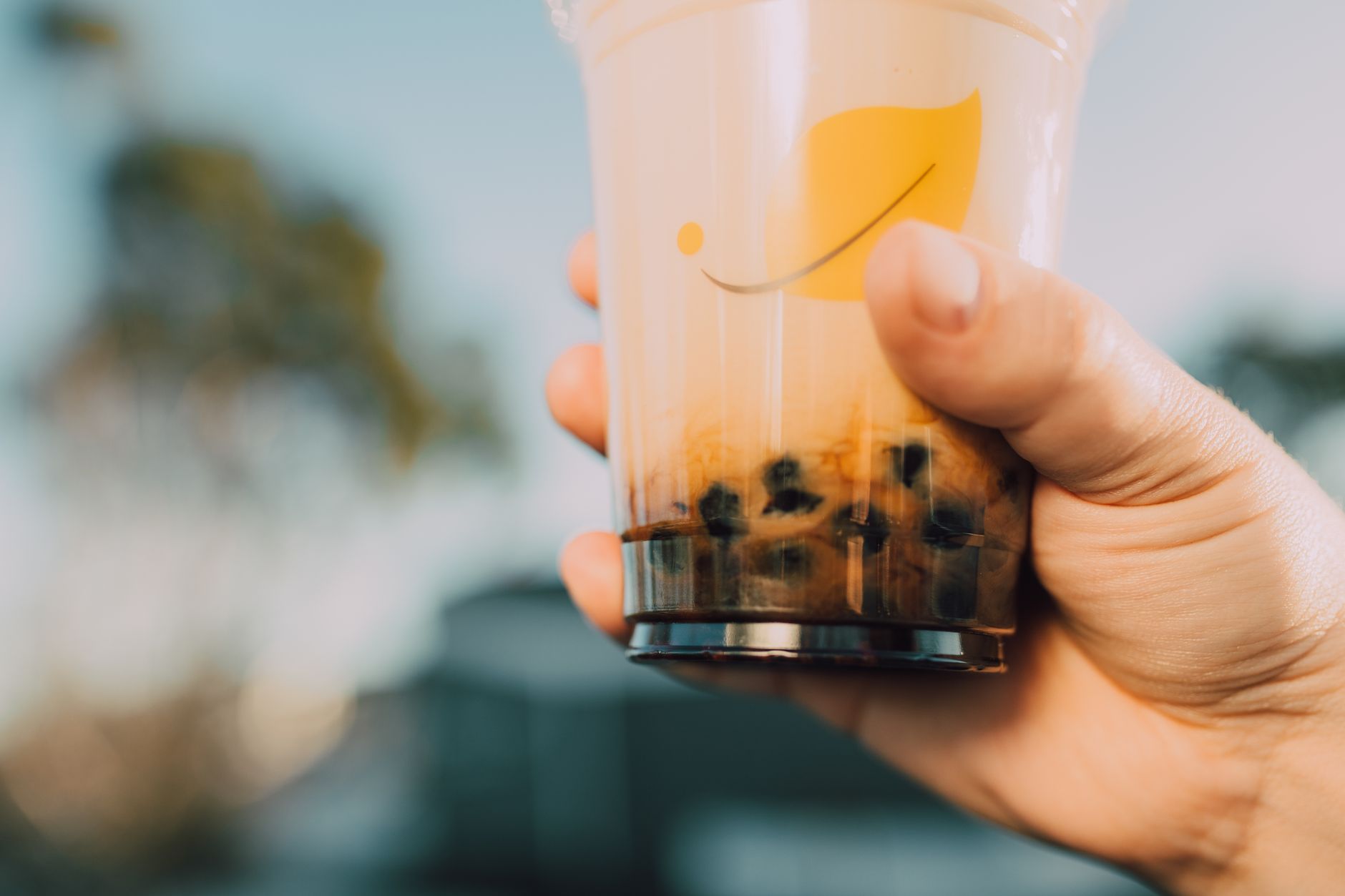
Gong Cha on Arch Street is one of several bubble tea options in the neighborhood, and a milk tea or fruit tea here runs on the standard boba-shop model: a base price per size, with add-ons like boba, pudding, or extra toppings each adding a bit more. It's a lower-stakes way to end a Chinatown visit without committing to another sit-down bill.
Reading Terminal Market, a short walk away on Arch Street, is a different kind of option entirely: a long-running, nonprofit-operated public market with dozens of independent food stalls under one roof, open daily from 8am to 6pm. It's not a Chinatown institution in the historic sense, but it's close enough to be a practical fallback if your group wants a faster, lower-commitment lunch than a full sit-down dim sum table — stall-by-stall ordering tends to run cheaper per person than a shared restaurant bill, since you're only paying for what you individually pick.
Philadelphia's Chinatown sits right next to the Pennsylvania Convention Center and a short walk from both Jefferson Station and the Market East transit hub, so SEPTA regional rail, the Market-Frankford Line, and most city bus routes all drop you within a few blocks. Street parking in the neighborhood is metered and genuinely scarce on weekends; a parking garage is usually a more reliable bet than circling for a spot if you're driving in from the suburbs. If you want a full sit-down dim sum table on a Saturday or Sunday around midday, arriving by 11:30am or calling ahead for a larger group is worth it — several of the restaurants above explicitly handle party reservations, which suggests they do get busy enough to need them.
The Takeaway
There's no fixed "dim sum price" in Philadelphia, but there is a predictable set of levers: how many dishes you order, whether you add a specialty plate, whether it's a weekend rush or a quiet weekday, and how you handle tea and tip. For a basic two-person order of four to six shared dishes plus tea, you're looking at a mid-range casual lunch rather than a splurge — but always confirm current menu prices directly on the restaurant's own site before you go, since none of the restaurants above publish fixed pricing that's safe to assume carries over from one season to the next. If the goal is just to taste a lot in one visit without picking a single restaurant, Reading Terminal Market remains the simplest fallback a few blocks away.