Thai Tea vs. Vietnamese Coffee vs. Hong Kong Milk Tea (2026)
13 October 2026 · 8 min read
Order a "milk tea" in the Bay Area and you could end up with three completely different drinks, depending on which counter you're standing at. Thai iced tea, Vietnamese cà phê sữa đá, and Hong Kong-style milk tea all land somewhere between tea, coffee, and dessert, and all three traditions are easy to find within a few miles of each other in San Francisco and Oakland. They get lumped together because they share the obvious traits — strong, sweet, served over ice, often with condensed or evaporated milk — but the base ingredient, the brewing method, and the cultural context behind each one are different enough that treating them as interchangeable leads to a disappointing order.
Part of the confusion is that all three got filtered through the same modern boba-shop aesthetic over the past couple of decades, so a menu board listing "Thai Tea," "Vietnamese Coffee," and "HK Milk Tea" as flavor options side by side makes them look like variations on one drink. They aren't. Each one developed in a different country, for a different reason, using different equipment, and each is still served in its original form at the restaurants and cafes that specialize in it rather than only as a boba-shop flavor. Here's what actually separates them, and where to try each one without guessing.
A Quick Note on Where Each One Comes From
Thai iced tea is closely associated with Thailand's street-food and roadside-restaurant culture, where strong-brewed tea over ice offered a cheap, cooling counter to a hot climate; it traveled to the United States largely through Thai restaurants, where it's still most commonly served as a food-menu drink rather than a cafe specialty. Vietnamese cà phê sữa đá has a different backstory tied to coffee cultivation introduced during the French colonial period — robusta beans grown in Vietnam's Central Highlands, brewed through a simple metal phin filter, sweetened with condensed milk because fresh dairy was historically harder to keep. Hong Kong milk tea grew out of the cha chaan teng, a casual diner format that emerged in Hong Kong in the mid-20th century serving a mix of Cantonese and Western-influenced comfort food, with pulled milk tea as its signature drink alongside dishes like baked pork buns and congee. None of the three were designed as dessert drinks; all three became associated with sweetness and ice mostly through how they're served today.
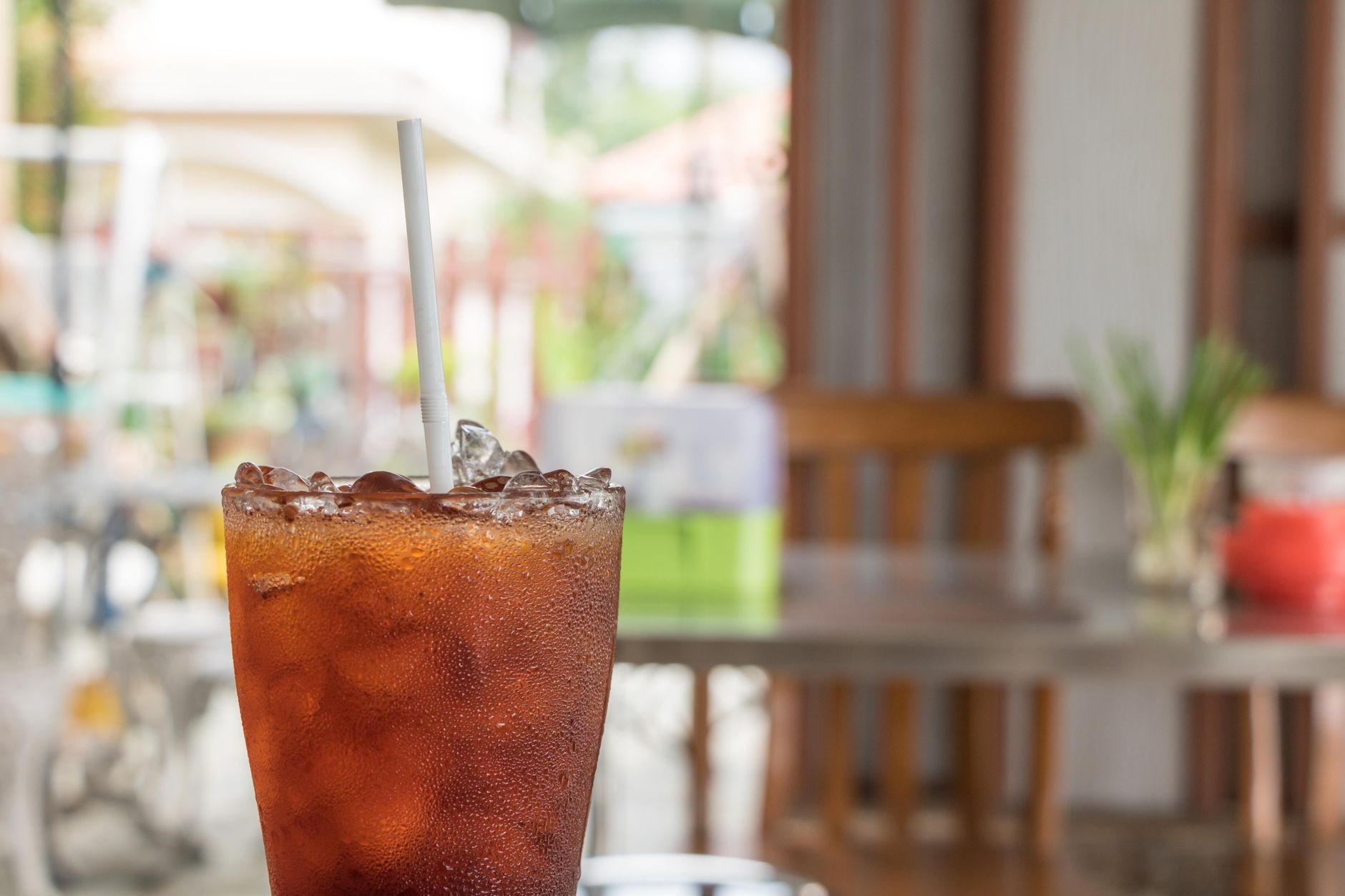
Thai iced tea, cha yen, starts as a black tea blend brewed strong, sometimes with star anise, tamarind, or orange blossom mixed in, which is what gives commercial versions their deep red-orange color (some shops use food coloring to the same effect, some don't). The tea is poured hot over ice and finished with sweetened condensed milk, evaporated milk, or both, creating the signature layered look before it's stirred. It's a tea-based drink first — the dairy is a finishing touch, not the main event, which is the opposite of how Vietnamese iced coffee works.
In San Francisco, Thai restaurants on and around Clement Street and in the Inner Richmond routinely have cha yen on the menu as a $4–$6 add-on to a meal rather than a standalone cafe item, which is a useful tell: if a "Thai tea" is listed as a drink on a Thai restaurant's food menu rather than a dedicated tea shop's drink menu, it's almost always made the traditional way rather than as a Thai-tea-flavored boba drink.
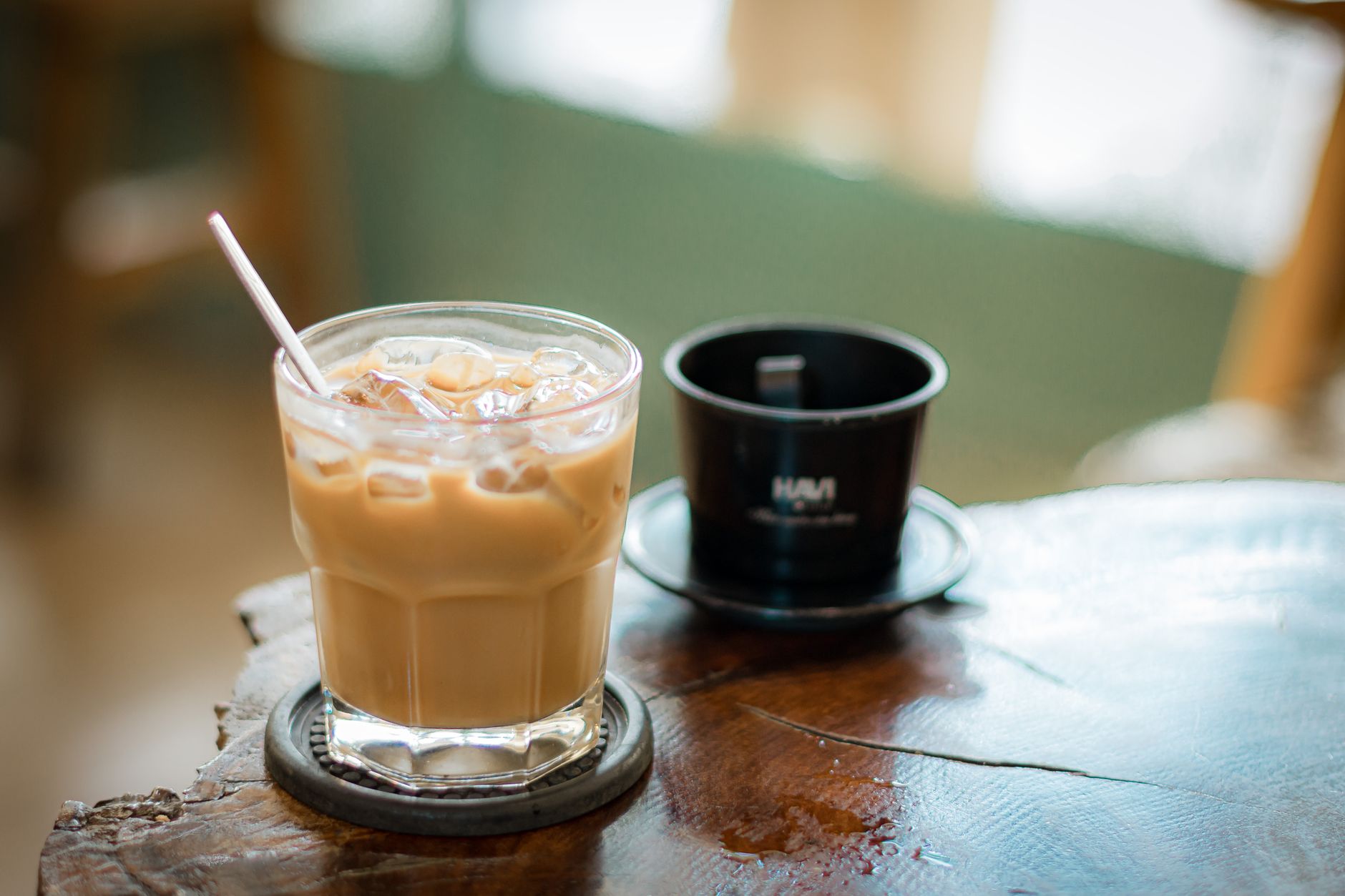
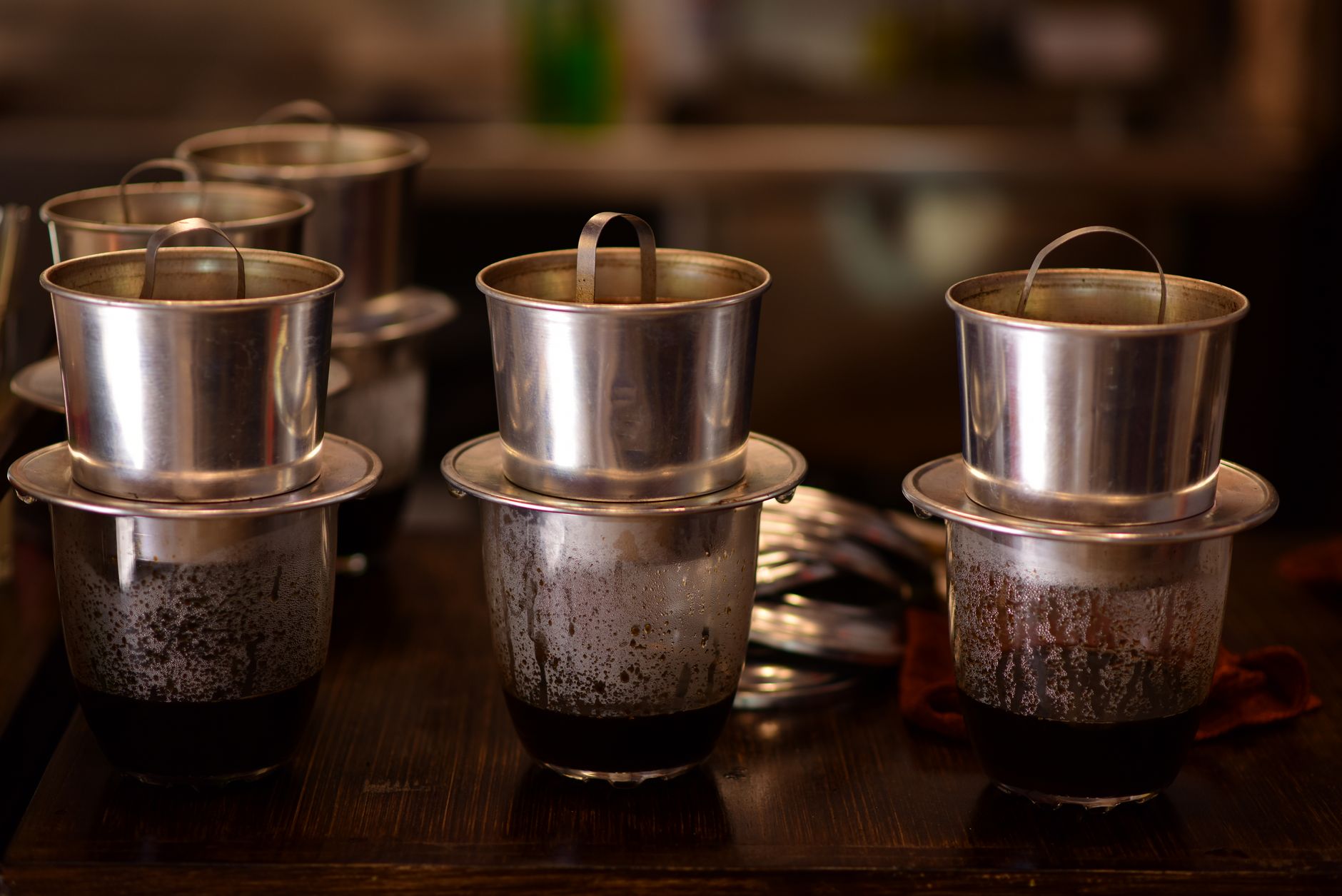
The most common mix-up is assuming Vietnamese iced coffee is a tea cousin of Thai iced tea because both show up dark, sweet, and milky. It isn't. Cà phê sữa đá starts with Vietnamese-style coffee, usually a dark-roast robusta blend, brewed slowly through a small metal phin filter directly over a glass with sweetened condensed milk already pooled at the bottom. The coffee drips for several minutes, gets stirred into the condensed milk, and is then poured over ice. The result is strong, bitter-forward, and far more caffeinated than Thai tea — closer to a sweetened espresso than to any tea drink.
Oakland's Vietnamese restaurants, concentrated around International Boulevard and the Eastlake and Fruitvale areas, generally serve cà phê sữa đá (iced) or cà phê sữa nóng (hot) as a $3–$5 side order with lunch or dinner, brewed to order with the phin filter left sitting on top of the glass. Some of the same restaurants also serve trà sữa (milk tea) or trà đá (iced tea) as separate items — worth specifying "cà phê," not just "iced tea," if coffee is what you're after.
Hong Kong-Style Milk Tea Is a Cha Chaan Teng Tradition
Hong Kong milk tea, or "cha," comes out of the cha chaan teng (Hong Kong-style diner/cafe) tradition and uses a blend of several black teas steeped until strong, then combined with evaporated milk rather than condensed milk as the primary dairy (some versions use both). The defining technique is "pulling" the tea — straining it repeatedly through a fine cloth bag, which aerates it and produces a smoother, less tannic texture than a straight steep would give. Order "yuenyeung" at a Hong Kong-style cafe and the kitchen will mix that same milk tea half-and-half with coffee, a combination that doesn't really exist in the Thai or Vietnamese traditions.
San Francisco's Hong Kong-style cafes cluster in Chinatown and the Sunset District, usually serving milk tea hot or cold alongside a full cha chaan teng menu of baked pork buns, congee, and Western-Chinese fusion dishes like Hong Kong-style French toast. Oakland's Chinatown has its own small cluster of these cafes as well, where milk tea functions as a $3–$4 beverage rather than a specialty drink-shop item.
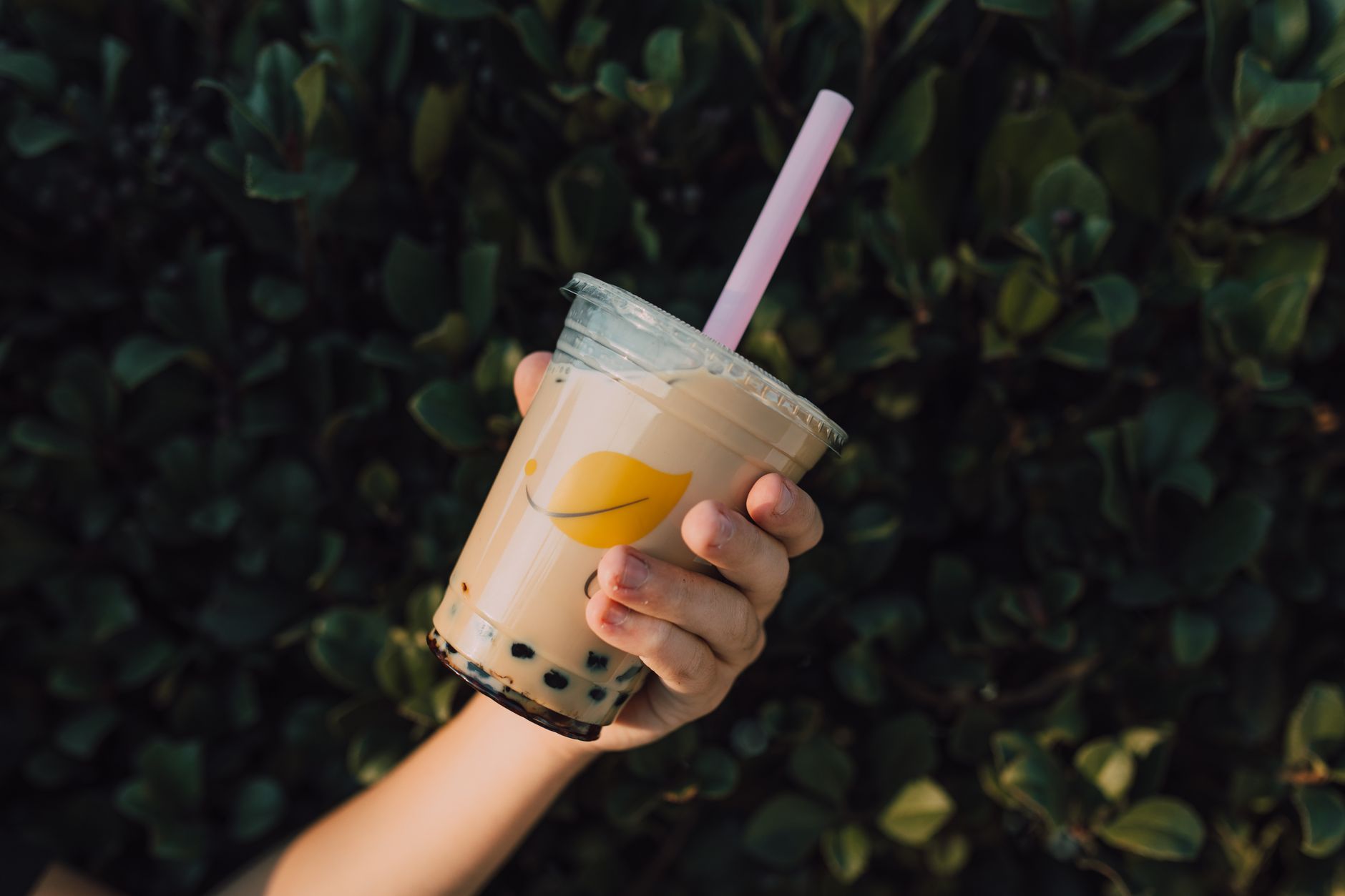
Modern bubble tea and boba shops are a separate, newer category layered on top of all three traditions. These Taiwanese-style tea shops start from a tea or milk-tea base — sometimes genuinely brewed, sometimes a powdered mix — and build on it with tapioca pearls, fruit jellies, cheese foam, or flavor syrups that none of the older cha chaan teng, Thai restaurant, or Vietnamese cà phê traditions use. A shop advertising "Thai tea boba" or "HK-style milk tea boba" is borrowing the flavor profile of the original drink and applying modern boba-shop format and pricing (typically $5–$7) rather than serving the traditional version.
Steeped, then strained ("pulled") through a cloth bag
Typical setting
Thai restaurant menu item
Vietnamese restaurant side order
Cha chaan teng / Hong Kong-style cafe
Caffeine character
Moderate, tea-forward
Strong, coffee-forward
Moderate to strong, tea-forward
Signature variant
—
Cà phê sữa nóng (hot version)
Yuenyeung (mixed with coffee)
Prices vary by shop and season, so check current menus rather than assuming any of the figures above are fixed.
How to Order Each One Without Guessing
At a Thai restaurant, ask for "Thai iced tea" or "cha yen" specifically if you want the traditional version — some menus list it simply as "Thai tea," which is the same thing. At a Vietnamese restaurant, "cà phê sữa đá" gets the iced milk coffee; "cà phê đen đá" drops the milk for black iced coffee; "nâu đá" is a shorthand some menus use for the same milk-coffee combination. At a Hong Kong-style cafe, "milk tea" alone usually gets the standard version, while "yuenyeung" gets the coffee-tea blend — if the counter also sells boba-style drinks, clarify "the hot kitchen one" or point at the food menu rather than the drink-shop board to make sure you're getting the cha chaan teng version rather than a flavored boba tea.
Dine-in versus takeout matters here too: Thai and Vietnamese restaurants typically make these drinks to order alongside a meal, so expect a short wait if the kitchen is busy, while dedicated tea and boba shops are set up for faster counter service and takeout cups. None of these drinks typically require reservations, and most of the restaurants and cafes mentioned here are casual, walk-in spots suitable for a quick solo stop or a group after a meal.
A Concrete Takeaway
If a menu or shop lumps "Thai tea," "Vietnamese coffee," and "Hong Kong milk tea" together as flavor options on one boba menu, that's a modern tea shop riffing on all three — fine on its own terms, but not the same experience as the original. For the traditional versions, go to the source: a Thai restaurant for cha yen, a Vietnamese restaurant or cà phê counter for cà phê sữa đá, and a Hong Kong-style cha chaan teng for pulled milk tea or yuenyeung. San Francisco's Richmond, Sunset, and Chinatown neighborhoods and Oakland's Chinatown and International Boulevard corridor all have working examples of each tradition within a short drive of one another, which makes the Bay Area one of the more direct places in the country to taste the difference side by side rather than take it on faith.
Berkeley doesn't have one Chinatown or one Koreatown. Its Asian food scene is strung along four parallel corridors instead — University Avenue, Shattuck Avenue…
BerkeleyBay AreaNeighborhood Guide
Welcome to Local Chinese FoodsLet me help you find a great Asian meal today!