

16 Sep 2026 · 10 min read
How to Order Dim Sum Like a Regular in Los Angeles (2026)
A practical San Gabriel Valley dim sum guide: carts vs. order sheets, tea etiquette, tipping, parking, and where to start.
dim sum los angeles san gabriel valley16 September 2026 · 10 min read
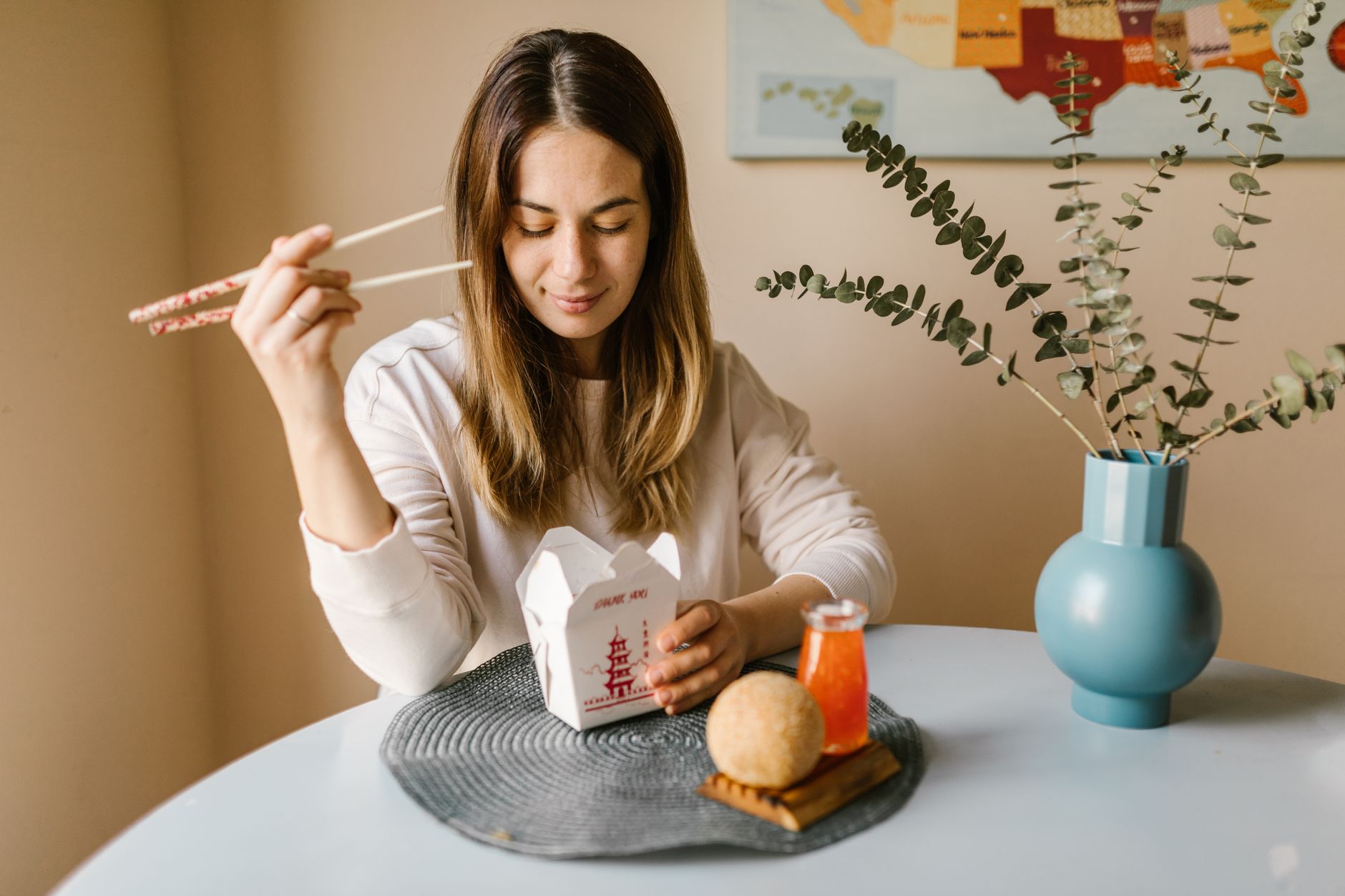
Ask five people in Alabama what "Chinese takeout for four" costs and you'll get five different answers, and all five could be right. A family picking up lunch specials on a Tuesday spends nowhere near what a family orders through a delivery app on a Friday night, and a buffet dinner is a completely different math problem from a la carte combination plates. The category isn't priced like a single menu — it's priced like four or five overlapping menus stacked on top of each other, and most of the swing between a cheap night and an expensive one comes down to which of those menus you accidentally ordered from.
Alabama's Chinese and Asian restaurant scene is large enough — well over 300 listings across the state on this directory, from big-city strip-mall staples in Birmingham to small-town institutions in the Wiregrass and the Shoals — that there's no single "going rate." What follows isn't a price list, because menu prices change restaurant to restaurant and month to month; check current prices directly with the restaurant you're ordering from. It's a breakdown of the levers that actually move the total, so you can look at any receipt and understand why it landed where it did.
The single biggest reason two families report wildly different totals for "the same order" is time of day. Lunch specials at most Chinese restaurants are built around a smaller portion of one entree, a scoop of fried rice or lo mein, and sometimes a spring roll or soup, priced as a package deal that's meaningfully cheaper than ordering the same entree off the dinner menu. That pricing exists because lunch specials are a volume play — restaurants want to fill tables and phone lines between roughly 11 a.m. and 2:30 p.m., and they discount portion size and side dishes to do it.
Order the identical dish at 7 p.m. and you're typically getting the full dinner portion, no bundled rice, and no lunch-only price. For a family of four ordering dinner, that usually means four full entrees, or a mix of entrees plus shareable sides, rather than four lunch-special boxes. The gap between a lunch order and a dinner order for the same restaurant, same dishes, can easily be a third or more of the total — which is why "we got takeout from the same place last week and it was so much cheaper" is almost always a lunch-vs-dinner comparison, not a price increase.
Family and combination dinners split the difference in the other direction. Most Chinese restaurants offer a "family dinner" or "combination dinner" menu section — pick one soup, one appetizer, and two or three entrees, portioned to feed three to five people, at a bundled price that undercuts ordering the same items separately. If you're feeding four people and don't have strong individual preferences, this is consistently the best value path on the menu, because the restaurant is pricing the bundle to move more food per ticket, not to maximize margin on any single dish.
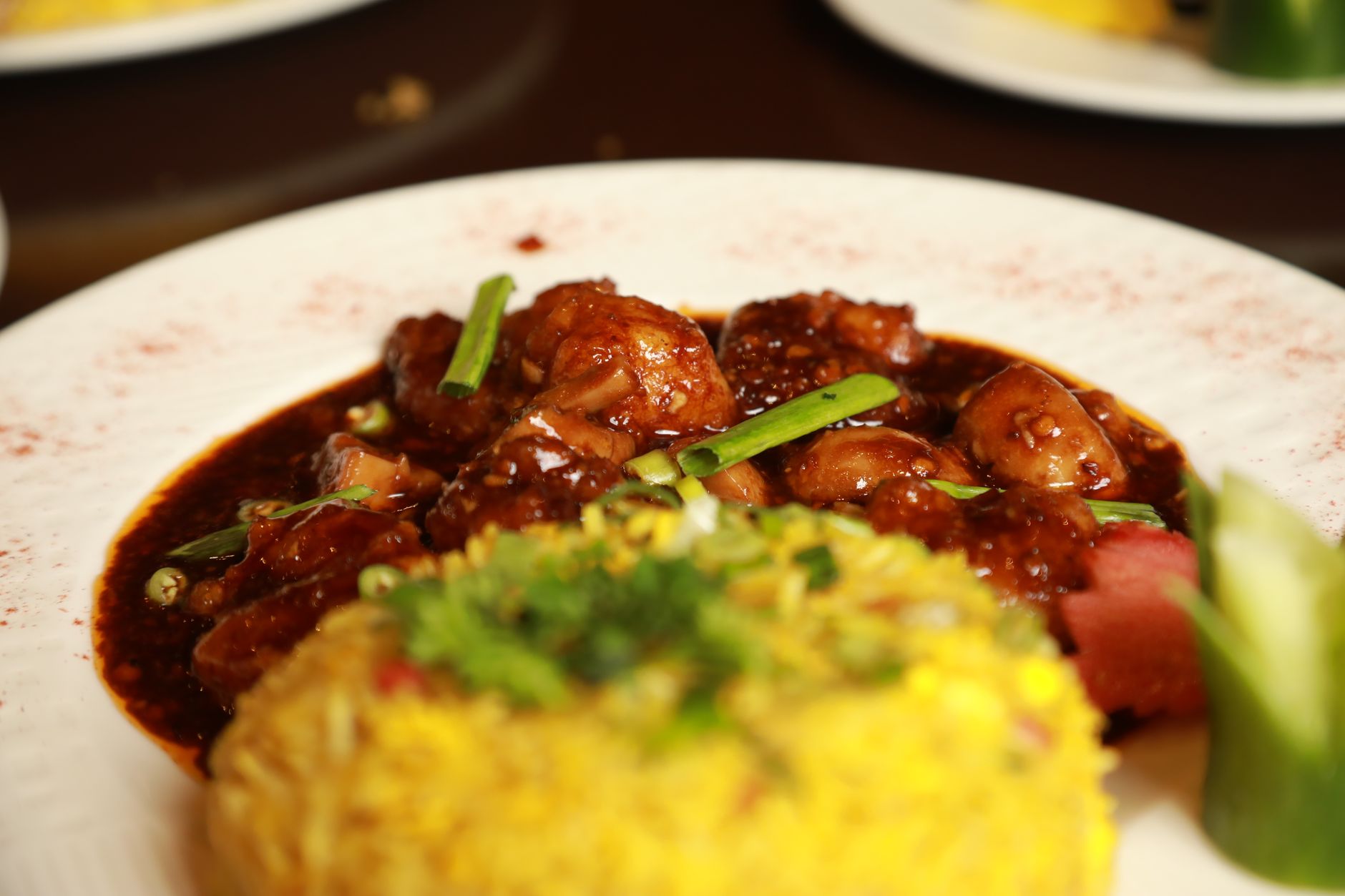
Photo by Montage Art Media on Pexels
Buffets flip the entire pricing model. Instead of paying per dish, you pay a flat per-person price (often with a lower price for kids, and sometimes a different price for lunch vs. dinner buffet hours) and eat as much or as little as you want. For a family of four, a buffet total is close to arithmetic: adult price times two, kid price times two, plus drinks and tax. There's no guessing about portion sizes or how many entrees to order — the tradeoff is that you're paying for access to a large spread rather than for specific dishes, and the per-person price doesn't flex down if your kids only eat two things off it.
Chinese Restaurants · Dothan, Alabama
Chow King Grill & Buffet in Dothan is a good example of how that model works in practice — it's set up as a buffet-style Chinese restaurant with lunch and dinner hours seven days a week, so a family can walk in without reservations and know roughly what the per-person cost will be before they sit down, rather than adding up a check line by line.
À la carte ordering, by contrast, rewards families who know what they want. If everyone in the house has a go-to dish, ordering four individual entrees (or two large entrees to split plus rice and an appetizer) a la carte can come in cheaper than a buffet, especially at lunch. It punishes indecision, though — extra appetizers, an extra side of rice, and a couple of drinks add up fast, and it's easy to accidentally order buffet-level food volume at a la carte prices.
Where you eat and how you order changes the bill even when the food itself is identical. The table below lays out what's typically included in each ordering method and where the extra costs tend to show up — in words and ranges rather than invented dollar figures, since actual menu prices vary restaurant to restaurant.
| Scenario | What's typically included | Where extra costs show up |
|---|---|---|
| Dine-in | Table service, free tea or water at many restaurants, fortune cookies, no packaging cost | Dine-in tipping (service industry norm is roughly 15-20% for full table service), drinks ordered beyond free refills, appetizers ordered "just because you're already there" |
| Pickup (calling direct) | Menu price as listed, no delivery markup, often a small discount or rounding in your favor since no card-processing fee on cash | Sales tax added at checkout, an optional tip line that's easy to skip but appreciated for large or complex orders, drinks usually not included |
| Delivery app (DoorDash, Uber Eats, Grubhub) | Convenience of ordering from your phone, real-time tracking, no driving | Menu prices on the app are frequently marked up versus calling the restaurant directly, a service fee on top of the subtotal, a delivery fee that varies by distance and demand, plus a suggested tip for the driver — combined extras can push the total well above the in-store menu price for the same dishes |
| Buffet | Unlimited plates during your visit, flat per-person pricing, kids' pricing at most locations | Drink refills sometimes charged separately from the buffet price, tipping still expected for table bussing and drink service even though it's self-serve food, per-person price doesn't drop for light eaters |
Delivery apps stack multiple costs that don't exist when you call a restaurant directly. App menu prices are commonly higher than in-store prices, since restaurants often build the app's commission into the listed price. On top of that marked-up subtotal, apps add a service fee and a delivery fee that both move with distance and demand, then prompt for a driver tip on top. None of that is unique to Alabama, but it means a family that defaults to app ordering out of habit is often paying meaningfully more than the same family calling the restaurant and picking the order up.
Sales tax is the one line item that's easy to forget until the total on screen doesn't match the menu math you did in your head. Alabama's state sales and use tax rate on prepared restaurant food is 4%, separate from the state's lower rate on grocery items bought for home cooking — restaurant meals and hot, ready-to-eat food don't qualify for the reduced grocery rate, so they're taxed at the full state rate. On top of that state rate, cities and counties add their own local sales tax, and Alabama has some of the highest local add-on rates in the country. The Tax Foundation's 2026 data puts Alabama's average combined state-and-local sales tax rate at roughly 9.46%, and depending on the specific city and county, the total can run close to 11%.
Practically, that means a family dinner that looks like it costs a clean round number on the menu can end up 9-11% higher once tax is applied, before any tip or delivery fee. It's worth checking your specific city's combined rate if you're budgeting closely, since it varies by ZIP code across Alabama rather than being one flat statewide number, and it applies whether you dine in, order pickup, or order delivery.
Tipping etiquette shifts depending on how much labor is actually involved in getting food to you. Full-service dine-in follows standard restaurant norms — a server is taking your order, refilling drinks, and checking in, so the general 15-20% guideline that applies to sit-down restaurants nationwide applies here too. Delivery, whether through a driver employed by the restaurant or a third-party app, involves someone driving to your door, so tipping there follows delivery norms rather than dine-in norms, and most drivers rely on tips as a meaningful share of what they earn per run.
Caterers & Food Delivery · Huntsville, Alabama
Pickup sits in a gray area that trips people up. You're not receiving table service and nobody drove to your house, so pickup doesn't carry the same tipping expectation as dine-in or delivery — but many pickup counters now have a tip screen built into the card reader anyway. It's genuinely optional at pickup, though tipping something for a large or last-minute order is a reasonable courtesy, especially at smaller family-run spots. For bigger events — a birthday spread or an office lunch — some Alabama restaurants and caterers, like China's Creations in Huntsville, build catering and food delivery directly into what they offer, worth asking about if you're feeding more than a family of four.
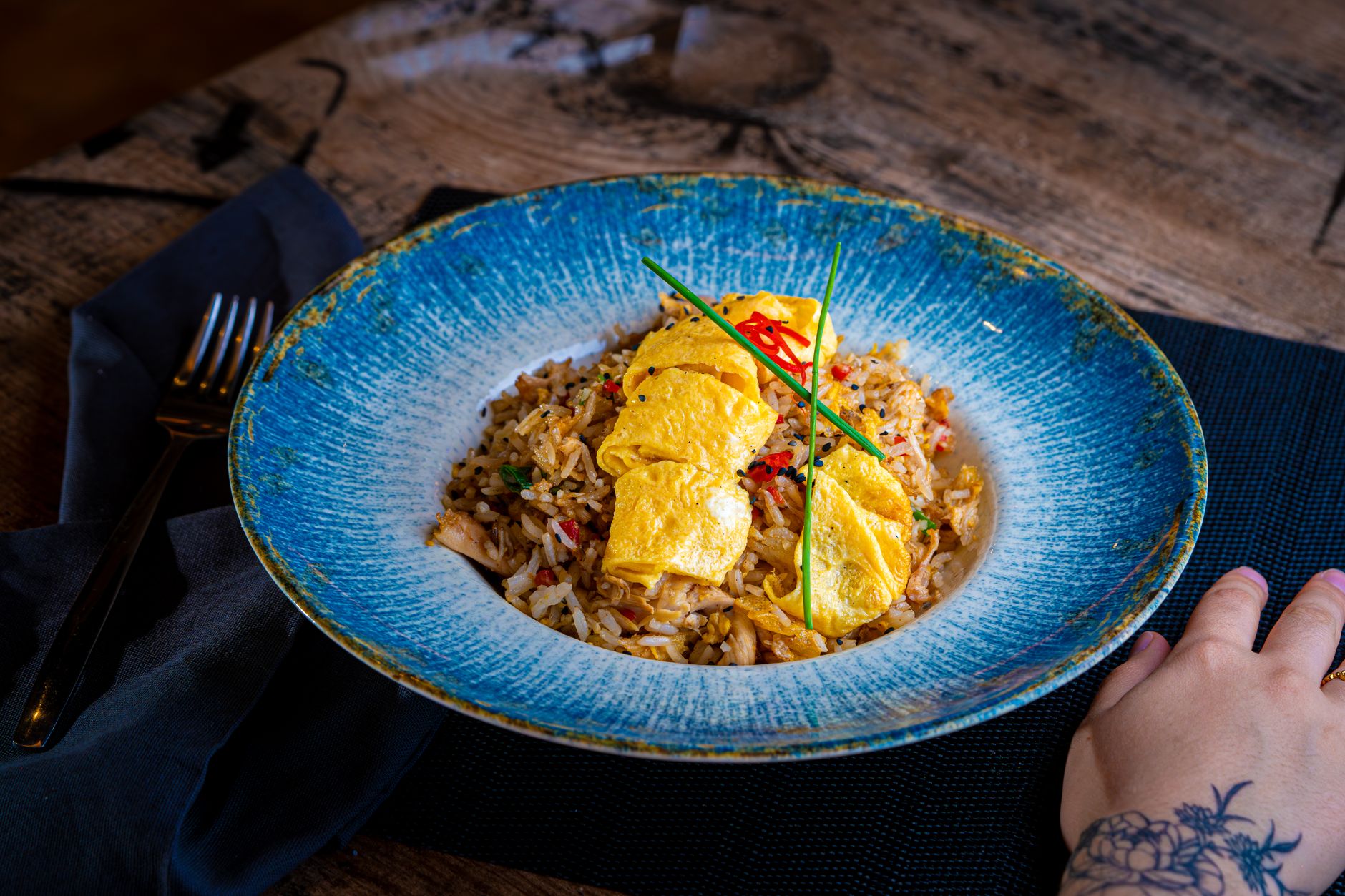
Photo by Nano Erdozain on Pexels
None of the numbers above account for the fact that Chinese takeout, more than almost any other cuisine, tends to generate leftovers that get eaten as a second meal. A family dinner order sized for four often produces enough fried rice, lo mein, or a second entree to cover someone's lunch the next day, which quietly lowers the effective cost per meal even though the receipt total looked steep at checkout. Buffet trips don't have this advantage — you can't box up "unlimited" — which is one more reason buffets and a la carte or family-dinner ordering aren't directly comparable on price alone. If minimizing total cost per meal matters more to your household than minimizing the number on tonight's receipt, ordering slightly more than you'll eat in one sitting from an a la carte or family-dinner menu, rather than defaulting to a buffet, is usually the better trade.
Chinese Restaurants · Birmingham, Alabama
If you're deciding where to order from, the honest answer is that Alabama has enough Chinese restaurants that the best approach is picking two or three near you and comparing menus directly rather than assuming one pricing structure applies statewide. In Birmingham, Magic Wok and China Master are both established, well-reviewed options with weekday hours built around lunch and dinner service. In Dothan, Great China and Chow King Grill & Buffet sit at opposite ends of the a-la-carte-vs-buffet divide described above, so comparing their two pricing models side by side is a good way to see the difference in person.
Chinese Restaurants · Dothan, Alabama
Further north, Mr. Hui's Peacock Express in Florence and Chongwah Express in Gadsden are both solidly rated neighborhood options worth checking if you're in the Shoals or Etowah County rather than driving into a bigger city for dinner.
Chinese Restaurants · Florence, Alabama
Chinese Restaurants · Gadsden, Alabama
Chinese Restaurants · Birmingham, Alabama
There's no single price for "Chinese takeout for four" in Alabama, and treating it like there is one will keep surprising you at checkout. The real variables are: lunch specials versus dinner portions, a la carte versus a family/combination dinner versus a flat-rate buffet, calling the restaurant directly versus ordering through a delivery app that marks up menu prices and stacks service and delivery fees on top, whether you're dining in (tip like a restaurant) or picking up (tip is optional but appreciated) or getting delivery (tip like delivery), Alabama's roughly 9-11% combined sales tax on prepared food depending on your city, and whether the order is sized to produce a second meal's worth of leftovers. Add those up in the right order for how your family actually eats, and the number on the receipt stops being a surprise and starts being something you can plan around.
16 Sep 2026 · 10 min read
A practical San Gabriel Valley dim sum guide: carts vs. order sheets, tea etiquette, tipping, parking, and where to start.
dim sum los angeles san gabriel valley
16 Sep 2026 · 9 min read
A 2026 guide to Chico's Chinese, Japanese, Thai and Vietnamese spots by neighborhood: downtown, Mangrove Ave, the Esplanade and Cohasset Rd.
Chico California Chinese food