How to Order Dim Sum Like a Regular in Los Angeles (2026)
16 September 2026 · 10 min read
Dim sum in Los Angeles is not one meal, it is a whole Saturday morning ritual, and the San Gabriel Valley is where Angelenos actually go to eat it. If your only experience is a cart squeaking past a downtown banquet hall, or you have never sat down at all because the whole thing feels like a closed-door club, this guide walks through what actually happens at the table: how to order, how tea works, how the bill gets counted, and where to point your car once you are ready to try it for real. None of this is complicated once you have done it once. It is just a set of small, specific habits, and once you know them you order like a regular instead of pointing and hoping.
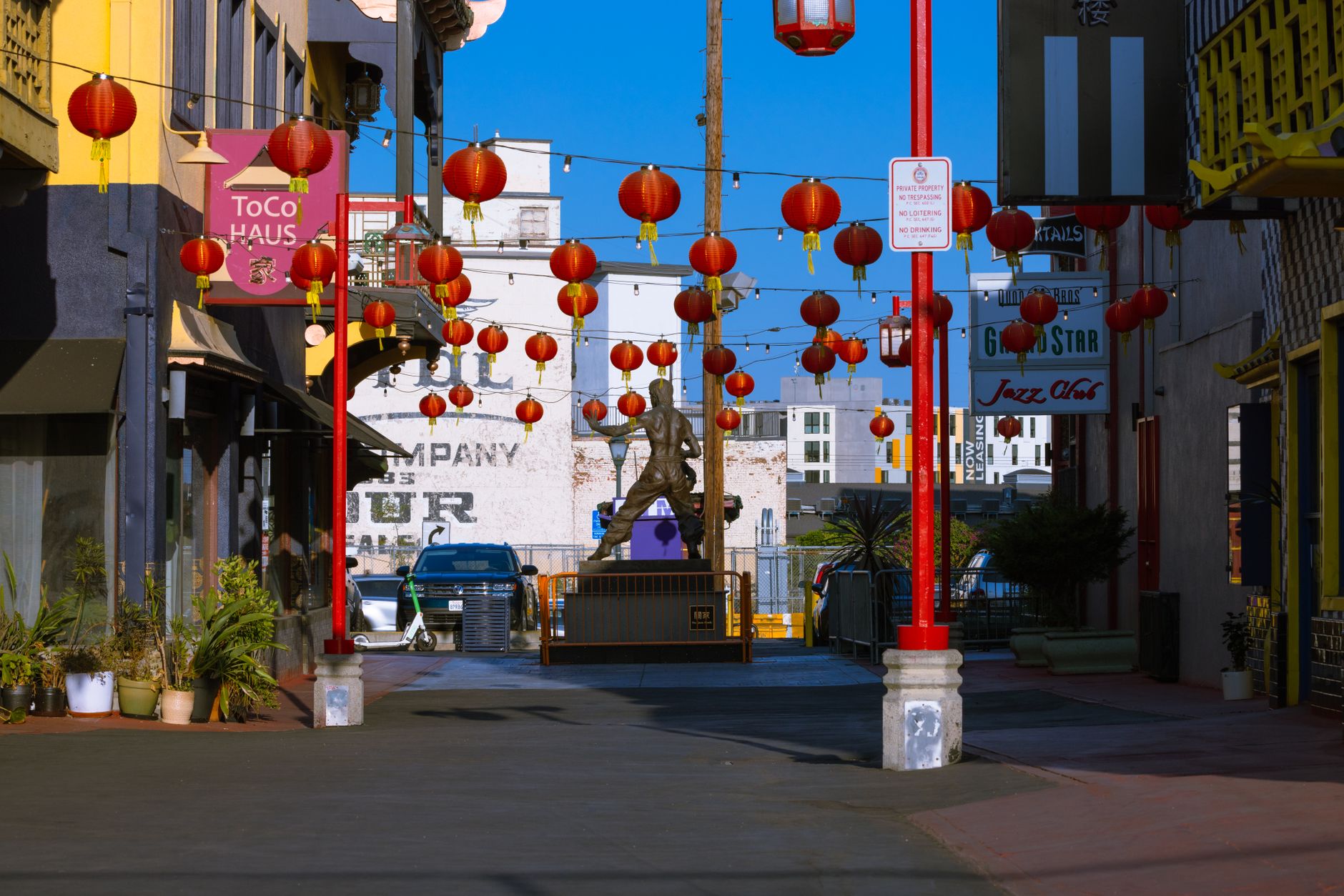
Ask anyone who eats dim sum seriously in Los Angeles where they go, and the answer is almost never a strip mall on the Westside. It is Monterey Park, Alhambra, San Gabriel, Rosemead, or Arcadia. These cities, clustered just east of downtown along Valley Boulevard and Garvey Avenue, have the highest concentration of Cantonese and Hong Kong-style restaurants in Southern California, many of them family-run for decades and built specifically around the dim sum service format: big round tables, rolling carts or order sheets, and a steady stream of small plates from mid-morning into early afternoon.
Pasadena and the city of Los Angeles have their own respected spots too, including a few order-sheet houses close to Chinatown, but if you want the deepest bench of choices within a short drive of each other, the San Gabriel Valley is where you spend your Saturday. You can browse the full dim sum listings for California or the broader Chinese restaurant directory for Los Angeles to see what is nearby before you commit to a spot.
Carts vs. Order Sheets: Know Before You Go
There are two dim sum service styles in the San Gabriel Valley, and knowing which one you are walking into changes how you order.
Cart service is the classic version: servers push heated carts or trolleys between tables, calling out what is on board or just lifting a lid so you can see it. You flag a cart down, point at what you want, and the server stamps or marks a card left at your table. It rewards decisiveness. If you hesitate, the cart moves on to the next table and you wait for the next lap, which can be ten or fifteen minutes later during a busy service.
Order sheet service is more common at newer or higher-volume restaurants. You get a paper checklist with dish names, sometimes photos, and a box to write the quantity you want. A server collects it and the kitchen sends dishes out as they are ready, rather than as a cart happens to pass. This style is easier for a first visit because nothing goes by before you can react to it, and you can take your time reading the sheet. The tradeoff is that dishes arrive in the kitchen's order, not necessarily the order you would have preferred, so do not expect dumplings before soup just because you wrote them first.
Some restaurants run a hybrid: an order sheet for the full menu plus a cart for a handful of items like rice noodle rolls or egg tarts. If nobody hands you a sheet in the first minute, a cart is coming.
Weekend Timing and the Wait
Weekday dim sum in the San Gabriel Valley is calm. Weekend dim sum is a production, and the busiest restaurants can post 30 to 60 minute waits between about 11 a.m. and 1:30 p.m. on Saturdays and Sundays. A few practical notes:
Arrive before 10:30 a.m. or after 1:30 p.m. if you want to walk in without a wait. The earlier window also gets you the freshest first carts of the day, since kitchens are cooking in batches and the first batch out tends to move fastest.
Large parties should expect a longer wait than the posted time. If your group is six or more, call ahead; some restaurants take reservations for large parties even if they do not for smaller ones.
Check the listing's posted hours before you go, since dim sum service often ends by early-to-mid afternoon even though the restaurant stays open for dinner with a completely different, non-dim-sum menu.
If you are new to this, start with a spread that covers a few textures and cooking methods rather than filling the table with dumplings alone. The table below covers the dishes you will see at nearly every dim sum house in the region.
Dish
What It Is
How It Is Served
Ordering Tip
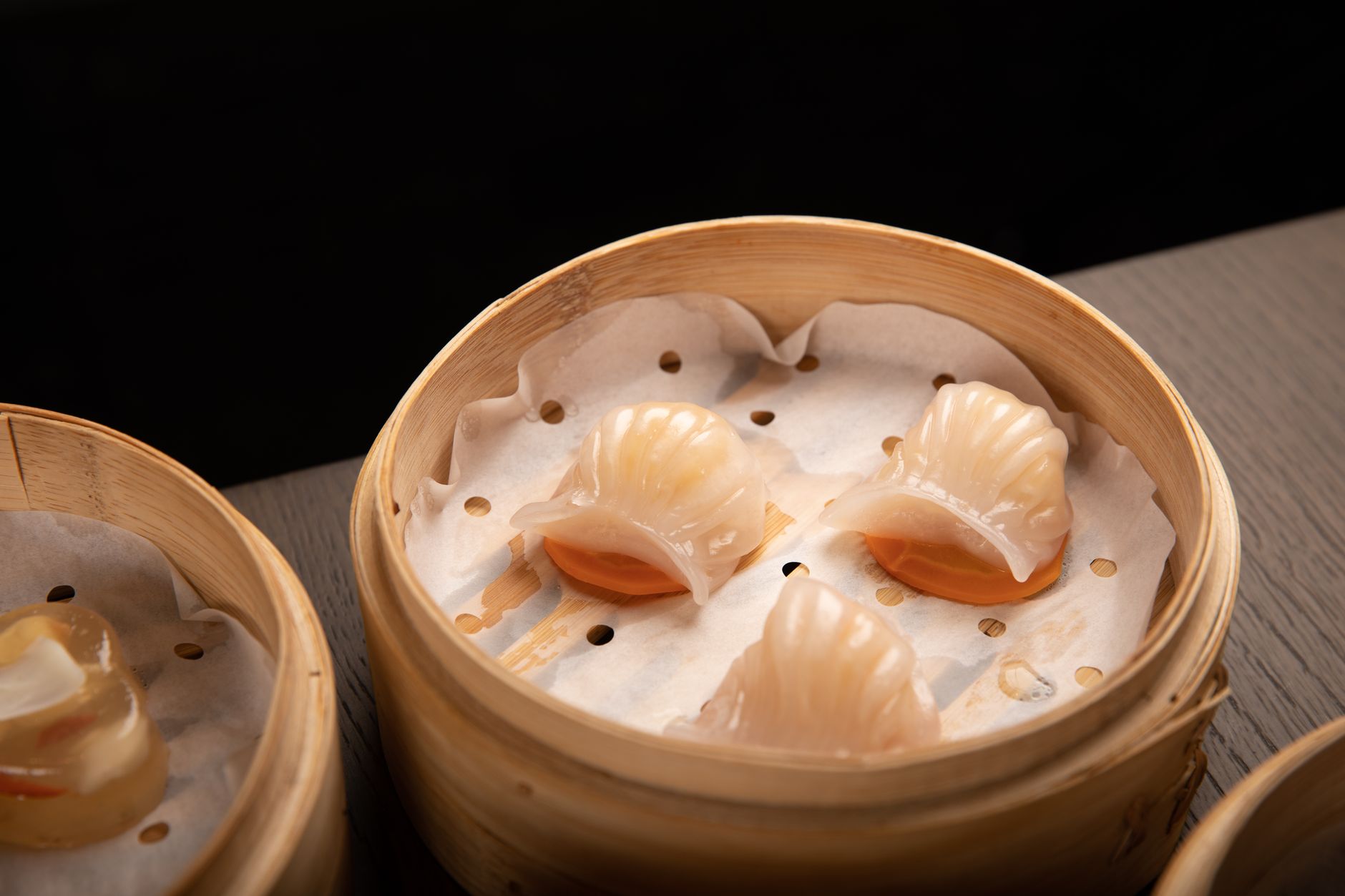
Har gow
Shrimp dumpling in a thin, translucent rice-starch wrapper
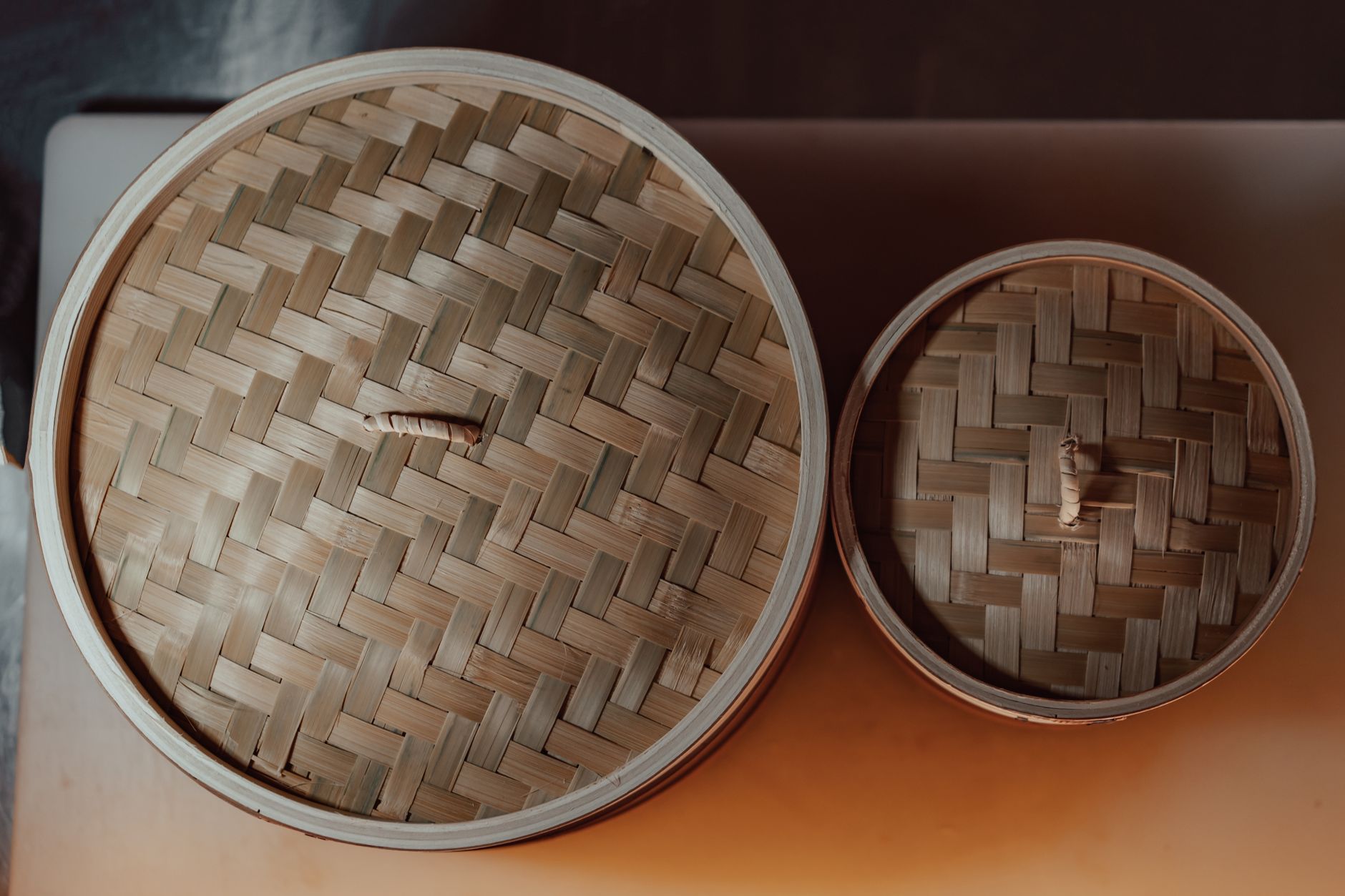
Steamed, usually four to a bamboo basket
Order it early; it is the benchmark dish for judging a kitchen's skill
Siu mai
Open-topped pork and shrimp dumpling
Steamed, four to a basket, sometimes topped with roe
A safe pairing with har gow since both are steamed and mild
Cheung fun
Wide rice noodle roll, plain or wrapped around shrimp or beef
Steamed, sliced, topped with soy-based sauce
Ask for shrimp or beef filling if the sheet does not specify; plain is also common
Char siu bao
Barbecued pork bun
Steamed (white, fluffy) or baked (glazed, slightly sweet)
Specify steamed or baked; they are different dishes with the same filling
Egg tart
Custard tart in a flaky or shortbread crust
Baked, served warm
Best ordered near the end of the meal, closer to dessert
Turnip cake
Pan-fried cake of shredded daikon radish and rice flour
Fried, sliced into rectangles
A good savory, non-dumpling option if you want texture variety
Chicken feet
Braised or steamed chicken feet in a savory sauce
Steamed, whole
Worth trying once with an open mind; not for everyone, and that is fine
You do not need to order everything on this list in one sitting. Two dumpling dishes, one noodle or rice dish, one fried item, and something sweet at the end is a complete meal for two to three people.
Tea Etiquette: Pouring, Tapping, and the Lid Signal
Tea is not an afterthought at dim sum, it is the backbone of the meal, and there is a small, specific etiquette around it that is worth knowing before you sit down.
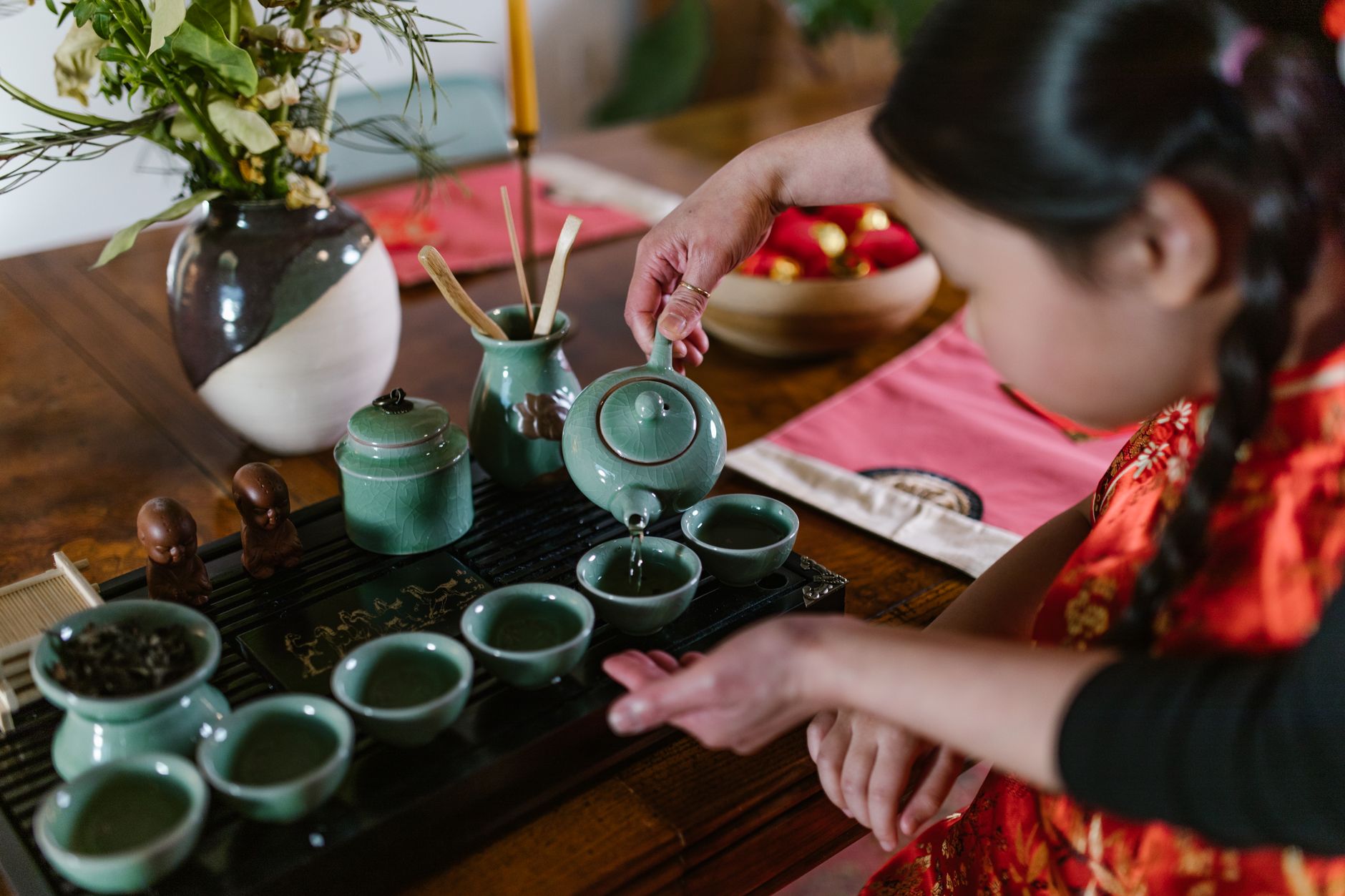
When you are seated, a server will usually ask what tea you want: common choices include jasmine, chrysanthemum, oolong, and pu-erh. Once the pot arrives, the person nearest the pot typically pours for everyone else at the table before filling their own cup. It is a small courtesy that signals you are paying attention to the table, not just yourself.
When someone pours tea for you, the traditional response is to tap two fingers lightly on the table near your cup, rather than saying thank you out loud every single time. It is a quiet gesture that keeps the conversation moving without interrupting it.
When the pot runs low, you do not need to flag down a server and ask for a refill. Instead, leave the lid of the teapot open, tilted, or resting upside down on top, and a server passing by will notice and bring hot water to refill it. This is one of the most useful small habits to know, since it is exactly the kind of thing that marks a first-timer from a regular.
Ordering for a Group and Sharing Plates
Dim sum is built around sharing. Dishes typically come three or four pieces to a plate, which is designed for a table to split rather than for one person to finish alone. When you are ordering for a group, a rough guide is two to three dishes per person across the whole meal, mixing dumplings, a rice or noodle dish, something fried, and a dessert item, rather than everyone ordering their own separate dish.
Larger groups have an advantage: more people means more dishes can circulate before anyone gets full of the same thing, so a table of eight can reasonably try twelve or more plates over a meal. Smaller tables of two or three should lean on the classics in the table above rather than trying to sample everything on the sheet.
Serving spoons or extra chopsticks are common at bigger tables; if your table does not have them and you would prefer not to use your own chopsticks to serve from shared plates, it is normal to ask a server for a spare set.
Vegetarian Options
Most dim sum menus in the San Gabriel Valley lean heavily on pork, shrimp, and other meat and seafood fillings, but vegetarian dishes do exist on nearly every order sheet. Look for steamed vegetable dumplings, spring rolls, pan-fried turnip cake (check that it is made without lard or meat, since recipes vary by kitchen), stir-fried greens such as gai lan or choy sum, and braised eggplant or tofu dishes, which are more commonly found on the printed dinner menu than the dim sum cart selection. If you are ordering for a mixed group, it is worth asking your server directly which dumplings are vegetarian, since fillings are not always obvious from the name alone, and a few "vegetable" dumplings still include shrimp paste as a binder.
The Bill, Tipping, and Takeout
At cart-service restaurants, the bill is usually calculated from a card left at your table that gets stamped or marked each time you take a dish from a cart, sorted into price tiers such as small, medium, large, and special. At order-sheet restaurants, the total is simply the sum of what you checked off, similar to any other restaurant bill.
Tipping in the San Gabriel Valley follows standard American sit-down restaurant practice: 15 to 20 percent of the pre-tax total is typical, and some restaurants add an automatic gratuity for large parties, so check before tipping twice on a group bill.
Takeout is common and easy. Most dim sum houses will pack any dish to go, and a growing number of order-sheet restaurants let you check a takeout box directly on the sheet. Steamed dumplings hold up fine reheated at home, but fried items like turnip cake or spring rolls are noticeably better fresh.
Parking in the San Gabriel Valley
Parking is one of the few real friction points of a San Gabriel Valley dim sum trip, especially on weekends. Standalone restaurants along Valley Boulevard, Garvey Avenue, and Las Tunas Drive generally have their own small lots, but they fill fast during peak hours. Strip mall plazas often share parking between several restaurants and shops, so you may need to circle once or park a short walk away. Street parking exists but comes with posted time limits and occasional street-sweeping restrictions, so read the signage rather than assume. If you are visiting Arcadia specifically, the restaurant density around Baldwin Avenue means arriving a few minutes early just to park is a reasonable plan, and it is easy to browse other options through the Arcadia restaurant listings if your first choice has a long line.
Where to Start: Dim Sum Houses Worth Knowing
These are real, currently listed dim sum and Cantonese restaurants across the area to help you plan a first trip. Check each listing for current hours before you go, since dim sum service windows can be shorter than a restaurant's full operating hours.
Dim sum in the San Gabriel Valley rewards a little preparation and nothing more: show up before 10:30 a.m. or after 1:30 p.m. on weekends to skip the worst of the wait, expect either a cart or an order sheet and read the room in your first minute at the table, start with har gow, siu mai, cheung fun, and a fried item before branching out, leave the teapot lid open when you want a refill instead of flagging a server, and budget 15 to 20 percent for the tip on a bill that is usually tallied from a stamped card rather than a printed check. None of it is a test. Once you have done it once, you order like everyone else at the table, which is the entire point of going in the first place.