What a Hot Pot Dinner for Four Really Costs in Flushing in 2026
04 October 2026 · 9 min read
Why Flushing's Hot Pot Scene Adds Up Differently
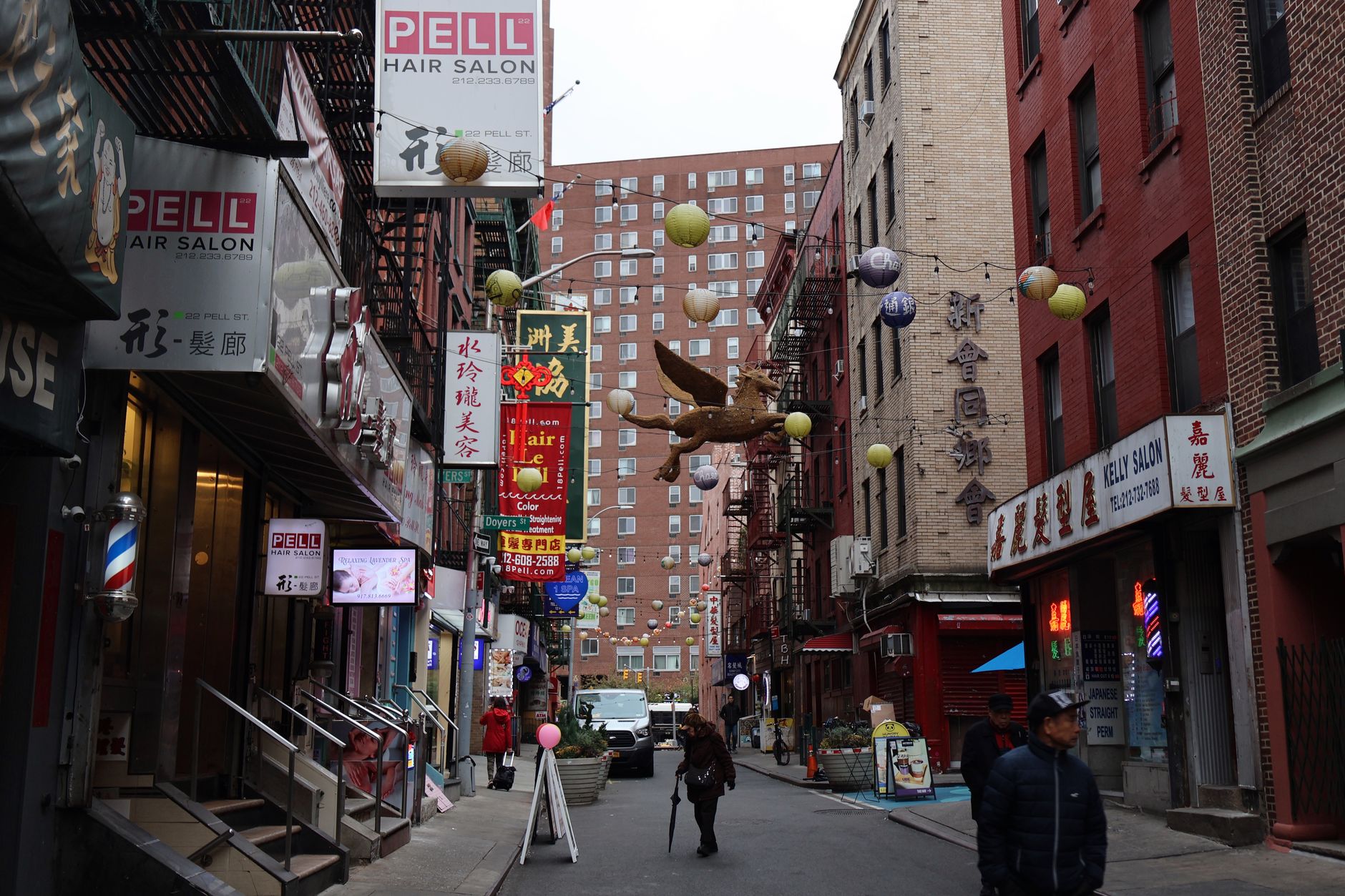
Flushing, Queens has one of the densest concentrations of hot pot restaurants anywhere on the East Coast, clustered along a few blocks of Prince Street, 39th Avenue and Main Street. Within a five-minute walk you can find at least four dedicated hot pot houses, several Korean barbecue spots, a run of Chinese barbecue and skewer counters, and enough bubble tea shops to cap off any of them. For a group of four trying to plan an evening out, the real question isn't "is there a hot pot place nearby" — it's which one fits the group, and how the bill actually gets built once everyone starts ordering.
Unlike a sit-down entree meal where the menu price is close to the final price, hot pot, Korean barbecue and skewer dinners are assembled a plate at a time. The base cost is only the starting point. What ends up on the table — and on the check — depends on how the restaurant prices its format: a flat all-you-can-eat rate, an à la carte plate system, or a per-skewer tally. None of the restaurants below publish a fixed four-person price, so the only honest way to budget is to understand how each format works and check the current menu or call ahead before you go.
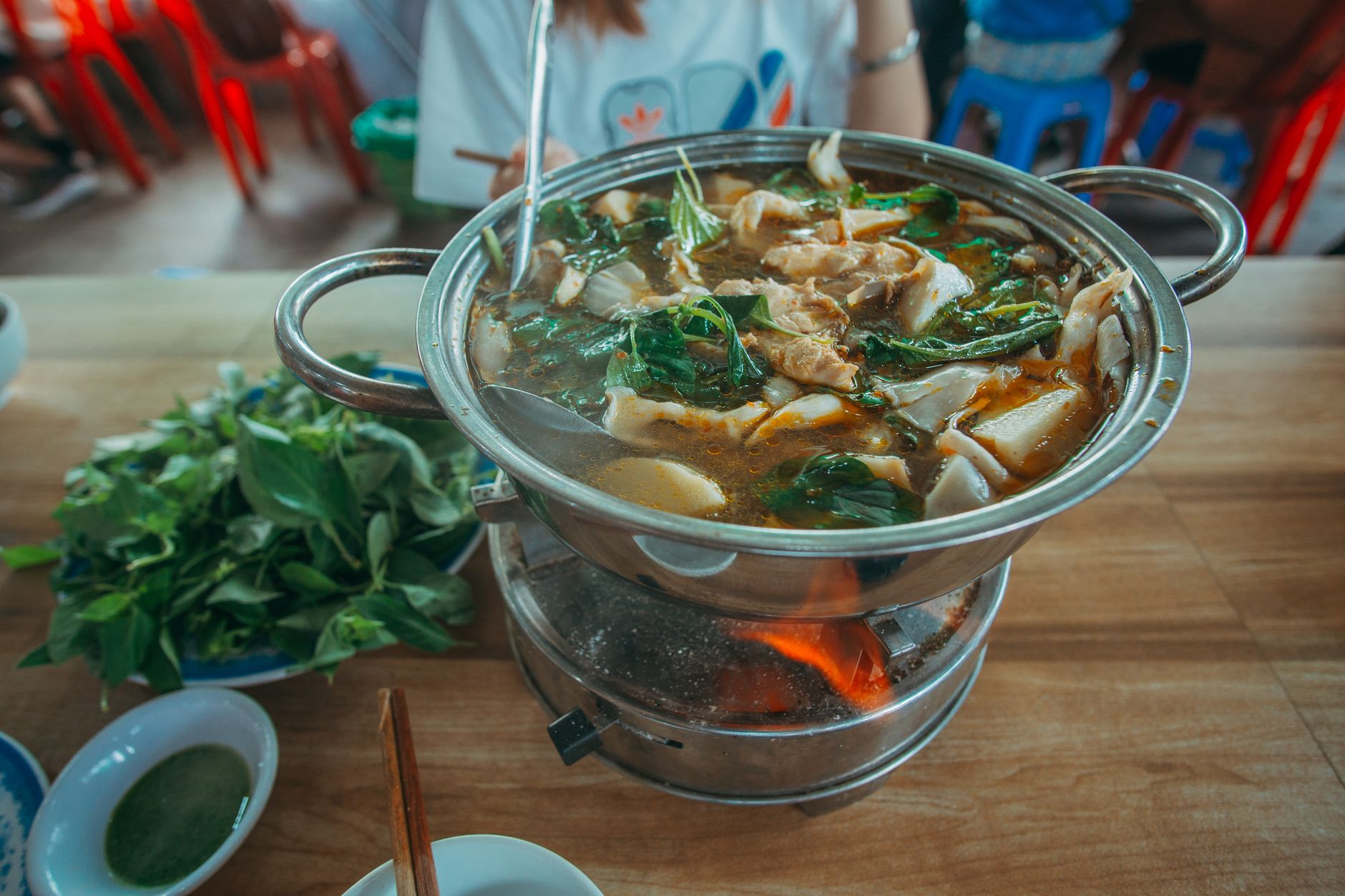
Most Flushing hot pot restaurants use one of two structures. The first is all-you-can-eat (AYCE), where each diner pays a flat cover charge for a set time block — typically 90 minutes to two hours — and can order unlimited rounds of meat, seafood, noodles and vegetables from a set menu. The second is à la carte, where the broth base is a separate charge and every plate of meat, seafood or vegetables is ordered and billed individually, closer to how a traditional Chinese restaurant prices dishes.
AYCE formats tend to be easier to budget for a group of four, since the total is a simple per-person rate times four, plus tax and tip. À la carte formats can go either higher or lower than AYCE depending on how much a table orders — a group that shares two broths and orders modestly can land well under what an AYCE cover would cost, while a table that orders rounds of premium beef and seafood can exceed it. Because exact rates change and some restaurants run weekday or lunch specials, check the current menu on the restaurant's own website or by phone rather than relying on a number printed anywhere else — including this guide.
Haidilao Hotpot, a well-reviewed outpost of the international hot pot chain, anchors the scene at 138-23 39th Ave with broth varieties and tableside service that the chain is known for nationally; its site directs orders through a store locator rather than listing menu prices directly, so confirming the current format by phone is the most reliable step before a group visit.
A few blocks over on Prince Street, Nanshan Hot Pot and BeiJing Hot Pot sit almost across from each other, both drawing strong ratings on high review counts. BeiJing Hot Pot's own site is worth checking for its current broth and plate lineup before you go, since copper-pot hot pot restaurants in this style often run both AYCE and à la carte options depending on the day or party size.
For seafood-forward hot pot, 37 Xiang Seafood Hot Pot Restaurant on 37th Avenue leans into shellfish and fish options alongside the standard meat and vegetable plates — seafood add-ons are typically where a hot pot check climbs fastest, since shellfish is priced at a premium over sliced beef or pork in almost every hot pot restaurant's plate system.
A few patterns hold across almost every hot pot restaurant, regardless of neighborhood. Splitting a broth two ways instead of one per person cuts the base charge roughly in half on an AYCE table, since the broth fee is usually charged per pot, not per diner, in à la carte formats — though some AYCE restaurants charge a broth fee per person regardless. Premium proteins (wagyu beef, lamb shoulder, specialty seafood) cost meaningfully more than the standard beef and pork plates on every à la carte menu, and ordering two or three rounds of them is the single biggest lever on a final bill. Noodles, tofu, leafy greens and mushrooms are consistently the cheapest additions, which is why a table trying to manage cost usually fills up on vegetables and starches before reordering meat.
Service charges and automatic gratuity for larger parties are common at hot pot restaurants specifically because the table occupies a server's attention for the entire AYCE time block — ask when you're seated whether an automatic charge applies to a party of four, since policies vary restaurant to restaurant and aren't always printed on the menu board.
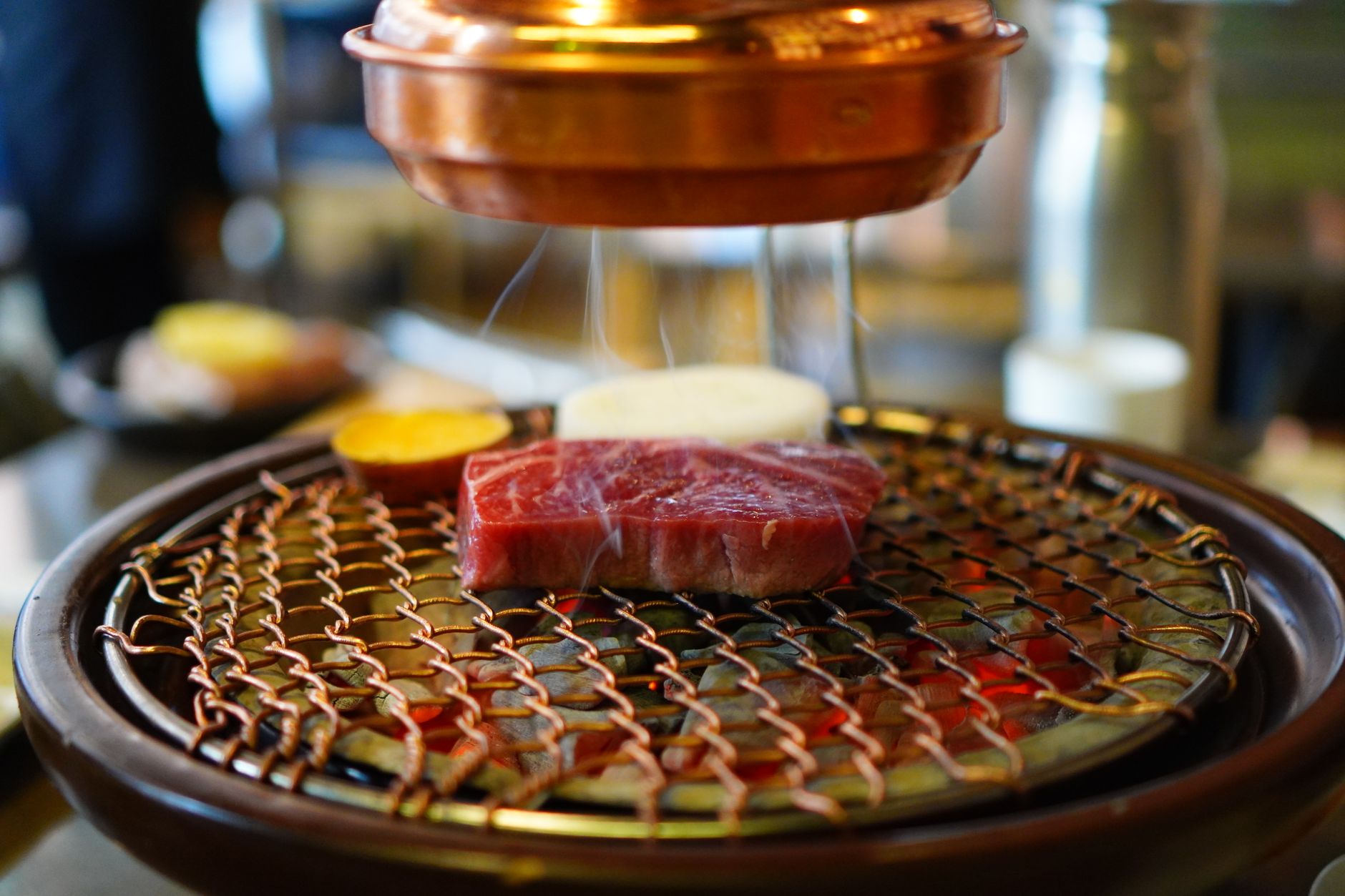
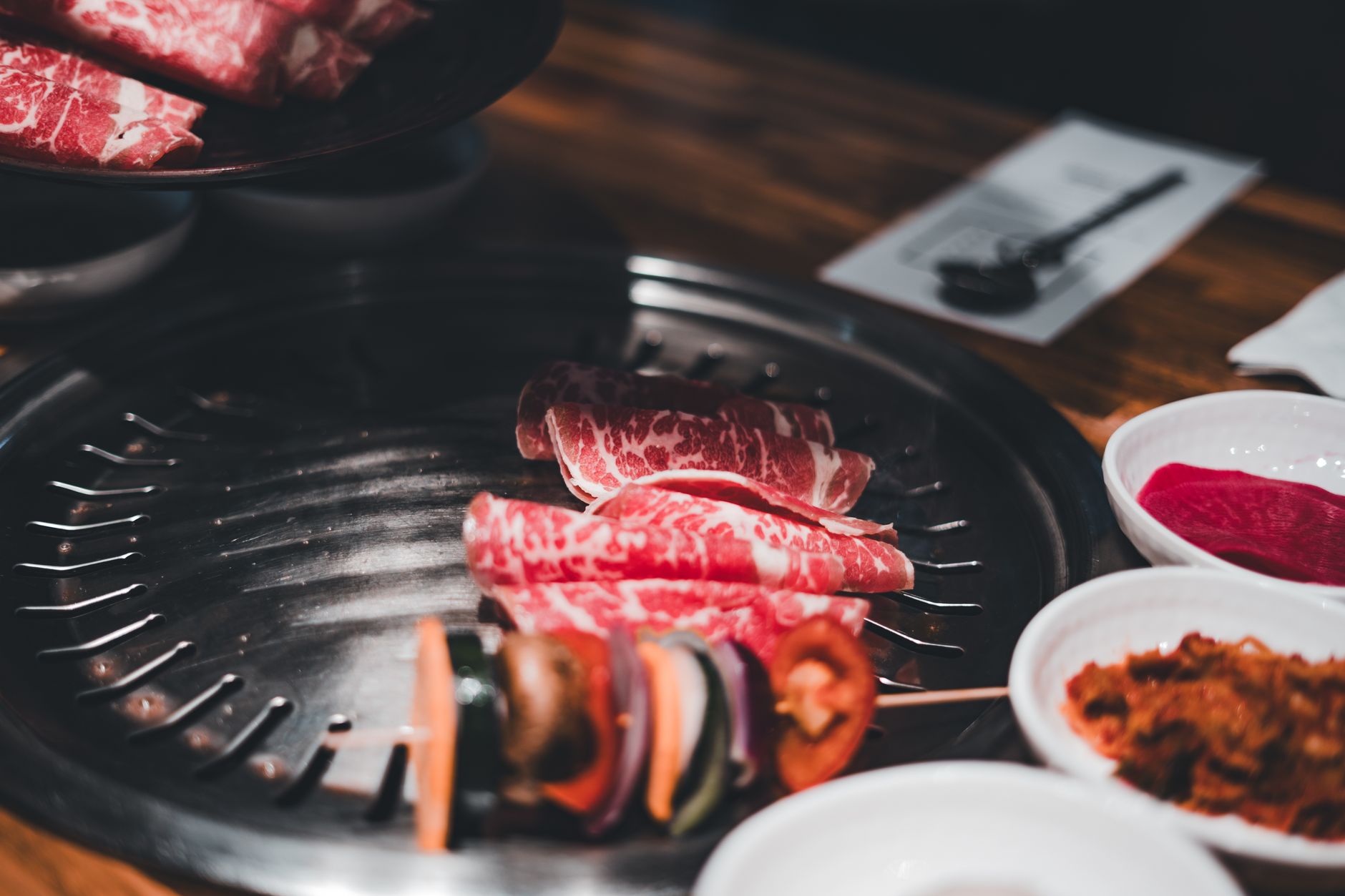
If hot pot doesn't fit the group's mood, Flushing has two other DIY-style formats within a few minutes' walk. Ssam Tong BBQ, a Korean barbecue restaurant with a strong review count, follows the familiar Korean BBQ model: diners grill cuts of beef and pork belly tableside, usually ordered by the plate rather than through an AYCE format, with banchan (side dishes) included. Korean BBQ à la carte pricing climbs with cut quality much the same way hot pot does with seafood — a table ordering mostly pork belly and standard beef cuts will land lower than one ordering premium marbled beef throughout.
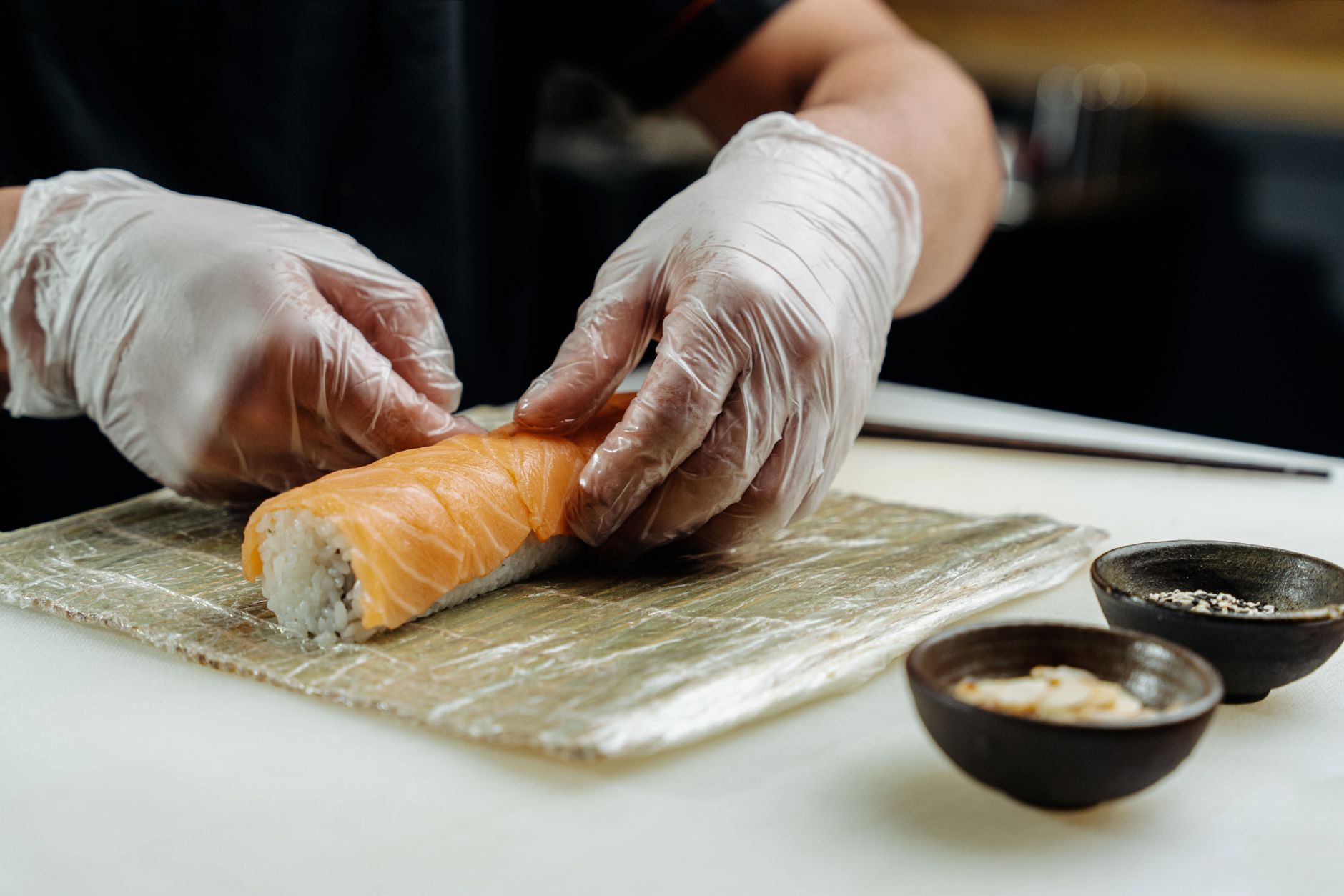
GAN-HOO BBQ takes a different approach entirely: it's a Chinese barbecue and roast meat specialist, with skewers, grilled items and roasted meats sold individually or by the portion rather than as a sit-down grill-it-yourself format. This style suits a group that wants to share a wide variety of smaller items rather than commit to one broth or one grill for the whole meal, and it's generally easier to control the final total since each skewer or portion is a discrete, visible charge rather than an unlimited refill.
Both formats reward asking about current menu pricing before ordering rounds, since neither restaurant's online presence lists a fixed price list — Ssam Tong's most current menu and promotions are posted to its TikTok account rather than a traditional website.
No Flushing food crawl is complete without stopping for bubble tea, and the neighborhood has no shortage of options within the same few blocks as the hot pot row. Auntea Jenny on Prince Street and Teapulse, which shares a building with Nanshan Hot Pot, both carry strong ratings from well over a thousand reviews combined. Teapulse in particular extends beyond tea into baked goods and health-food-style options, according to its listed categories, making it a reasonable stop whether the group wants a milk tea cap to the meal or a lighter alternative to another round of skewers.
Bubble tea pricing is comparatively simple and predictable next to hot pot or barbecue: it's priced per cup, with the main variables being size, ice and sugar level, and add-ins like boba, grass jelly or pudding, each typically a small add-on charge rather than a meaningful swing in the overall night's spending. For a group of four capping off a hot pot or barbecue dinner, bubble tea is usually the smallest line item on the receipt, not the one worth budgeting around.
Each format spreads cost differently across a table of four, and the right pick depends more on how the group likes to eat than on which one is objectively cheaper.
Format
How it's priced
Easiest way to control cost
Biggest cost driver
Hot pot (AYCE)
Flat per-person cover for a set time block
Share broths, fill up on vegetables and noodles first
Ordering multiple rounds of premium meat or seafood
Hot pot (à la carte)
Broth fee plus individually ordered plates
Order fewer, smaller rounds and reassess before reordering
Seafood and premium beef plates
Korean BBQ
Individually ordered cuts, grilled tableside, banchan included
Stick to standard beef and pork belly cuts
Premium marbled beef cuts
Chinese BBQ & skewers
Priced per skewer or portion
Order a wide variety in small quantities
Ordering many rounds of specialty skewers
Bubble tea
Priced per cup
Skip premium add-ins like extra toppings
Large sizes and multiple add-ins
None of these numbers are fixed, and every restaurant listed above can confirm its current pricing structure by phone faster than any guide can track it — treat this table as a map of how the bill gets built, not a quote.
Planning a Flushing Food Crawl for Four
Most of the restaurants in this guide sit within blocks of each other around Prince Street, Main Street and 39th/37th Avenues, which makes a progressive food crawl realistic for a group willing to walk between stops rather than eat everything at one table. A practical order is to start with skewers or a light Korean BBQ course, move to hot pot as the main event, and finish with bubble tea a few doors down — splitting one big hot pot cover across the whole night rather than stacking a full hot pot meal on top of a full barbecue meal.
Reservations matter more at the hot pot restaurants than at the skewer or bubble tea stops — Haidilao and the Prince Street hot pot houses draw long waits on weekend evenings given their review counts, so calling ahead or arriving early on a Friday or Saturday is worth the five minutes it takes.
The Takeaway
There's no single number that describes what hot pot, Korean BBQ or Chinese skewers cost for four people in Flushing, because every format in this guide prices the meal differently and none of the restaurants list a fixed group rate online. What's consistent is where the cost actually comes from: premium meat and seafood rounds drive hot pot and Korean BBQ bills up, while vegetables, noodles and standard cuts keep them down, and skewer-style Chinese BBQ gives the most visible, itemized control over the total. The most reliable way to plan a dinner for four is to pick the format that matches how the group wants to eat, then call the restaurant or check its current menu directly — not to budget off a number printed in any guide, including this one.