"Chinese food" is not one cuisine. It is a label that gets stretched over a dozen regional cooking traditions, and the three a diner in California is most likely to run into side by side are Cantonese, Sichuan, and Hunan. They come from different parts of China, they taste nothing alike, and knowing the difference is the fastest way to stop ordering the same three dishes everywhere you go.
This guide breaks down what actually separates these three cuisines, where each one shows up most often in the directory's coverage area, and a few real restaurants in Southern California and the Bay Area where you can taste the difference for yourself.
Where each cuisine comes from
Cantonese food comes from Guangdong province in southern China, including the cities of Guangzhou and the Pearl River Delta, as well as Hong Kong. It is the cuisine most Americans met first, because the majority of 19th and 20th century Chinese immigration to the US came through this region. That history is why "Chinese restaurant" and "Cantonese restaurant" are still treated as near-synonyms in a lot of US cities, even though they are not the same thing.
Sichuan (also spelled Szechuan) food comes from Sichuan province in southwest China, a humid, landlocked basin where chili and the numbing spice called Sichuan peppercorn became central to the cooking, partly as a way to preserve food and stimulate appetite in a damp climate.
Hunan food comes from the neighboring province of Hunan, just east of Sichuan. It shares the region's love of chili but takes a different approach: Hunan cooking tends to be drier, smokier, and more sour than Sichuan's numbing heat, often built around fermented and smoked ingredients.
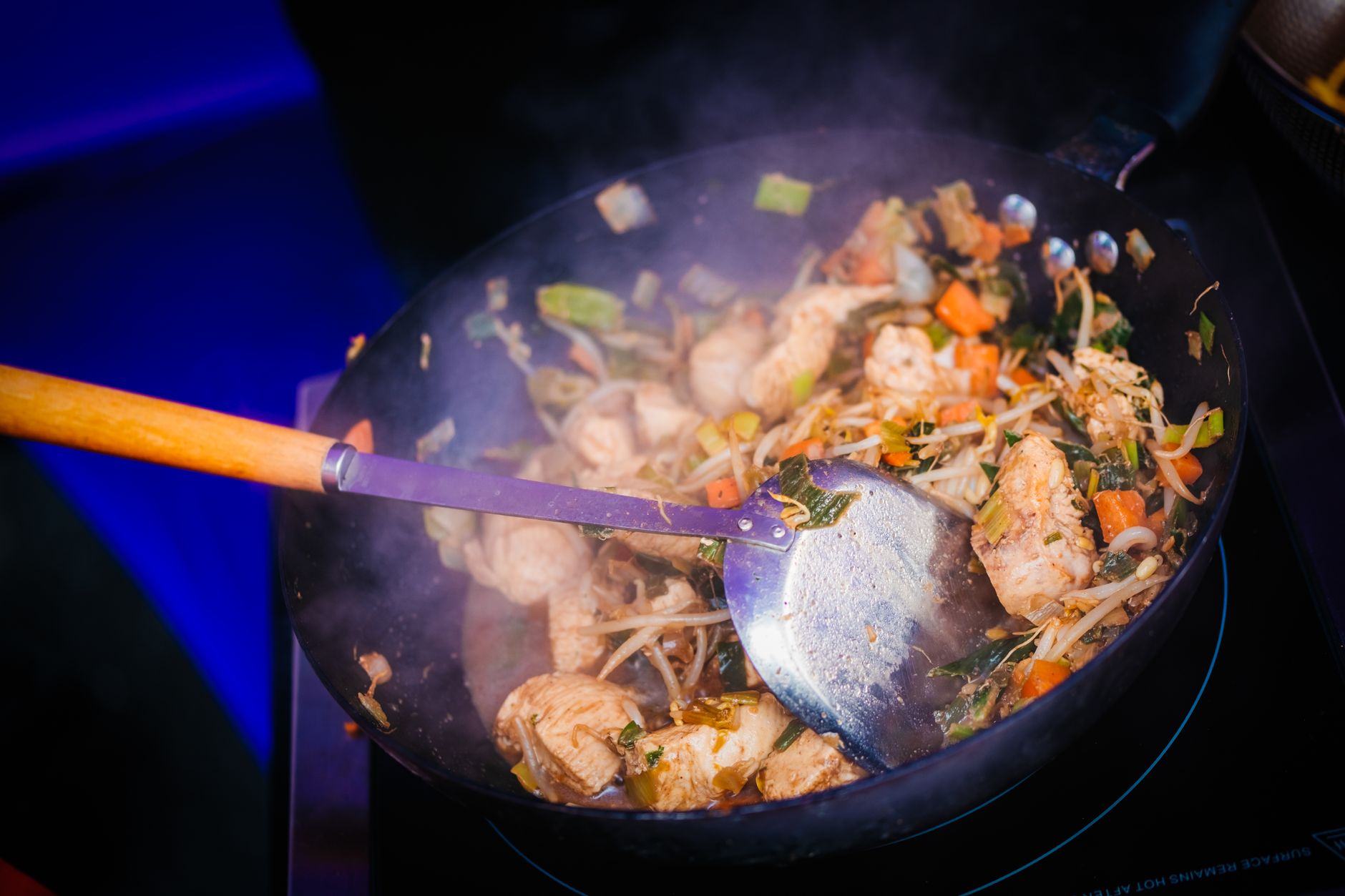
Cantonese cooking is defined less by heat than by technique and timing. The guiding principle is to taste the ingredient, not bury it. That shows up in steaming, light stir-frying, and quick blanching rather than long braises or heavy sauces. Seafood is prepared live or very fresh where possible, and vegetables are often simply stir-fried with garlic.
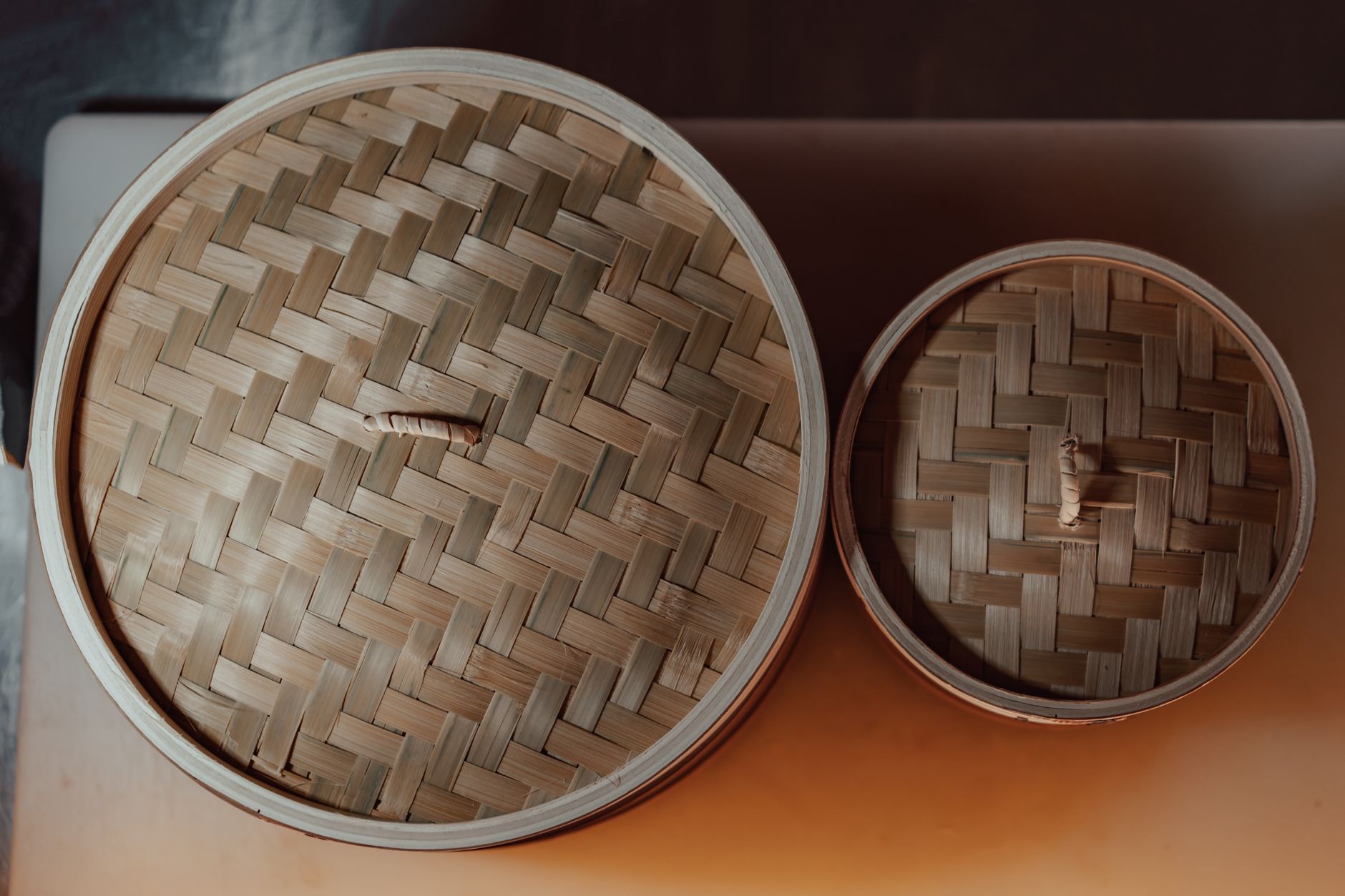
Dim sum is the most famous Cantonese export: small steamed or fried dishes like har gow (shrimp dumplings), siu mai, char siu bao, and rice noodle rolls, traditionally ordered off a cart or a checklist at breakfast or lunch. Cantonese roast meats, especially char siu (roast pork) and roast duck hanging in a restaurant window, are another signature. Congee, wonton noodle soup, and clay pot rice round out a cuisine that rewards simplicity over spectacle.
If you want to try it: {{biz:ho-kee-cafe-san-gabriel}} and {{biz:hong-kong-dim-sum-house-san-gabriel}} both sit in San Gabriel's dense Cantonese and Hong Kong-style restaurant row, a few blocks from each other on Las Tunas Drive and Del Mar Avenue. You can browse the full category at Cantonese restaurants in San Gabriel, CA or check Cantonese restaurants in San Francisco for the older, Chinatown-rooted scene.
Sichuan: numbing heat with layers
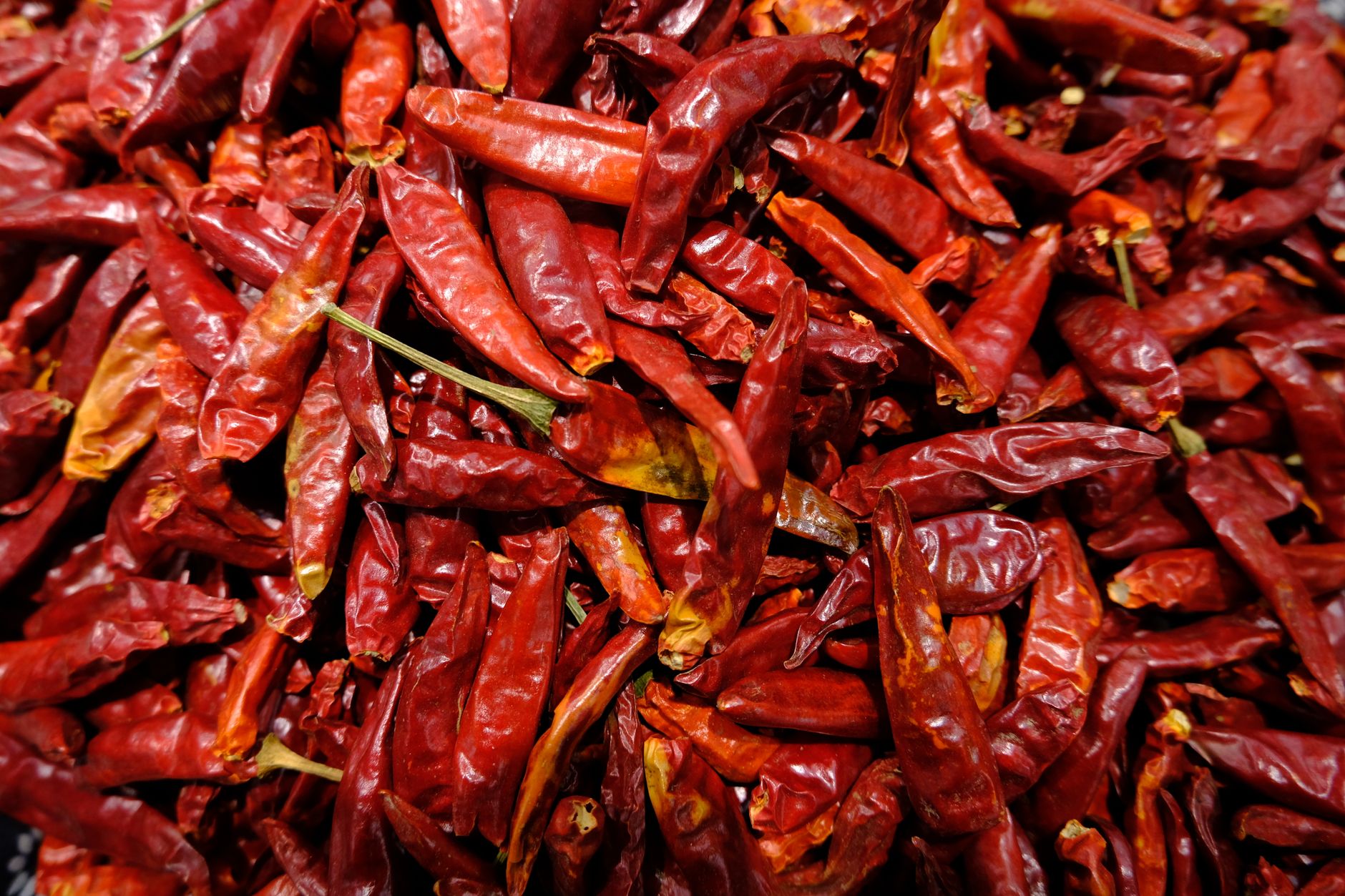
Sichuan cooking is built on a specific sensation: "ma la," the combination of "ma" (the tingling numbness of Sichuan peppercorn) and "la" (chili heat). The two aren't the same thing, and a good Sichuan kitchen balances them rather than just piling on spice. Doubanjiang (fermented broad bean and chili paste) and dried chilies toasted in oil are the backbone of the cuisine's flavor.
Signature dishes include mapo tofu (silky tofu in a spicy, numbing ground pork sauce), dan dan noodles, water-boiled fish or beef (shuizhu), kung pao chicken in its authentic form (much spicier and less sweet than the Americanized version), and dry pots (gan guo) of stir-fried meat and vegetables tossed in chili oil. Hot pot with a mala broth, split down the middle from a milder broth, is also closely associated with Sichuan cooking, though it's sold everywhere now.
Two of the best-reviewed spots for this in the San Gabriel Valley are {{biz:sichuan-impression-alhambra}} on West Main Street in Alhambra and {{biz:delicious-chengdu}} in Temple City, named for Sichuan's capital city. Both lean into dry pots and mapo tofu rather than the sweeter, Americanized "Szechuan chicken" you'll see on takeout menus. See the full list at Sichuan & Hunan restaurants in Alhambra or browse Sichuan & Hunan restaurants in Temple City.
Hunan: smoky, sour, and just as spicy
Hunan food gets lumped in with Sichuan on a lot of American menus, but the two are distinct once you've had both. Hunan cooking skips the numbing peppercorn and instead leans on fresh and dried chilies, fermented black beans, and a sour note from pickled or fermented vegetables. Smoking and curing meat (as in Hunan's smoked bacon, "larou") is a defining technique that Sichuan cooking doesn't really use.
Classic dishes include Mao's braised pork (hong shao rou, a fatty, soy-and-sugar braised pork belly named for Hunan native Mao Zedong), smoked ham or bacon stir-fried with leeks or dried tofu, chairman Mao's favorite fish head, and a style of dry-fried green beans that's sharper and more sour than Sichuan's version. Hunan food is, on average, spicier than Sichuan food to people who try both, even without the numbing effect.
{{biz:sohunan-of-henrys-hunan-san-francisco}} in San Francisco's Jackson Square is one of the more established Hunan kitchens in the Bay Area and a good reference point if you want to taste the smoked-pork, sour-chili style without guessing from a mixed Sichuan-Hunan menu.
A quick side-by-side
Cantonese
Sichuan
Hunan
Region
Guangdong / Hong Kong
Sichuan province
Hunan province
Core flavor
Fresh, light, savory
Numbing + spicy (ma la)
Spicy + sour + smoky
Signature dish
Dim sum, roast duck
Mapo tofu, dan dan noodles
Smoked bacon, braised pork
Spice level
Low
Medium–high
High
Common technique
Steaming, quick stir-fry
Chili oil, dry pot
Smoking, curing, pickling
Menus that mix "Szechuan" and "Hunan" dishes under one roof, which is common at US takeout restaurants, are usually cooking an Americanized hybrid of both rather than either cuisine in its original form. That's not necessarily a bad meal, but it's worth knowing that a dish labeled "Szechuan" on a typical takeout menu may not resemble what you'd get at a restaurant that specializes in Sichuan cooking specifically.
Why the San Gabriel Valley is a good place to learn this
Few places in the US make it as easy to taste these three cuisines within a short drive of each other as the San Gabriel Valley, east of downtown Los Angeles. Monterey Park, Alhambra, San Gabriel, and Temple City each developed their own concentration of regional Chinese restaurants starting in the 1970s and 80s, as waves of immigrants from Hong Kong, Taiwan, and later mainland China (including Sichuan and Hunan) settled there. The result is a corridor where a Cantonese dim sum hall, a Sichuan dry pot restaurant, and a Hunan noodle shop can sit within a few blocks of each other, something that's much harder to find in a single neighborhood almost anywhere else in the country.
The Bay Area has a similar, older layering, centered on San Francisco's Chinatown and the Richmond and Sunset districts for Cantonese food, with Sichuan and Hunan restaurants spread across the city and the Peninsula.
How to order once you know the difference
A few practical habits make ordering easier once you can tell the cuisines apart:
At a Cantonese restaurant, ask what's fresh or what came in that day rather than ordering from memory; seafood and vegetable dishes vary with what's available.
At a Sichuan restaurant, ask the server to rate the spice level of a dish on their own scale, since "mild" at one restaurant can be "very spicy" at another. If a mala dish feels too numbing, order a plain rice or a mild soup, not water or ice, to cut the sensation.
At a Hunan restaurant, look for the word "smoked" or "cured" (often shown as "la rou" or "smoked bacon" in English) if you want the most distinctly Hunan flavor rather than the generic "spicy" dishes that could be from either province.
If a menu lists both "Szechuan" and "Hunan" sections with largely overlapping dishes, it's a sign the kitchen is cooking an Americanized blend rather than serving either cuisine in its traditional form, which is fine, but worth knowing going in.
The takeaway
Cantonese, Sichuan, and Hunan are three separate culinary traditions from three different parts of China, not interchangeable labels for "Chinese food." Cantonese cooking favors freshness and light technique; Sichuan layers numbing peppercorn with chili heat; Hunan skips the numbing and leans into smoke, cure, and sour chili instead. The San Gabriel Valley and the Bay Area are two of the best places in the country to taste all three within the same afternoon, and knowing what separates them turns a random restaurant pick into an informed one.
Check current prices and hours directly with each restaurant, since both change over time.