

14 Oct 2026 · 8 min read
Eating Through Pasadena, California in 2026
A corridor-by-corridor Pasadena food guide: Old Pasadena sushi and dim sum, Caltech-area Thai and boba, and Korean BBQ on Colorado Blvd.
Pasadena Neighborhood Guide Korean BBQ30 September 2026 · 8 min read
Walk down Wilshire Boulevard or 6th Street in Los Angeles's Koreatown on a Friday night and you'll see the same thing happening behind two different kinds of glass: one table has a copper dome pumping smoke over sizzling short rib, the next has a shared pot roiling with broth and a wall of raw ingredients waiting to go in. Hot pot and Korean BBQ are often lumped together as "cook-it-yourself" Asian dining, and they do share a lot — a heat source built into the table, a group of people doing the cooking together, and a meal that takes an hour or two rather than twenty minutes. But they come from different culinary traditions, they ask something different of a first-timer, and they suit different kinds of nights out. This guide breaks down what actually separates them, using real restaurants in Los Angeles to make it concrete.
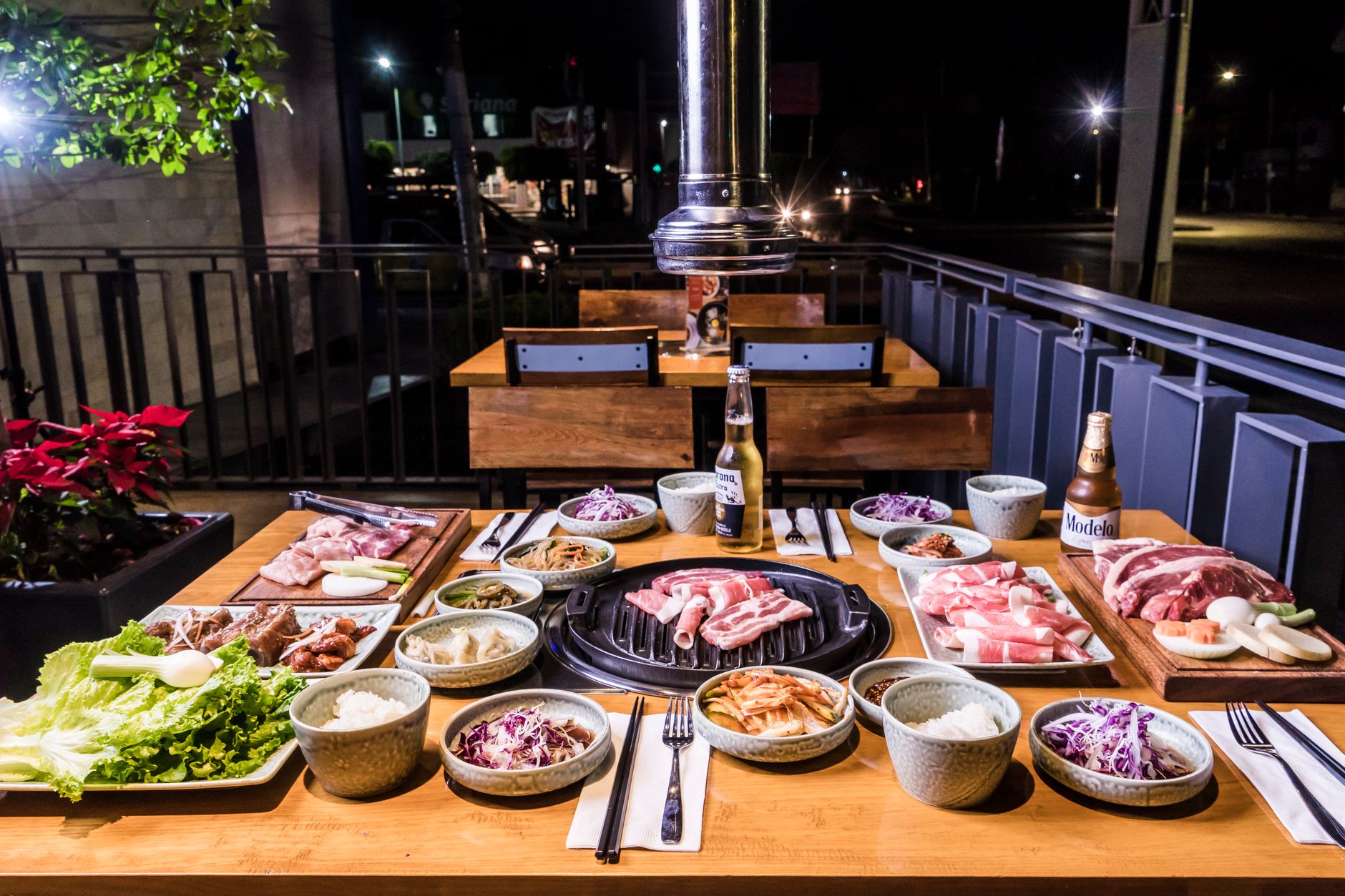
Korean BBQ is built around live-fire or gas grilling. A grill plate or grate sits directly over a burner in the middle of the table, and the kitchen sends out thinly sliced raw meat — usually beef short rib (galbi), brisket, pork belly (samgyeopsal), or marinated bulgogi — for diners to lay on the grill themselves. Someone at the table, often a server in the beginning, flips and trims the meat with tongs and scissors as it cooks, and pieces come off the grill within a minute or two of going on.
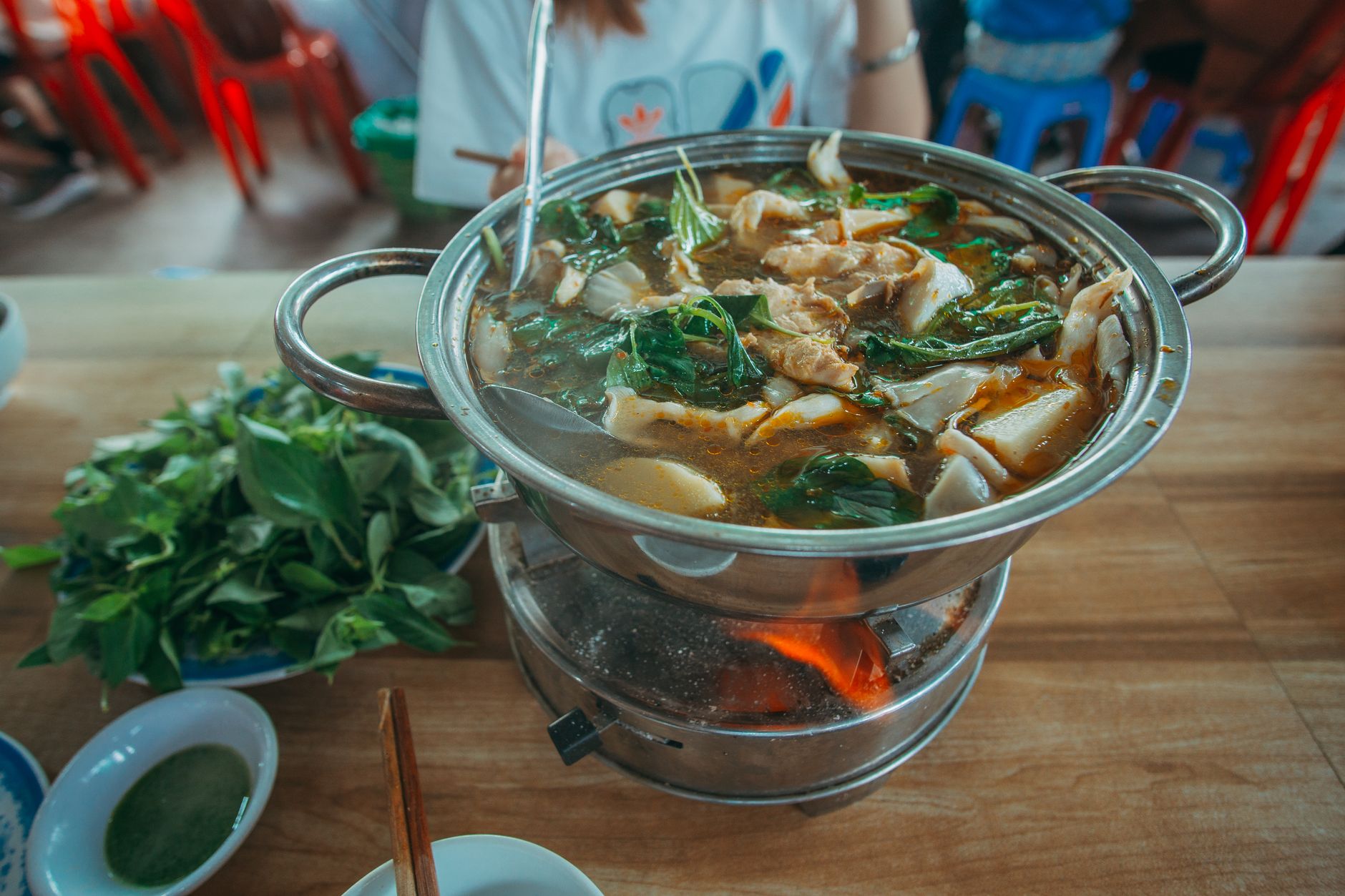
Hot pot works the opposite way: instead of dry heat browning the surface of the meat, a pot of simmering broth in the center of the table cooks everything by submersion. Broth bases range from a mild chicken or pork stock to a mala (numbing-spicy) Sichuan broth loaded with chile oil and Sichuan peppercorns, and many restaurants offer a split pot so the table can order two broths at once. Thin-sliced meat, meatballs, tofu, noodles, and vegetables go into the broth in batches and come out with tongs or a small strainer a minute or two later, then get dipped in a sauce the diner mixes at a condiment bar.
Hot Pot · Los Angeles, California
Korean BBQ as it's served in the US traces back to Korean grilling traditions, particularly bulgogi and galbi, that became a restaurant format in Korea in the 20th century and then spread with Korean immigration to cities like Los Angeles, where Koreatown has been a hub since the 1970s and '80s. Hot pot has a longer and more geographically varied history across China, with regional styles ranging from Sichuan's numbing-and-spicy mala broth to Cantonese-style clear broths built around fresh seafood, plus related traditions in Mongolia, Japan (shabu-shabu and sukiyaki), and Vietnam. When a menu in Los Angeles lists a mala broth alongside a mushroom or bone broth option, that's usually a nod to this range of regional styles rather than one fixed "hot pot" recipe.
The two cuisines also draw from different pantries. Korean BBQ tables fill up with banchan — small shared side dishes like kimchi, pickled radish, bean sprouts, and seasoned spinach — that arrive automatically and get refilled without extra charge at most sit-down spots. The centerpiece is the protein itself, seasoned simply (salt and sesame oil) or pre-marinated in soy, pear, and garlic, and wrapped in a lettuce leaf with rice, garlic, and ssamjang (a fermented soybean-chile paste) once it's grilled.
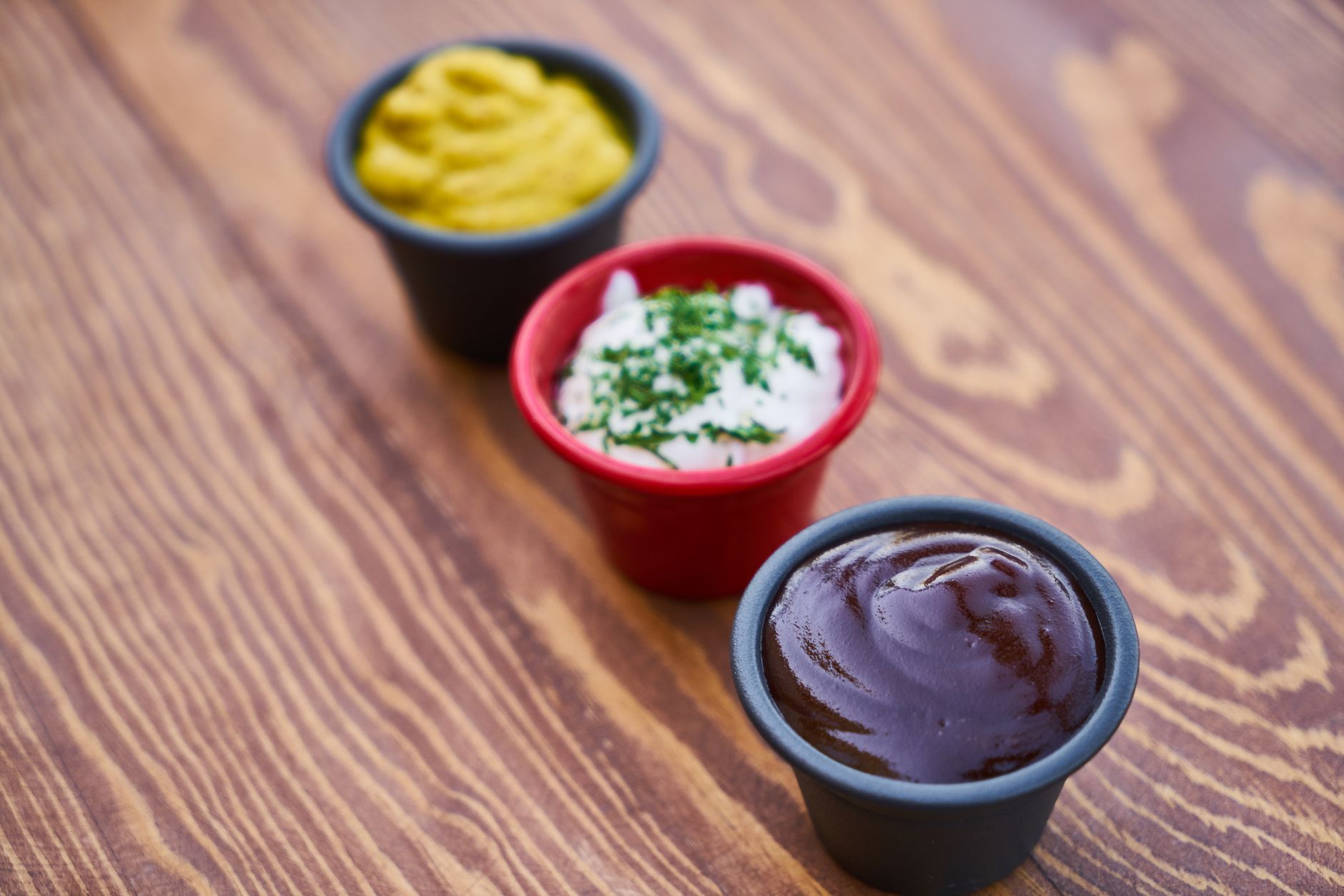
Hot pot tables are built around the condiment bar rather than pre-made side dishes. Diners typically build their own dipping sauce from sesame paste, soy sauce, scallion, cilantro, chile oil, and garlic, and the "sides" are really the raw ingredients themselves: sliced lamb or beef, hand-pulled noodles, mushrooms, leafy greens, fish balls, and tofu skin, most of it ordered a la carte or as part of a combo platter for the table.
Korean BBQ · Los Angeles, California
Los Angeles Korean BBQ leans heavily on all-you-can-eat (AYCE) pricing: pay one price per person for a set time window (commonly 90 minutes to two hours) and order as many rounds of meat, banchan, and sometimes soup or rice as the table can eat, with a per-person cover charge and often a corkage-style penalty for unfinished food. Higher-end Korean BBQ spots skip AYCE and sell by the cut and weight instead, which lets the kitchen offer better-marbled beef but raises the bill for a big group. Either way, check current prices directly with the restaurant, since AYCE tiers and cut pricing change often.
Hot pot in LA is usually a hybrid: a broth fee per pot (or per person, depending on the restaurant), plus a la carte ordering for every ingredient, so the bill scales with how much the table actually orders. A smaller number of hot pot restaurants also run AYCE ingredient bars. Because ordering is spread across many small plates, it's easy for a group to end up ordering too much or too little on a first visit — ask the server for a recommended starting round for the table size if you're unsure.
Korean BBQ · Los Angeles, California
A Korean BBQ menu is organized by cut and marinade: look for galbi (marinated short rib), bulgogi (thin-sliced marinated beef), samgyeopsal (unmarinated pork belly, the classic "plain" option), and dwaeji galbi (marinated pork ribs). Combo sets bundling two or three cuts are the easiest way to sample the menu without over-ordering, and most menus mark a spice level or note "unmarinated" cuts for people who prefer to season at the table themselves.
A hot pot menu splits into broth, protein, and "the rest." Pick a broth first (or two, in a split pot), then order thin-sliced protein by the plate — beef, lamb, and pork are standard, with more unusual cuts like beef tripe or pork brain at Sichuan-focused spots. Vegetables, mushrooms, noodles, and tofu products are usually the cheapest items on the menu and the easiest way to stretch a broth without over-ordering meat.
Hot Pot · Los Angeles, California
| Hot Pot | Korean BBQ | |
|---|---|---|
| Heat source | Simmering broth pot | Tabletop grill or grate |
| Cooking method | Submerge and simmer | Sear and grill |
| Typical sides | Build-your-own dipping sauce bar | Banchan (kimchi, pickled radish, etc.) refilled free |
| Common pricing | Broth fee + a la carte ingredients | AYCE per person, or a la carte by cut |
| Good for spice lovers | Yes — mala/Sichuan broth option | Milder by default, spice comes from sauces |
| Group size that works best | 3-6, so the pot doesn't overcrowd | 2 and up, scales easily |
| Vegetarian-friendly | Easier — clear broth + tofu/veg a la carte | Harder — grill often shares surface with meat |
Choose hot pot when the group wants to linger, when someone at the table wants real heat (a mala broth delivers more capsaicin than any Korean BBQ sauce), or when you're feeding a mix of eaters with different diets, since a split pot lets one half go vegetarian-leaning while the other orders lamb and tripe. It's also the better choice on a cold night — the broth keeps the table warm between rounds.
Choose Korean BBQ when the group wants something closer to a classic celebratory dinner, when kids are at the table (grilled meat and rice is an easier sell than a mala broth), or when the group is large enough that AYCE pricing makes the bill predictable. It also photographs and smells the part for a birthday or a first date in a way a simmering pot doesn't.
Hot Pot · Los Angeles, California
At Korean BBQ, don't flip the meat constantly — let it sear before turning, and use the scissors (not a knife) to cut cooked pieces into bite-sized strips once they're done. Servers at many LA spots will grill the first round for you and hand off the tongs once they trust the table; that's normal, not a judgment on your cooking. Lettuce wraps are eaten in one bite, so don't overfill them.
At hot pot, don't overcrowd the pot — adding everything at once cools the broth and makes it hard to time doneness, so add ingredients in small batches starting with things that take longest (root vegetables, tougher cuts) before quick-cooking items like leafy greens and thin-sliced meat. Use the serving side of your chopsticks or the provided strainer to fish things out rather than digging around with your own utensils, and keep raw and cooked items on separate small plates.
Korean BBQ · Los Angeles, California
Los Angeles has enough of both cuisines clustered close together that a two-restaurant comparison crawl is realistic in one visit to the city. The Korean BBQ listings for Los Angeles are concentrated in and around Koreatown, roughly bounded by Western Avenue, Vermont Avenue, and Wilshire and Olympic Boulevards, an area dense enough to walk between several options in one night. The hot pot listings for Los Angeles are more spread out across the city, with a mix of Sichuan mala-style spots and milder combo hot pot restaurants. For a fuller picture of what else is nearby, the Los Angeles restaurant directory covers every Asian cuisine category the site tracks in the city.
Hot Pot · Los Angeles, California
Hot pot and Korean BBQ solve different dining problems even though they both put the cooking in your hands: hot pot is the better fit for spice lovers, mixed diets, and a slower, colder-weather night, while Korean BBQ is the more predictable, kid-friendly, and celebratory option, especially with AYCE pricing for a group. Neither is "better" — the honest answer is to pick based on who's at the table and what kind of night you want, and to always confirm current pricing with the restaurant before you go, since AYCE tiers and cut prices change more often than a fixed menu.
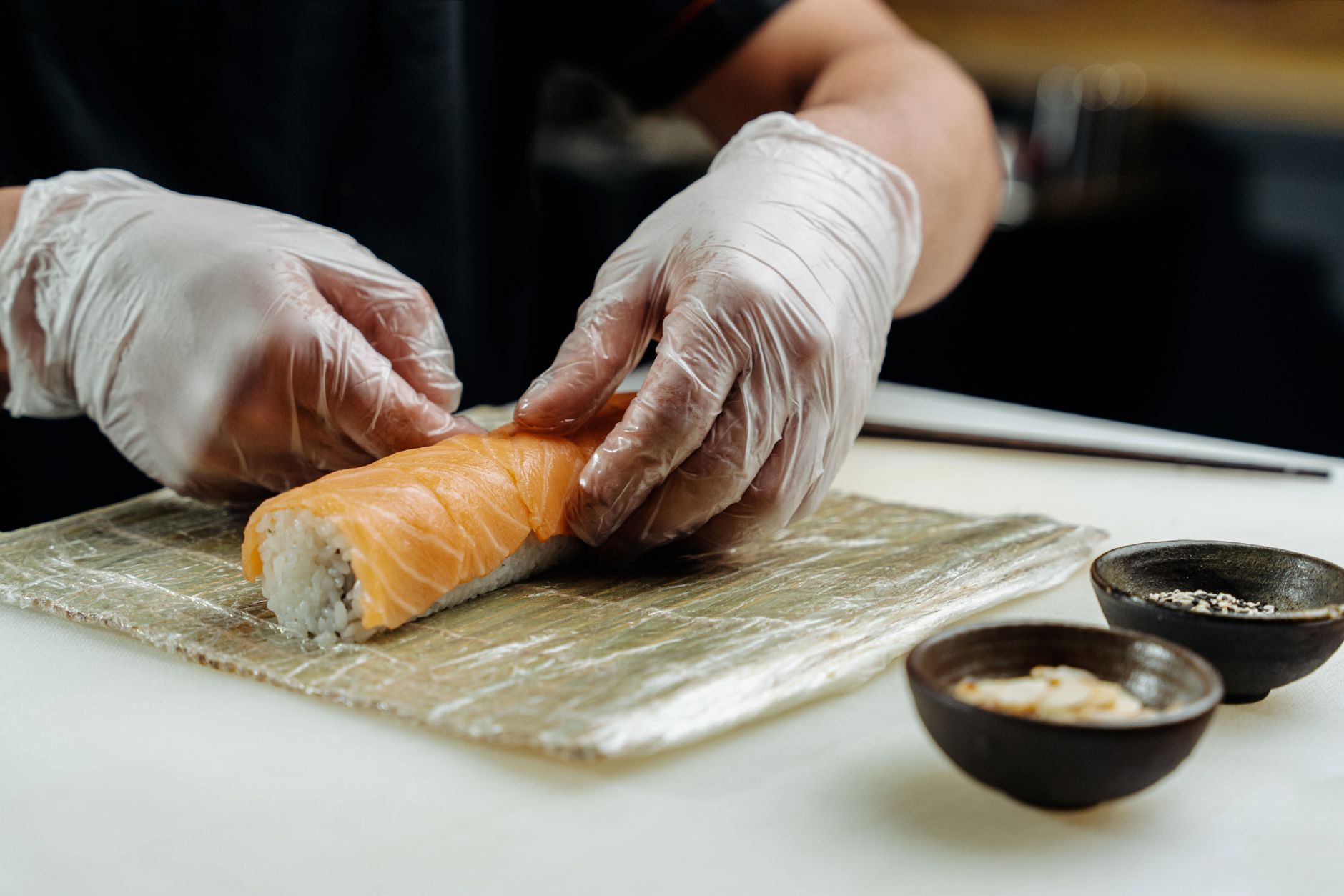
14 Oct 2026 · 8 min read
A corridor-by-corridor Pasadena food guide: Old Pasadena sushi and dim sum, Caltech-area Thai and boba, and Korean BBQ on Colorado Blvd.
Pasadena Neighborhood Guide Korean BBQ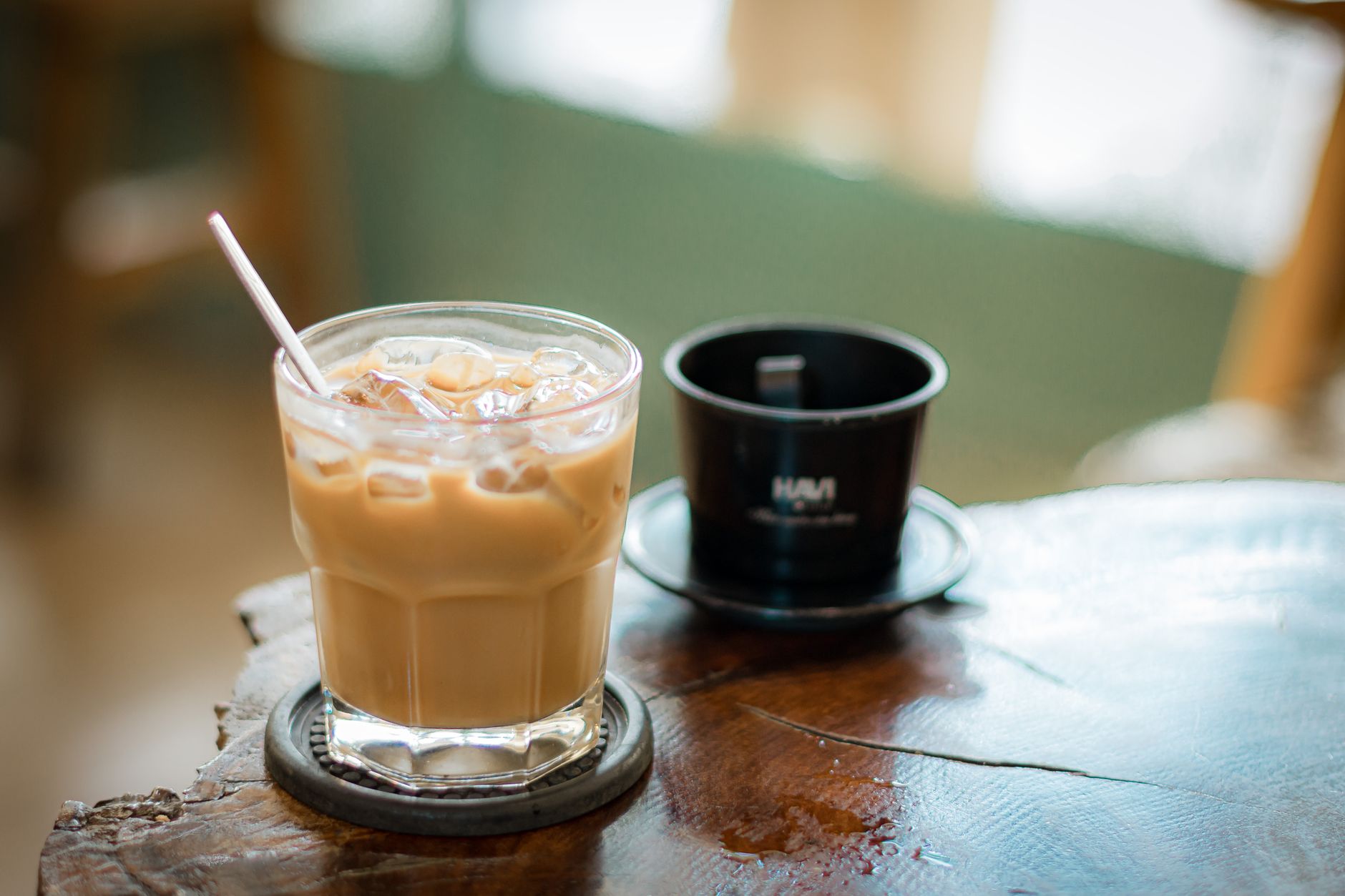
13 Oct 2026 · 8 min read
Thai iced tea, Vietnamese cà phê sữa đá, and Hong Kong milk tea look alike but differ in base, dairy, and tradition — a Bay Area guide.
Thai Tea Vietnamese Coffee Hong Kong Milk Tea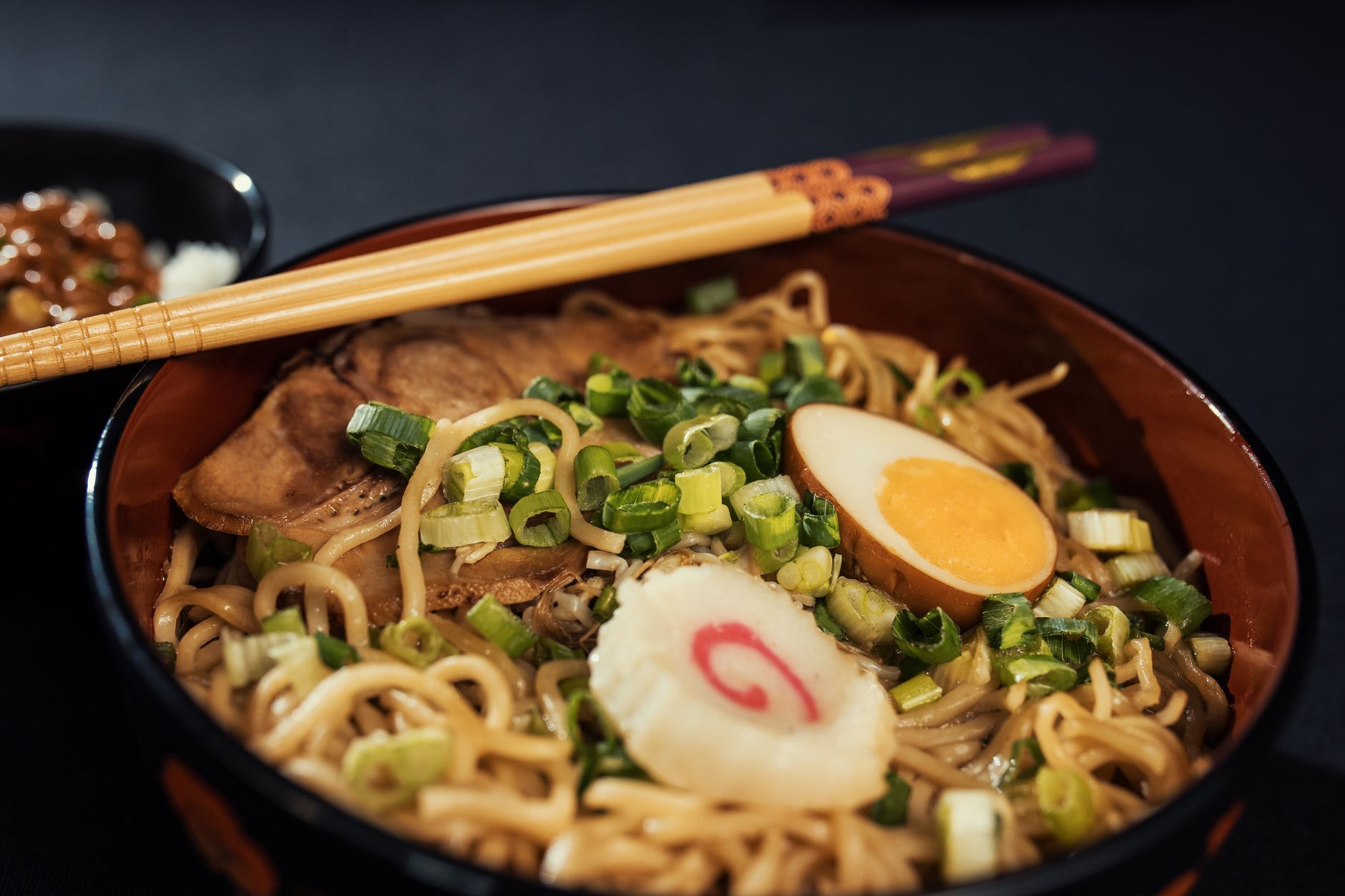
12 Oct 2026 · 8 min read
Berkeley doesn't have one Chinatown or one Koreatown. Its Asian food scene is strung along four parallel corridors instead — University Avenue, Shattuck Avenue…
Berkeley Bay Area Neighborhood Guide