

14 Oct 2026 · 8 min read
Eating Through Pasadena, California in 2026
A corridor-by-corridor Pasadena food guide: Old Pasadena sushi and dim sum, Caltech-area Thai and boba, and Korean BBQ on Colorado Blvd.
Pasadena Neighborhood Guide Korean BBQ25 September 2026 · 8 min read
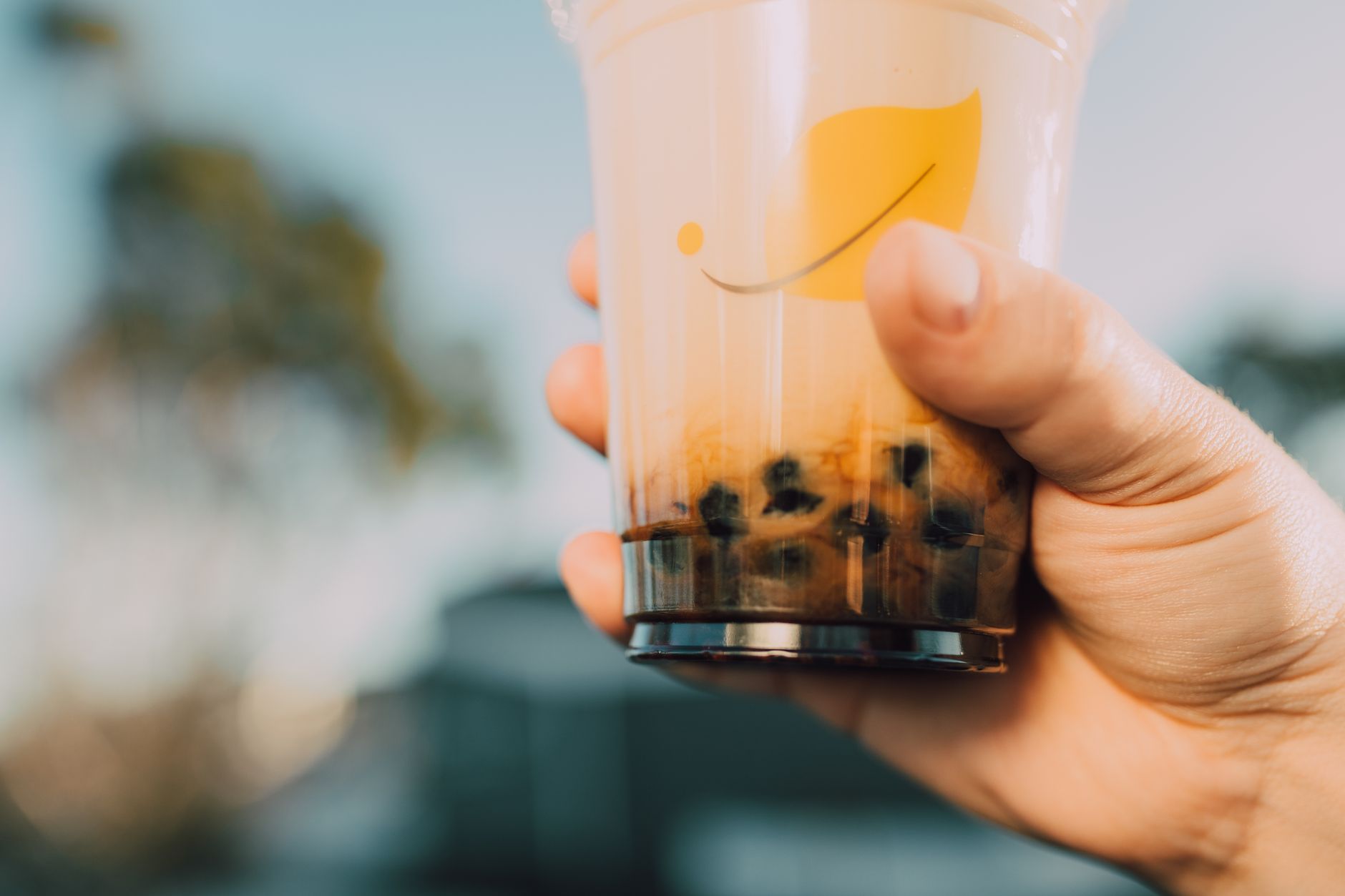
Walk into almost any strip mall in Irvine, California and you'll find at least one boba shop, often three or four within sight of each other. The menus can run to fifty items, organized by categories that mean nothing if you didn't grow up with them: "fresh milk," "fruit tea," "cheese foam," "brown sugar." Most first-timers just point at whatever the person in front of them ordered. That works, but it also means missing the actual logic of the menu — a system that's less about flavor gimmicks and more about three genuinely different drink families that happen to share a straw size.
This is a plain-English breakdown of what those categories mean, using Irvine's boba shops as the reference point, since the city has one of the densest concentrations of tea shops in Orange County and covers most of the major styles you'll run into anywhere in the U.S.
"Boba" technically refers to the tapioca pearls, not the drink. The drink category is properly called bubble tea, milk tea, or just "tea drinks" depending on the shop, but in everyday American English "boba" has become the catch-all word for the whole genre — the tea, the milk or fruit base, and whatever chewy or jelly topping goes in it. That slippage matters because it's why menus look confusing: a shop isn't offering one drink called "boba," it's offering a matrix of a base (milk or tea), a flavor, a sweetness level, an ice level, and a topping, and boba is just the most common topping choice.
Tapioca pearls themselves are cooked from tapioca starch, chewy and mildly sweet from a brown sugar or honey soak. They're the default topping but not the only one — most Irvine shops also offer popping boba (juice-filled bubbles that burst), grass jelly, aloe, pudding, or cheese foam as a topping rather than an add-in. Once you separate "the drink" from "the topping," the rest of the menu gets much easier to parse.
Milk tea is the original bubble tea format and still the default order at most shops: black, green, or oolong tea steeped strong, then mixed with milk (dairy, non-dairy, or a powdered creamer depending on the shop) and sweetener. It's the closest thing to a "control group" drink — mild, creamy, and a reasonable place to start if you've never had boba before.
Bubble Tea · Irvine, California
Shops built around this format tend to emphasize the tea itself over gimmicks — the sourcing of the leaves, how long it's steeped, whether it's brewed fresh throughout the day rather than batched in the morning. A shop with "tea" prominently in its name, rather than "dessert" or "studio," is usually signaling that the base tea is the point. Smaller, neighborhood boba shops also tend to run a shorter menu than the larger chains, with a handful of milk tea variations (classic, taro, Thai) rather than dozens of fruit and cheese-foam options. That's not a downgrade — it's a different kind of shop, closer to a coffee shop than a dessert bar.
Fruit tea is a distinct branch, not a milk tea with fruit syrup added. It's built on brewed tea (usually a lighter green or oolong base) combined with actual fruit — muddled, juiced, or layered as whole slices — and it's meant to taste bright and slightly tart rather than creamy. No dairy is involved at all in most fruit tea drinks, which makes them the closer relative to iced tea than to a milkshake.
Bubble Tea · Irvine, California
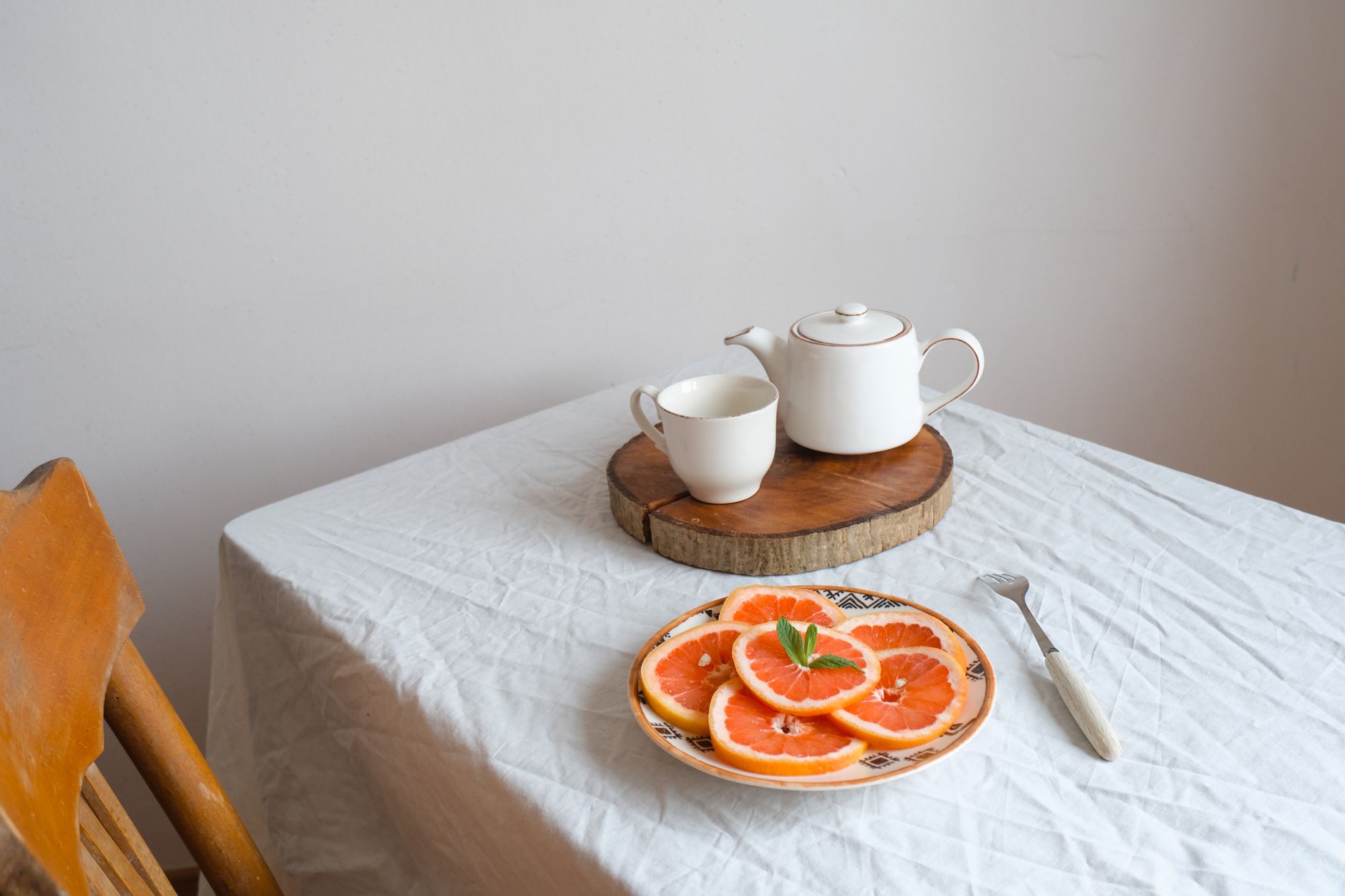
The fruit tea category is also where shops differentiate themselves most visibly, since the fruit itself becomes a selling point — whole strawberries, passionfruit seeds, or citrus wheels dropped into a tall glass rather than blended into an opaque drink. Shops that lean into this style often display the fruit prep at the counter, which is worth watching if you're deciding what to order.
Bubble Tea · Irvine, California
If you're avoiding dairy or just want something that reads as a drink rather than dessert, starting with the fruit tea section of the menu rather than the milk tea section will get you there faster than asking to substitute non-dairy milk into a milk tea recipe that wasn't built around it.
Cheese foam is the category that trips up newcomers the most, mostly because of the name. It is not actual cheese, and it is not sweet in the way frosting or whipped cream is. It's a whipped topping made from cream cheese, milk, and a pinch of salt, layered on top of an iced tea, and it's meant to be sipped through — the salted cream cuts the bitterness of the tea underneath it, similar to how a salted caramel cuts sweetness in the other direction.
Bubble Tea · Irvine, California
Shops that specialize in this style, several of which are mainland Chinese chains that expanded into U.S. markets over the last decade, usually put the cheese foam drinks at the top of their menu, since it's become their signature category rather than a side option.
Bubble Tea · Irvine, California
The practical tip: don't stir it in right away. Cheese foam is meant to be tasted as a layer first — salty-creamy on top, then the plain tea underneath — before the two mix together toward the bottom of the cup.
Part of why Irvine's boba scene looks the way it does is that it's a landing spot for chains from several different tea-culture regions, each of which built its menu around a different one of the categories above. None of this is a ranking — it's just useful context for why one shop's menu looks nothing like another's two doors down.
| Chain style | Known for | Typical menu emphasis |
|---|---|---|
| Taiwanese tea shops (TP Tea, Sunright Tea Studio) | Fresh-brewed milk and fruit tea | Tea quality, sweetness/ice customization |
| Mainland Chinese chains (HEYTEA and similar) | Cheese foam and fruit-forward drinks | Signature cheese-foam and seasonal fruit lines |
| Hong Kong–style tea cafes | Milk tea and dessert-tea hybrids | Shorter menus, café-style seating |
| Independent neighborhood shops | Classic milk tea, taro, Thai tea | Simpler menus, fast counter service |
Knowing which category a shop falls into before you walk in is a shortcut: if you want a straightforward milk tea, a neighborhood shop or Taiwanese-style chain is a safer bet than a cheese-foam specialist, and vice versa if you're chasing the salted-cream layer.
Once you know the three base categories, the rest of an Irvine boba menu breaks down into three more choices, all customizable on most orders:
None of these choices change the price dramatically at most shops, but they change the drink significantly, so it's worth specifying rather than accepting the default. If a shop's menu board doesn't list these as separate line items, ask — most staff are used to walking newcomers through the customization even when it's not printed out.
Boba shops in Irvine are rarely destinations on their own; they tend to cluster near restaurants and are usually a stop before or after a meal rather than the meal itself. Irvine's food scene beyond tea includes a strong ramen lineup and a growing number of hot pot restaurants, both of which make natural pairings with a post-meal tea order.
Ramen · Irvine, California
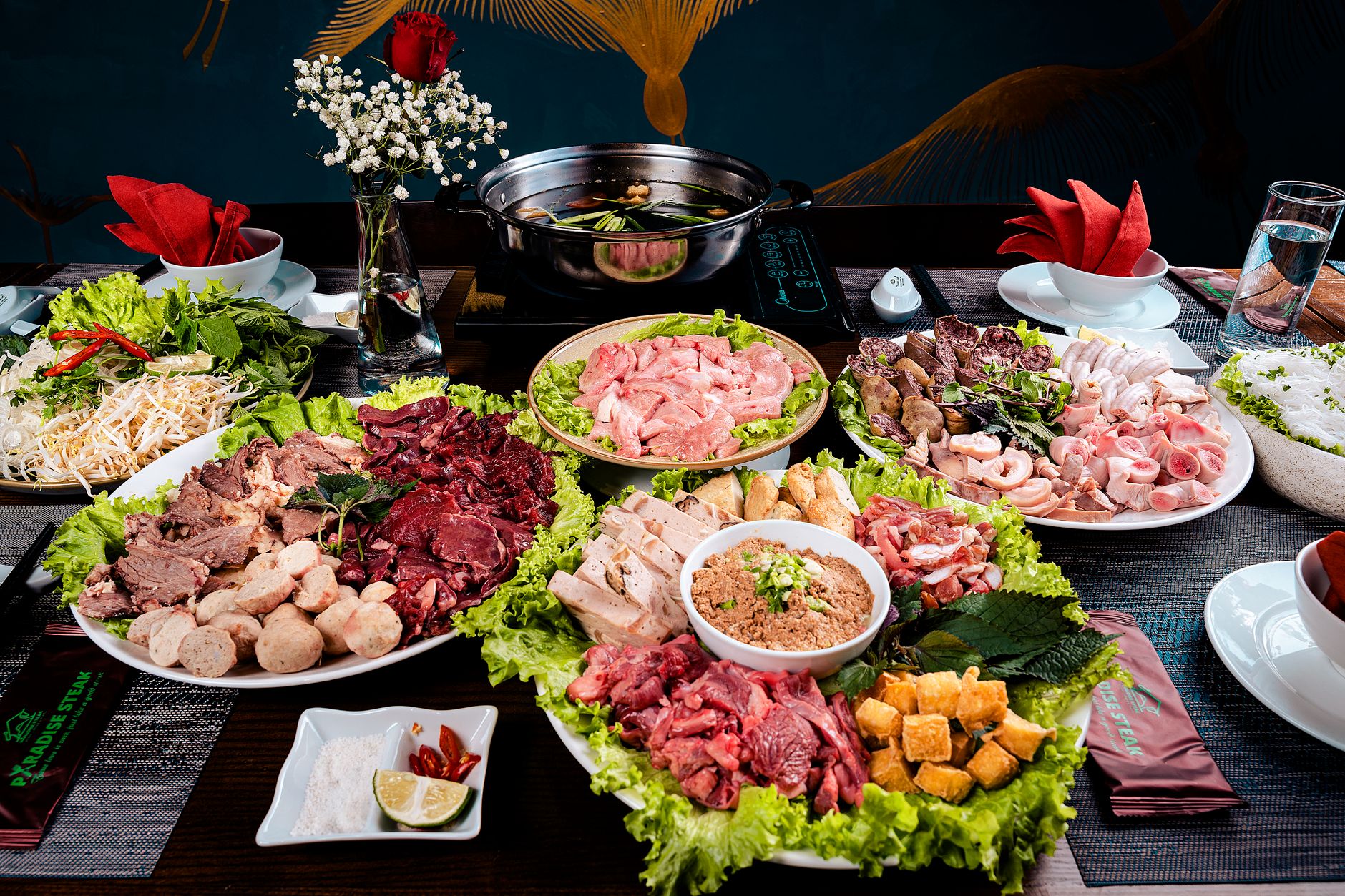
Hot Pot · Irvine, California
A milk tea works well after a ramen bowl, since the creaminess doesn't compete with the broth's saltiness. Fruit tea tends to pair better after hot pot, where the acidity helps reset the palate between the richness of the broth and any dipping sauces. Neither pairing is a hard rule, just a pattern worth trying if you're planning a two-stop meal.
If the goal is making boba at home rather than buying it, Irvine's Asian grocery stores carry most of what a shop uses: dried tapioca pearls, loose-leaf black and oolong tea, powdered non-dairy creamer, and increasingly, ready-made cheese foam powder for anyone trying to replicate that layer at home.
Asian Grocery Stores · Irvine, California
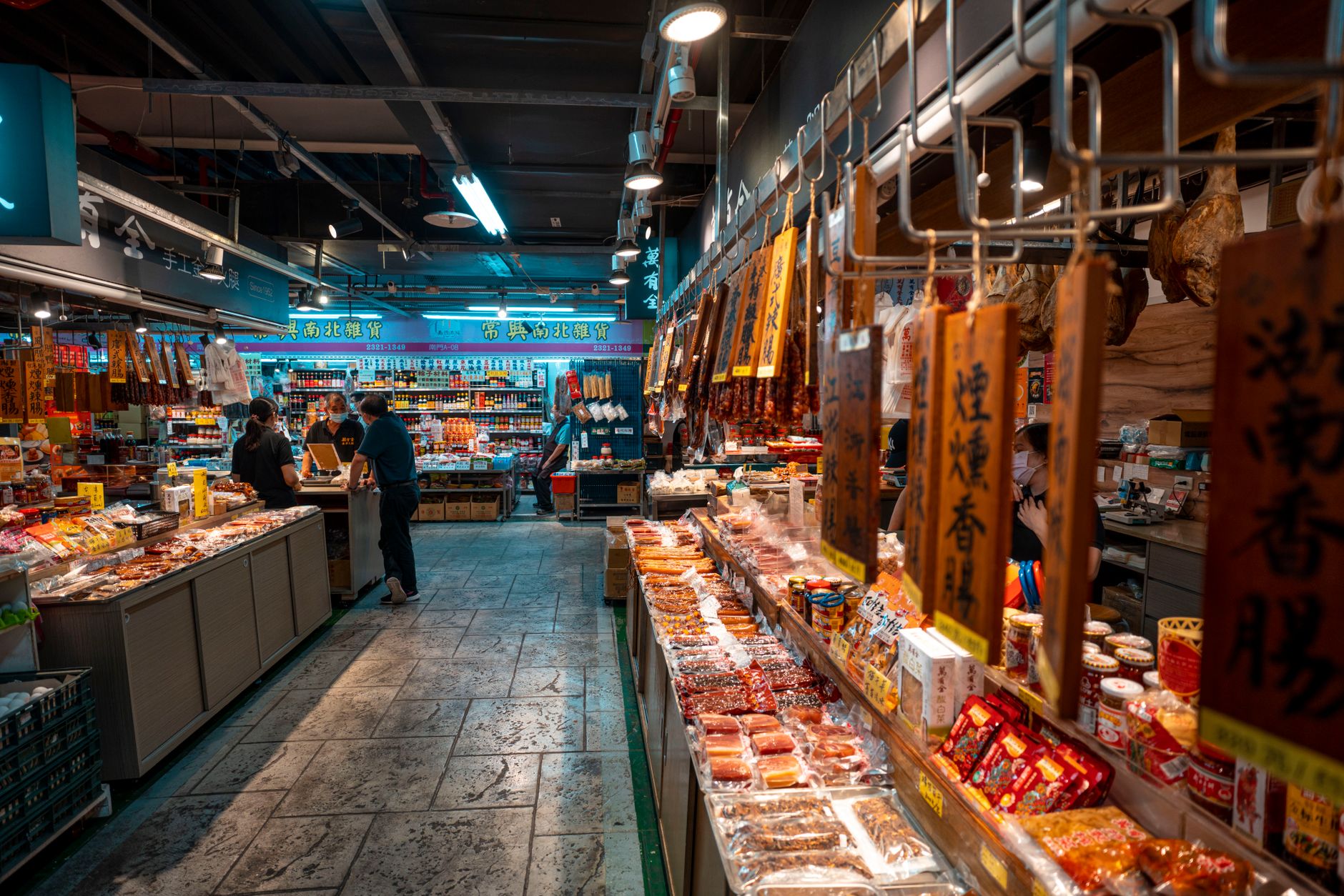
Home tapioca pearls take real effort to cook correctly — they need to be boiled, then rested, then kept warm in syrup, and they turn hard within a few hours if left out — which is part of why most people default to buying boba rather than making it, even with the ingredients easily available nearby.
The next time an Irvine boba menu feels overwhelming, skip the flavor names first and identify the category: milk tea (creamy, dairy-based), fruit tea (brewed tea plus real fruit, usually no dairy), or cheese foam (a salted cream layer on top of iced tea). Pick the category that matches what you're in the mood for, then worry about sweetness, ice, and topping. That one filter cuts a fifty-item menu down to a manageable handful in seconds, whether you're ordering from a Taiwanese-style shop, a mainland Chinese chain, or the independent place on the corner.
14 Oct 2026 · 8 min read
A corridor-by-corridor Pasadena food guide: Old Pasadena sushi and dim sum, Caltech-area Thai and boba, and Korean BBQ on Colorado Blvd.
Pasadena Neighborhood Guide Korean BBQ
13 Oct 2026 · 8 min read
Thai iced tea, Vietnamese cà phê sữa đá, and Hong Kong milk tea look alike but differ in base, dairy, and tradition — a Bay Area guide.
Thai Tea Vietnamese Coffee Hong Kong Milk Tea
12 Oct 2026 · 8 min read
Berkeley doesn't have one Chinatown or one Koreatown. Its Asian food scene is strung along four parallel corridors instead — University Avenue, Shattuck Avenue…
Berkeley Bay Area Neighborhood Guide